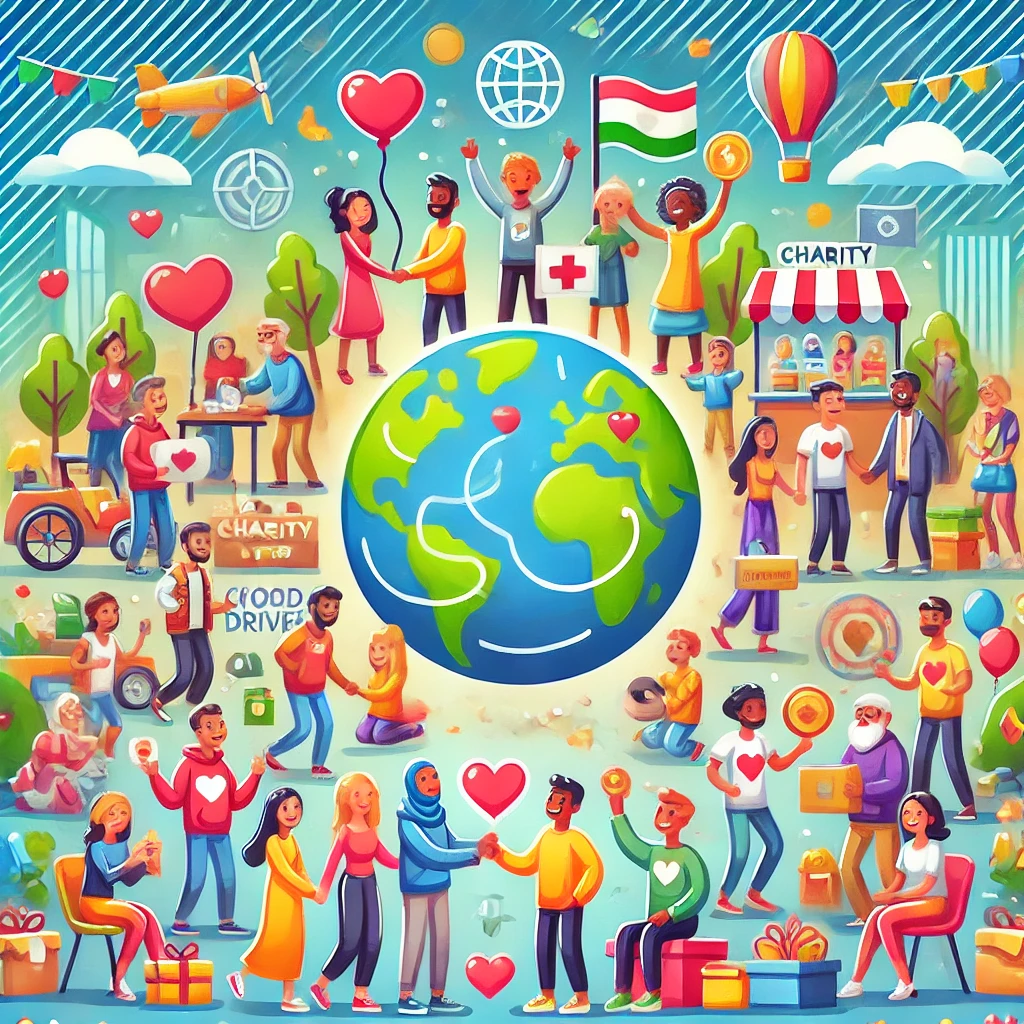
Charity events serve a pivotal role in addressing some of the world’s most pressing issues, including poverty, disease, and disaster relief. These events, whether in the form of galas, fundraisers, marathons, or online campaigns, can have a substantial impact. While these outcomes are well-discussed, what often flies under the radar is the role of language, particularly English, in orchestrating such events. As one of the most universally spoken languages, English plays a crucial role in facilitating communication, garnering global participation, and ensuring seamless operations during international charity events.
Introduction
The importance of English in international charity work cannot be underestimated. From developing strategies to liaising with diverse teams, the role of language in these activities extends far beyond mere communication; it often determines the success and efficacy of such initiatives. As the lingua franca of today’s globalized world, English transcends borders and fosters inclusivity, thereby bolstering the impact of charity events.
When planning international charity events, organizers must consider the diverse linguistic backgrounds of participants. English serves as a common thread that binds individuals from various nationalities, ensuring they can understand, contribute to, and benefit from the cause. Whether it is promotional materials, speeches, volunteer coordination, or resource allocation, English serves as the foundational means of communication.
In this article, we explore the manifold ways in which English functions as the backbone of international charity events. We will discuss its role in fostering global participation, enhancing communication among teams, promoting inclusivity, and streamlining operations. Furthermore, we will delve into how English as a tool can bridge cultural gaps, thereby creating a more cohesive and effective charity event.
Enhancing Global Participation
One of the most compelling advantages of using English in international charity events is its ability to enhance global participation. In many countries, English is either a first or second language, making it an accessible medium for a wide audience. This widespread understanding allows charity events to reach a broader demographic, attracting participants, donors, and volunteers from every corner of the globe.
Global participation is crucial for the success of any charity event. It increases the pool of resources, diversifies the set of ideas, and maximizes impact. English facilitates this global reach by serving as a common language that everyone, irrespective of their native tongue, can understand and communicate in. This is particularly important in multilingual settings, where the presence of numerous local languages could otherwise pose significant communication barriers.
Furthermore, promotional campaigns conducted in English have a higher chance of going viral on social media, attracting international attention. This expanded reach can translate into higher donation rates, greater volunteer involvement, and stronger media coverage, all of which are vital components for the success of charity events.
Fostering Effective Communication Among Teams
International charity events often involve a complex web of volunteers, sponsors, and organizers, many of whom hail from different backgrounds. Effective communication among these teams is paramount, and English often serves as the bridging language.
Coordinating efforts for a charity event can be a Herculean task where miscommunication can lead to logistical nightmares. English serves as a common ground for discussions, instructions, and feedback among team members. Whether communicating through emails, meetings, or conference calls, the use of a single language streamlines interactions and minimizes misunderstandings.
Moreover, many software tools and platforms used for project management, volunteer coordination, and donations tracking are primarily available in English. Familiarity with English eases the learning curve for these tools, allowing teams to be more efficient and focused on the primary objectives of the event.
In high-stress situations, such as during the setup of an event or in response to a crisis, the ability to communicate clearly and quickly in English can make a significant difference. Clear communication ensures that everyone is on the same page, tasks are executed efficiently, and the event proceeds as planned.
Promoting Inclusivity
The heartfelt essence of charity is inclusivity—a mission to bring people together for a common cause. In a multicultural setting, promoting inclusivity also means fostering a language that everyone understands, and English often serves this purpose. Using English ensures that no participant feels alienated due to language barriers, thereby encouraging more people to get involved.
Inclusivity is not limited to just verbal communication. Written materials such as flyers, newsletters, and websites need to be accessible to a global audience. Translating all these materials into multiple languages can be resource-intensive. However, given the widespread understanding of English, drafting content in this language ensures a majority of the audience can understand and engage fully.
Additionally, the use of English can make virtual charity events more inclusive. With platforms like webinars, Zoom calls, and social media campaigns, the common use of English allows people from different parts of the world to participate interactively. Whether through Q&A sessions, group discussions, or live chats, English enables everyone to voice their opinions and contribute meaningfully.
In essence, English elevates the spirit of inclusivity by breaking down linguistic barriers and extending the reach and impact of charity events far beyond geographical or cultural constraints.
Streamlining Operations
The logistics of organizing and executing a charity event are intricate and multifaceted. From the initial planning phases to the final execution, numerous steps require careful coordination. English plays a critical role in streamlining these operations.
First and foremost, English is often the default language for documentation. Contracts, agreements, project plans, and reports are frequently drafted in English, especially for international charity events. This ensures clarity and uniformity, as all stakeholders can refer to the same set of documents without the risk of misinterpretation due to translation issues.
Financial aspects also benefit from the use of English. Donations, budgets, and expenditures need to be meticulously tracked and reported. Using a single language to manage these financial details simplifies bookkeeping and auditing processes. It also allows for seamless interaction with international financial institutions and regulatory bodies, which often operate in English.
Event logistics, such as coordinating transportation, accommodation, and catering, are also streamlined through the use of English. Instructions and confirmations can be relayed efficiently when a common language is employed. This reduces the risk of logistical errors that could disrupt the event.
Moreover, technology plays a crucial role in modern charity events, from online donation platforms to event management software. Most of these technologies are designed with English as the primary language. Familiarity with English enables organizers and participants to effectively navigate these tools, thus ensuring smooth operations.
Bridging Cultural Gaps
International charity events bring together people from diverse cultures. These events offer an opportunity to learn from each other, share experiences, and build a sense of global community. English serves as a bridge that connects these cultural gaps, promoting mutual understanding and cooperation.
One of the most challenging aspects of working in a multicultural setting is the potential for misunderstandings due to cultural differences. Using English as a common language can mitigate these misunderstandings. While it may not eliminate all cultural barriers, it provides a common ground for dialogue and exchange of ideas.
Language influences how people perceive the world and interact with each other. By using English, a widely spoken and understood language, charity events can create a more cohesive environment. This fosters an atmosphere of respect and collaboration, essential for the success of any international initiative.
Moreover, sharing success stories, challenges, and experiences in English allows for a broader dissemination of knowledge. This shared knowledge can inspire and motivate others to participate in future charity events, thus amplifying the impact of these initiatives.
In essence, English acts as a cultural bridge, enabling people from different backgrounds to come together and work towards a common goal. It promotes a sense of unity and solidarity, which is at the heart of any charitable endeavor.
Conclusion
The role of English in international charity events is multifaceted and indispensable. Its ability to enhance global participation, foster effective communication among teams, promote inclusivity, streamline operations, and bridge cultural gaps makes it a vital tool for the success of these events.
As the world becomes increasingly interconnected, the importance of a common language cannot be overstated. English, with its widespread acceptance and understanding, serves this purpose effectively. It enables charity events to transcend geographical and cultural boundaries, thus maximizing their reach and impact.
For organizers, volunteers, and participants, the use of English facilitates a smoother, more efficient, and more inclusive charity event. It ensures that everyone, regardless of their linguistic background, can contribute meaningfully to the cause. This inclusivity is at the heart of what charity stands for—bringing people together to make a positive difference in the world.
In conclusion, the role of English in international charity events is not just about communication; it is about creating a unified, collaborative, and effective environment that can address some of the world’s most pressing issues. As we continue to strive for a better world, the importance of a common language like English will only continue to grow.