

Fashion is an ever-evolving universe portraying culture, personality, and creativity. Mastering its vocabulary is vital for anyone keen on deeply understanding contemporary culture or pursuing a career in fashion. English, often considered the global language, plays a crucial role in the dissemination of fashion trends worldwide. Whether you are a passionate fashion aficionado or just someone curious about the fashion world, having a grasp on the vibrant vocabulary of fashion trends is essential.
Fashion vocabulary isn’t just about clothing; it encompasses various aspects of one’s appearance, including accessories, hairstyles, colors, and even attitudes. When discussing or describing a fashion trend, the precise choice of words can effectively capture a look or influence a style choice. For ESL learners, the multifaceted world of fashion offers a unique and enjoyable opportunity to expand vocabulary and comprehension skills in context.
This exploration introduces you to essential vocabulary surrounding contemporary fashion trends. You’ll encounter words related to particular styles, garments, and aesthetics that shape the way we dress today. As we delve into these terminologies, you’ll not only uncover the meanings behind them but also their significance in day-to-day dialogues and global fashion narratives.
From haute couture runways to casual street style, fashion vocabulary transcends mere descriptions, often embodying the spirit or zeitgeist of an era. Let’s embark on this journey through the fascinating realm of fashion vocabulary, where language and style meet seamlessly.
The Language of Fashion Styles
Fashion styles are ever-changing, each with its distinct narrative and vocabulary that reflects its essence. At the forefront, we often encounter terms like “minimalist,” “bohemian,” “vintage,” and “athleisure.” Understanding these categories is crucial as they dictate not only the clothing choices but also the attitudes and lifestyle they intend to express.
Minimalist: This style is characterized by simplicity and a sense of clean, uncluttered aesthetics. Vocabulary surrounding minimalism often incorporates words such as “sleek,” “simple,” “neutral,” and “streamlined.” These terms evoke a visual of clear lines and understatement in fashion choices.
Bohemian: Often shortened to “boho,” this style draws inspiration from the free-spirited, artistic lifestyle. Vocabulary associated with bohemian styles includes “eclectic,” “flowy,” “earthy,” and “craftsmanship.” Items described as bohemian often showcase vibrant patterns and a mix of textures that echo a nomadic or hippie influence.
Vintage: Embracing the charm of past decades, vintage style frequently intersects with nostalgia. Terms such as “retro,” “classic,” “timeless,” and “thrifted” often accompany discussions of vintage fashion. These words emphasize certain looks reminiscent of specific historical periods, from the roaring twenties to the radical seventies.
Athleisure: A relatively new addition to the fashion lexicon, athleisure describes clothing designed to be worn both for exercising and general everyday wear. Vocabulary here includes “functional,” “casual,” “versatile,” and even “tech-infused,” highlighting clothes that boast comfort and modernity.
A Closer Look at Fabric and Texture
The touch and feel of fabric can profoundly alter the perception of any garment. In fashion vocabulary, fabrics and their textures play a significant role, transforming a simple piece into something uniquely expressive. Knowing terms related to fabric can help one accurately describe and appreciate different garments.
Cotton: As one of the most popular fabrics, cotton is valued for its breathability and comfort. Vocabulary such as “soft,” “lightweight,” “absorbent,” and “durable” commonly associate with cotton, making it a staple in casual wear.
Silk: Renowned for its luxurious feel, silk carries an air of elegance and sophistication. Descriptive terms often include “smooth,” “lustrous,” “delicate,” and “opulent,” alluding to its high-end status in fashion.
Denim: A strong and durable fabric celebrated for casual and workwear, denim is synonymous with words like “rugged,” “durable,” “versatile,” and “iconic.” Denim jeans, jackets, and skirts dominate the fashion scene with their timeless appeal.
Leather: Used in clothing, accessories, and footwear, leather adds an edge to fashion with terms like “robust,” “sleek,” “crafted,” and “polished.” Leather’s textural diversity offers a versatile vocabulary, from “grained” to “suede” and “embossed.”
Grasping fabric-related vocabulary enriches one’s understanding of style choices and their tactile qualities, crafting a comprehensive appreciation of fashion materials and their impact.
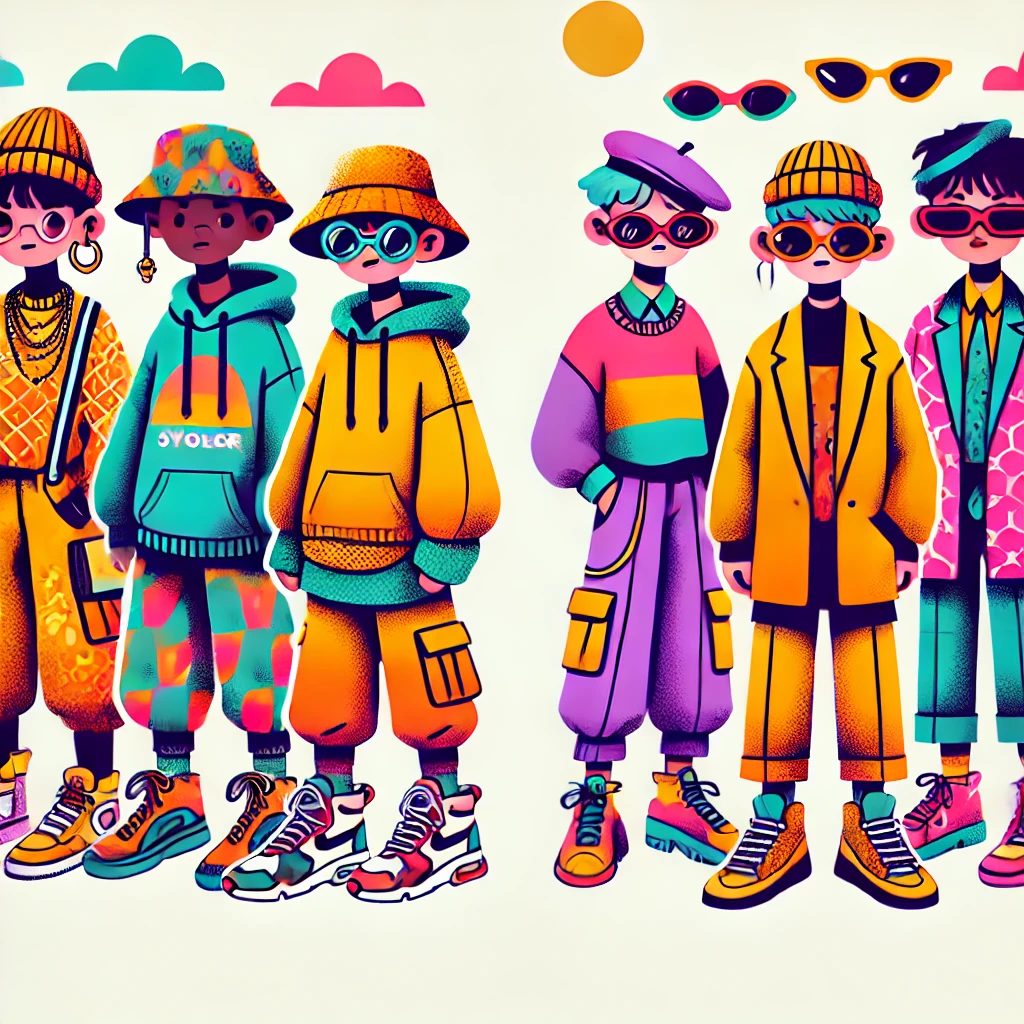
The Power of Patterns and Prints
Patterns and prints breathe life into fabrics, transforming ordinary materials into vivid stories. They add personality and are essential for expressing mood or allegiance to a certain style. Understanding this aspect of fashion vocabulary helps in accurately discerning the nuances of various garments.
Floral: Often symbolic of femininity and renewal, floral prints are versatile, ranging from delicate pastel patterns to bold, abstract blooms. Vocabulary like “vibrant,” “delicate,” “whimsical,” or “tapestry” can accompany descriptions of floral designs.
Stripes: A classic choice, stripes can vary from preppy pinstripes to bold sailor lines. Words such as “linear,” “uniform,” “nautical,” or “graphic” evoke a range of visual perceptions that stripes can offer.
Polka Dot: These playful dots speak volumes, often reminiscent of vintage eras. Adjectives related to polka dots include “playful,” “retro,” “whimsical,” or “charming,” perfect for adding a cheeky accent to any outfit.
Animal Print: Trends often return to wild themes inspired by the animal kingdom. Vocabulary such as “exotic,” “fierce,” “bold,” or “safari” describe garments featuring prints like leopard, zebra, or snake, adding an adventurous edge to style.
Patterns and prints enrich fashion with visual storytelling, offering ESL learners an expanded vocabulary that considers both visual compositions and their cultural significance in global fashion.
Exploring Accessory Vocabulary
Accessories are the punctuation marks of fashion sentences—altering and enhancing the overall ensemble. The vocabulary associated with fashion accessories extends to items like shoes, jewelry, bags, and hats, all playing pivotal roles in expressing individuality.
Footwear: The world of footwear barns an expansive vocabulary ranging from “stilettos” and “espadrilles” to “sneakers” and “loafers.” Each type of shoe carries its connotations, such as “elegant,” “casual,” “sporty,” or “formal,” indicative of their functionality and style.
Jewelry: Jewelry offers both subtlety and grandeur to fashion statements, with vocabulary capturing types like “chandelier earrings,” “studs,” “cuffs,” or “clasps.” Words such as “ornate,” “delicate,” “statement,” and “minimal” describe the essence of jewelry pieces.
Bags: The practicality of a bag melds with fashion when addressing types like “totes,” “clutches,” “backpacks,” and “messenger bags.” Terms such as “spacious,” “compact,” “vintage,” or “sleek” further define a bag’s function and style vision.
Hats and Headgear: Hats encompass a realm of vocabulary from “fedoras” and “berets” to “beanies” and “caps.” Descriptors such as “classic,” “trendy,” “boho,” and “functional” introduce their aesthetic appeal and seasonal relevance.
Through mastering accessory vocabulary, one not only enhances understanding and usage of English but also learns to appreciate the power of accessories in personal style narrative.
Understanding Fashion Narratives
Fashion is not just an array of fabrics, colors, and styles; it is a potent medium of narrative and means of expression. Recognizing the language that shapes fashion stories can deepen one’s appreciation and engagement within this artistic realm.
Trendsetter: Individuals heralded as “trendsetters” possess the ability to influence fashion currents. Vocabulary such as “innovative,” “influential,” “visionary,” and “pioneering” often depict these icons of style.
Eco-friendly/ Sustainable Fashion: As attitudes shift towards sustainability, the vocabulary reflects this ethos with words like “conscious,” “ethical,” “sustainable,” and “recycled.” These terms emphasize innovations oriented toward reducing environmental impact.
Fast Fashion: The rapid production and turnaround of styles to meet consumer demand have coined the term “fast fashion,” with accompanying vocabulary like “mass-produced,” “affordable,” but also “disposable” and “excessive,” illustrating its pros and cons.
Understanding these narratives enhances one’s grasp of fashion’s broader conversation around culture, sustainability, and commerce, ushering ESL learners into informed and empowered engagement with fashion topics.
Conclusion: Mastering Fashion Vocabulary
Embracing the expanding vocabulary of fashion not only boosts one’s linguistic capabilities in English but enriches one’s cultural literacy and expressive freedom. The world of fashion invites an interplay of language and creativity, offering timeless elegance through words that capture trends, emotions, and stories.
By understanding fashion vocabulary, ESL learners gain insights into cultural dialogues and trends that define everyday life. This vocabulary forms a bridge to deeper conversations around personal identity, creativity, and global cultural exchanges that permeate the fashion industry.
Every word learned adds a new facet to one’s ability to navigate and articulate the complex, yet thrilling fashion universe. The knowledge extends beyond textiles and silhouettes, inviting a holistic appreciation of a dynamic landscape inherent to human expression.
Whether indulging in minimalism’s serenity or adopting athleisure’s comfort, fashion vocabulary offers a perspective that enriches any ESL learner’s journey through the English language and global trends. By mastering this vibrant lexicon, one emerges not only as linguistically skilled but keenly attuned to the subtleties of modern culture.





