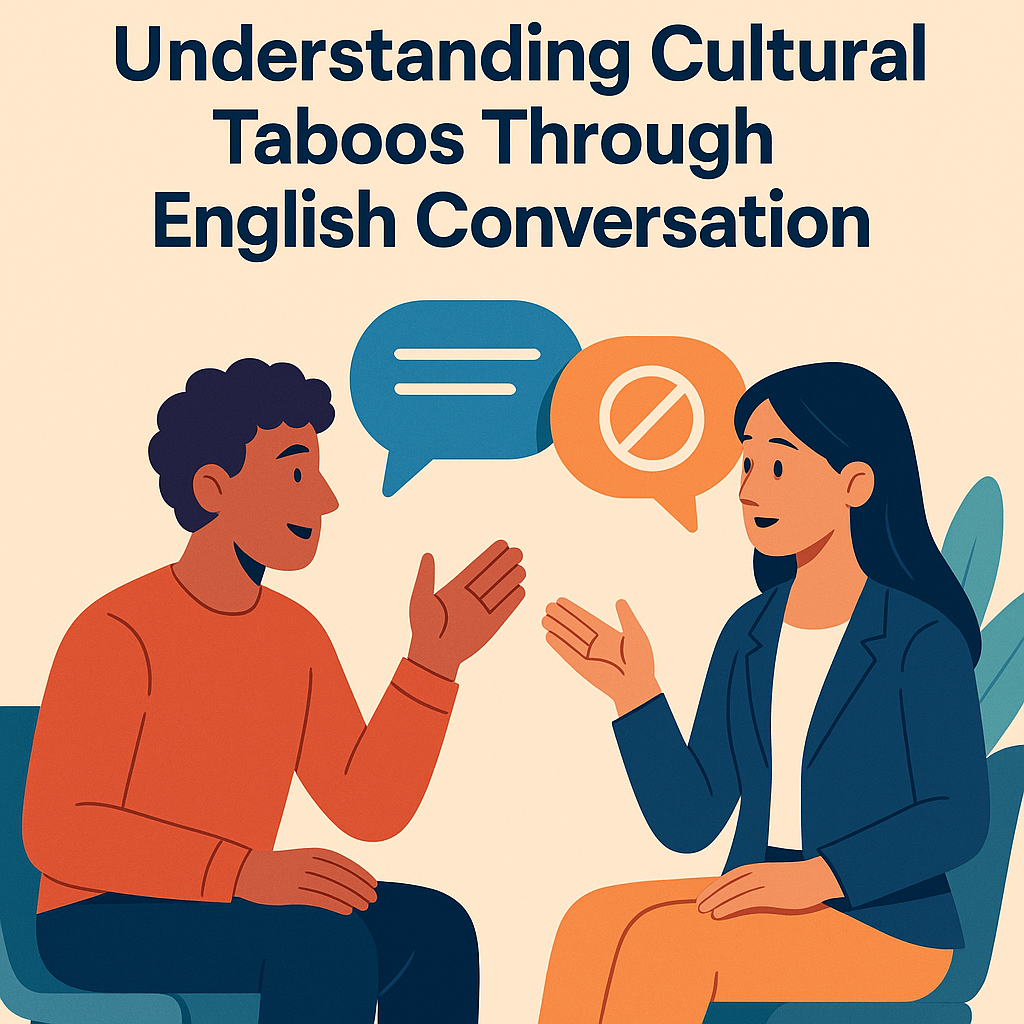
In our increasingly interconnected world, understanding cultural taboos is essential for effective communication, particularly in English conversations. Cultural taboos are social prohibitions that dictate what is considered unacceptable or inappropriate behavior within a specific cultural context. While they can vary widely between different societies, they hold significant importance as they guide social interactions and maintain communal harmony. Understanding these taboos can prevent misunderstandings and foster mutual respect, ultimately ensuring smoother and more meaningful interactions.
In English-speaking contexts, demystifying cultural taboos becomes especially critical given the language’s status as a global lingua franca. Whether in personal relationships, business dealings, or casual exchanges, recognizing and respecting these unspoken rules can enhance communication efficacy. The inability to navigate these complex social codes often leads to awkward situations or even unintended offense, which is why taking the time to understand and respect taboos is a crucial step in becoming more culturally aware.
In this article, we will delve deeper into the understanding of cultural taboos through the lens of English conversation. We will explore different facets of cultural taboos, illustrating them with real-world examples. The goal is to equip readers with the knowledge needed to navigate these nuanced social norms skillfully, thus fostering more effective and respectful cross-cultural dialogue.
Communication Styles and Determining Cultural Sensitivity
Understanding communication styles is fundamental when discussing cultural taboos. In English-speaking countries, communication might be perceived as direct and explicit. However, this varies significantly when considering diverse cultural backgrounds. For example, in countries like Japan, communication tends to be indirect and more reliant on context, which impacts sensitivity towards taboo topics.
Consider a situation where an English speaker interacts with a Japanese counterpart. The English speaker might inquire directly about a topic considered taboo in Japanese culture, such as asking about personal income. While this might not be taboo in a more direct communication style, in this case, it could lead to discomfort. This example highlights the significance of cultural sensitivity and adaptation of communication style to respect taboos and maintain rapport.
Religious and Moral Taboos in English Conversations
Religious and moral taboos are particularly sensitive areas in English conversation. These taboos often revolve around topics that touch personal beliefs and practices. Discussing such taboos requires sensitivity to avoid causing offense. An example of this is the topic of dietary restrictions present in religions such as Islam and Judaism. Discussing food or offering a meal that violates these religious practices can be uncomfortable or even offensive.
When engaging in English conversations with individuals from different religious backgrounds, respect for these taboos is essential. Acknowledgment and accommodation can facilitate deeper connections. Real-world scenarios, such as business dinners, might require awareness of these dietary laws to ensure a respectful and inclusive experience. Awareness and respect for such religious taboos foster a more welcoming environment for dialogue.
Social Taboos and Their Impact on Relationships
Social taboos can significantly influence interpersonal relationships within English-speaking contexts. These taboos cover a broad spectrum of topics, including politics, age, and personal relationships. For instance, discussing one’s salary or inquiring about someone’s age is often viewed as taboo in many English-speaking societies, including the United States and the United Kingdom.
The impact of these social taboos is evident in everyday interactions. For example, during a business meeting, discussing salaries is usually avoided to prevent creating discomfort or competition among colleagues. Recognizing these social codes helps maintain professionalism and mutual respect, key components in building successful business relationships.
Understanding the nuances of social taboos can also enhance personal connections. Respecting unwritten social codes helps navigate interactions smoothly, allowing for more authentic exchanges and a greater sense of trust.
Verbal and Non-Verbal Taboos in Cross-Cultural Dialogues
Verbal and non-verbal communication both play critical roles in cross-cultural dialogues. While words carry explicit meaning, non-verbal cues such as gestures or facial expressions can convey more nuanced messages. Learning about verbal and non-verbal taboos is crucial to mastering English conversation. For instance, in many Asian countries, pointing with one’s finger is considered rude and disrespectful, while in Western cultures, it might be seen as harmless.
In terms of verbal taboos, some expressions used in casual English conversations might have different connotations in other cultures. For example, the casual use of the phrase “What’s up?” could be confusing or seemingly intrusive in cultures where formal greetings are the norm. Such misunderstandings can be mitigated by understanding these nuances in verbal and non-verbal communication styles.
| Communication Aspect | Western Cultures | Eastern Cultures |
|---|---|---|
| Directness | Direct Communication | Indirect Communication |
| Gestures | Acceptable | Possible Taboo |
| Personal Questions | Occasionally Tolerated | Considered Invasive |
In cross-cultural dialogues, understanding these verbal and non-verbal taboos extends beyond language learning into the realm of cultural education, leading to more effective and respectful communications.
Cultural Taboos in Business Context
The business environment often presents unique challenges when it comes to cultural taboos. Misunderstandings stemming from them can have significant professional repercussions. For instance, in settings like international negotiations or partnerships, awareness of cultural taboos can influence outcomes positively or negatively.
Consider a board meeting scenario where a British business professional engages with colleagues from India. The conversation might steer towards the topic of competitive strategies. In the UK, a direct approach might be employed to discuss plans openly. However, in India, where hierarchy and respect towards seniority are crucial, this directness might not be well-received. Being aware of such cultural differences guides better communication strategies.
To ensure successful cross-cultural business interactions, understanding and navigating taboos is essential. This includes respecting cultural preferences and avoiding potentially sensitive topics to maintain professionalism and effective collaboration.
Summary and Call to Action
Understanding cultural taboos through English conversation is crucial in today’s globalized society. It helps to foster mutual respect, enhances communication efficacy, and prevents unintended offence in diverse cultural interactions. We explored various facets of cultural taboos—including communication styles, religious sensitivities, social and non-verbal taboos, and business contexts—to illustrate their importance and provide practical, real-world examples.
The key takeaway for readers is the importance of cultural sensitivity and adaptability in English conversations. By recognizing and respecting taboos, you can build more meaningful, harmonious, and respectful interactions both personally and professionally.
As a next step, apply this understanding in your daily interactions, whether in international business settings or personal relationships. Take the time to research the cultural taboos of the people you interact with. This not only enriches your experiences but also demonstrates profound respect for the diverse fabric of global societies. With continued learning and cultural engagement, we can all contribute to more cohesive and understanding global communities.
Frequently Asked Questions
1. What are cultural taboos, and why are they important in English conversations?
Cultural taboos are social prohibitions, rules, or conventions that define what is considered unacceptable behavior in a given society. They are essential in shaping social interactions as they help maintain order and harmony within a community. Understanding these taboos becomes crucial, especially in English conversations, as English is a global language used in diverse cultural settings. Recognizing cultural taboos fosters respect and sensitivity in communication, preventing misunderstandings and offense that can arise from cultural differences. Embracing this knowledge not only enhances interpersonal relationships but also promotes cross-cultural understanding and cooperation.
2. How can understanding cultural taboos improve my English communication skills?
Grasping cultural taboos can significantly enhance your English communication skills by making you more aware of the nuances and subtleties involved in conversations. Being cognizant of these taboos helps you choose words and expressions that are culturally appropriate, ensuring that your message is conveyed respectfully and effectively. This understanding aids in avoiding language and behavior that might be deemed offensive or insensitive, thus promoting a more meaningful dialogue. Additionally, demonstrating cultural awareness showcases your respect for others’ traditions and viewpoints, making you a more effective communicator and enriching your interactions in professional and social contexts.
3. Can you provide examples of common cultural taboos that people might encounter in English conversations?
Cultural taboos can vary greatly across different societies, and even within English-speaking countries, there are numerous taboos to be mindful of. For instance, in Western cultures, it is often considered impolite to discuss personal income, especially in social gatherings or with new acquaintances. In many Asian cultures, showing the soles of your feet can be disrespectful, so during a conversation that involves a relaxed setting, it’s crucial to be mindful of your posture. Furthermore, topics such as religion, politics, and gender roles can be sensitive and should be approached with care. In professional settings, being too informal or familiar too quickly might be seen as unprofessional or disrespectful. Understanding regional nuances and respecting local customs can help navigate these complex social landscapes more effectively.
4. How can I become more aware of cultural taboos in diverse English-speaking settings?
Becoming more aware of cultural taboos requires a proactive approach and a keen willingness to learn from various sources. Start by interacting with a diverse range of people and actively listening to their experiences and cultural norms. Reading books, articles, and watching documentaries on cultural differences can provide valuable insights. Attending cultural events and participating in language exchange programs can also enhance your understanding. Engaging in open discussions on cultural topics can broaden your perspective and deepen your appreciation of different customs and taboos. Remember, the key to navigating cultural taboos is to stay informed, open-minded, and respectful in all your interactions.
5. What steps can I take to avoid offending someone by unknowingly violating cultural taboos in conversation?
To avoid offending others unintentionally, it’s important to approach conversations with cultural sensitivity and humility. Start by researching and understanding common taboos and customs relevant to the people you are communicating with. When in doubt, asking polite and respectful questions demonstrates your willingness to learn and honor their values. Watching the body language and cues of your conversation partner can also offer insights into whether a topic is comfortable for them. Expressing empathy, genuine curiosity, and being willing to apologize and adapt if you do make a mistake can go a long way in building respectful relationships across cultures.