
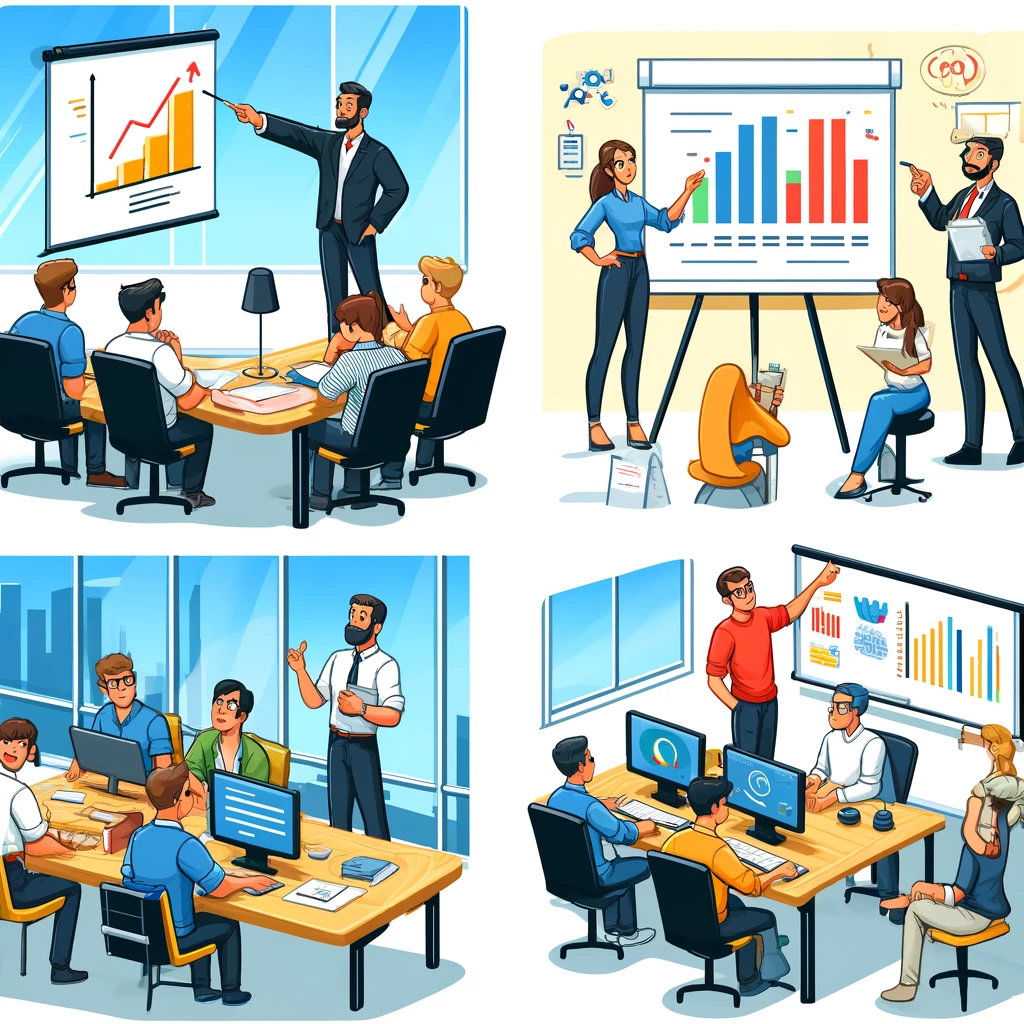
English proficiency is an essential skill in the global business environment. Whether you are a native speaker or someone learning English as a second language (ESL), mastering this language can significantly impact career growth and workplace efficiency. The ability to use English effectively in workplace training is crucial for clear communication and understanding, ensuring that employees can fully engage with the training material and apply what they have learned on the job.
Effective workplace training goes hand in hand with language proficiency, especially in multinational companies where employees from diverse linguistic backgrounds come together. Various training scenarios, from technical skill acquisition to compliance and safety training, depend heavily on clear and concise communication in English. Therefore, it’s vital for both trainers and trainees to employ best practices that enhance the learning experience while overcoming any language barriers.
In this article, we’ll delve into the best practices for using English in workplace training, providing actionable insights for both trainers and trainees. Whether you’re designing a training program or participating in one, understanding these strategies will help you make the most out of your learning experiences. We’ll explore different approaches to make training more effective, including the use of simple language, visual aids, interactive sessions, and feedback mechanisms.
Creating Clear and Concise Training Material
One of the most critical aspects of effective workplace training is the creation of clear and concise training material. Often, the complexity of the material can overwhelm ESL learners, leading to disengagement and a lack of understanding. Here are some best practices to consider:
- Simplify Language: Avoid jargon and overly technical terms that may confuse learners. For ESL speakers, it’s essential to use plain language that is easy to understand. Breaking down complex ideas into simpler concepts and using layman’s terms can significantly enhance comprehension.
- Use Visual Aids: Incorporating visual aids such as infographics, charts, and diagrams can help bridge the language gap. Visuals make it easier for learners to grasp concepts without relying solely on text.
- Segment Information: Presenting information in smaller, manageable chunks can prevent cognitive overload. Use headings, sub-headings, bullet points, and numbered lists to organize content effectively.
- Provide Glossaries and Summaries: Including a glossary of terms and a summary for each section of the training material can help ESL learners better understand and retain information.
Ensuring your training material is accessible and comprehensible to all employees is not only inclusive but also beneficial for the overall productivity and efficiency of your team.
Interactive Training Sessions
Interactive training sessions are an effective way to engage ESL learners and enhance their understanding and retention of information. Passive learning, where participants are merely recipients of information, can be less effective than interactive methods. Here’s how to make your training sessions more interactive:
- Encourage Participation: Ask questions, encourage discussions, and invite learners to share their experiences. This not only makes the training more engaging but also allows learners to practice their English skills in a real-life context.
- Role-Playing and Simulations: These methods allow learners to practice skills in a controlled, risk-free environment. For ESL learners, role-playing scenarios related to their job can improve their practical use of English.
- Group Activities: Facilitating group activities and projects encourages collaboration among team members. Diverse groups can learn from each other’s linguistic strengths and weaknesses, fostering a more inclusive learning environment.
- Use of Technology: Leverage technology like online quizzes, interactive presentations, and training apps. Gamified elements can also make learning more fun and engaging.
By making training sessions interactive, you help learners actively engage with the content, apply what they’ve learned, and better retain information.
Regular Feedback and Assessment
Feedback and assessment are crucial components of effective training. They help learners understand their progress, identify areas for improvement, and stay motivated. Here are some tips for providing constructive feedback and conducting assessments:
- Offer Constructive Feedback: Provide feedback that is specific, actionable, and supportive. Focus on strengths as well as areas for improvement. For ESL learners, constructively pointing out language errors and suggesting corrections can help them improve their English skills.
- Regular Assessments: Conduct regular assessments to gauge learning progress. These can be in the form of quizzes, practical assessments, or peer evaluations. For ESL learners, including language comprehension and use as part of the assessment can be beneficial.
- Self-Assessment: Encourage learners to evaluate their own performance. Self-assessment fosters reflection and a deeper understanding of one’s own learning process.
- Feedback Loops: Establish feedback loops where learners can also provide feedback about the training. This can help trainers refine their methods and make the training more effective for future participants.
By incorporating regular feedback and assessments, you ensure that the training is effective and that learners are continuously improving and motivated.
Cultural Sensitivity and Inclusion
Cultural sensitivity and inclusion are essential in a diverse workplace, especially during training sessions. Understanding and respecting cultural differences can create a more welcoming and effective learning environment. Here’s how to integrate cultural sensitivity into your training programs:
- Celebrate Diversity: Acknowledge and celebrate the diverse backgrounds of your employees. This can be done through inclusive examples, case studies, and scenarios in your training material.
- Cultural Awareness Training: Incorporate cultural awareness into your training programs. This can help employees understand and respect each other’s cultural backgrounds, leading to better teamwork and collaboration.
- Avoid Assumptions: Avoid making assumptions about your learners’ backgrounds or language proficiency. Tailor your training programs to be inclusive and accessible to everyone.
- Support Networks: Create support networks or buddy systems where new ESL learners can receive guidance and support from more experienced employees.
Fostering an inclusive environment ensures that all employees feel valued and supported during training, enhancing their learning experience and overall job satisfaction.
Utilizing Multimodal Learning Resources
Different learners have different preferences and strengths. Some may prefer visual learning, while others might find auditory or kinesthetic methods more effective. Utilizing multimodal learning resources can cater to these varied preferences, making training more efficient for everyone, including ESL learners. Here are some strategies:
- Visual Resources: Use videos, slideshows, diagrams, and infographics. Visual elements can aid in comprehension and retention, especially for complex concepts.
- Auditory Resources: Include podcasts, audio recordings, and verbal instructions. These can be particularly helpful for learners who grasp information better through listening.
- Kinesthetic Resources: Incorporate hands-on activities, demonstrations, and practical exercises. For ESL learners, physical engagement can reinforce learning and make abstract concepts more tangible.
- Textual Resources: Provide reading materials that learners can go through at their own pace. These can include books, articles, and handouts.
By offering a variety of learning resources, you cater to different learning styles and help all learners, including ESL speakers, fully engage with the training material.
Customization and Flexibility
Flexibility and customization in training programs are key to meeting the diverse needs of learners, particularly in ESL contexts. A one-size-fits-all approach often falls short in addressing individual learning needs. Here are ways to incorporate flexibility and customization:
- Personal Learning Plans: Create customized learning plans for employees, taking into account their existing skills, language proficiency, and learning goals. This individualized approach ensures that each learner can progress at their own pace.
- Modular Training: Design training programs in a modular format, allowing learners to choose modules relevant to their roles and needs. This flexibility enables learners to focus on areas where they need the most improvement.
- Flexible Scheduling: Offer training sessions at various times to accommodate different schedules and time zones. This is particularly important for multinational teams.
- Adaptive Technologies: Leverage adaptive learning technologies that tailor training content to the learner’s progress and performance. These technologies can provide personalized feedback and additional support where needed.
Customization and flexibility in training not only enhance learning outcomes but also demonstrate a commitment to employee development and well-being.
Conclusion
Effective use of English in workplace training is pivotal for ensuring that all employees, regardless of their language background, can fully engage with and benefit from the training provided. By employing best practices such as creating clear and concise training material, conducting interactive sessions, offering regular feedback, fostering cultural sensitivity, utilizing multimodal resources, and ensuring flexibility, trainers can significantly enhance the learning experience for ESL learners.
In today’s globalized world, workplaces are becoming increasingly diverse, and the ability to communicate effectively in English is more important than ever. By investing in the language development of employees and adopting inclusive training practices, organizations can build a more competent, confident, and cohesive workforce.
Ultimately, when language barriers are minimized through thoughtful and inclusive training practices, everyone stands to gain—from individual employees to the organization as a whole.





