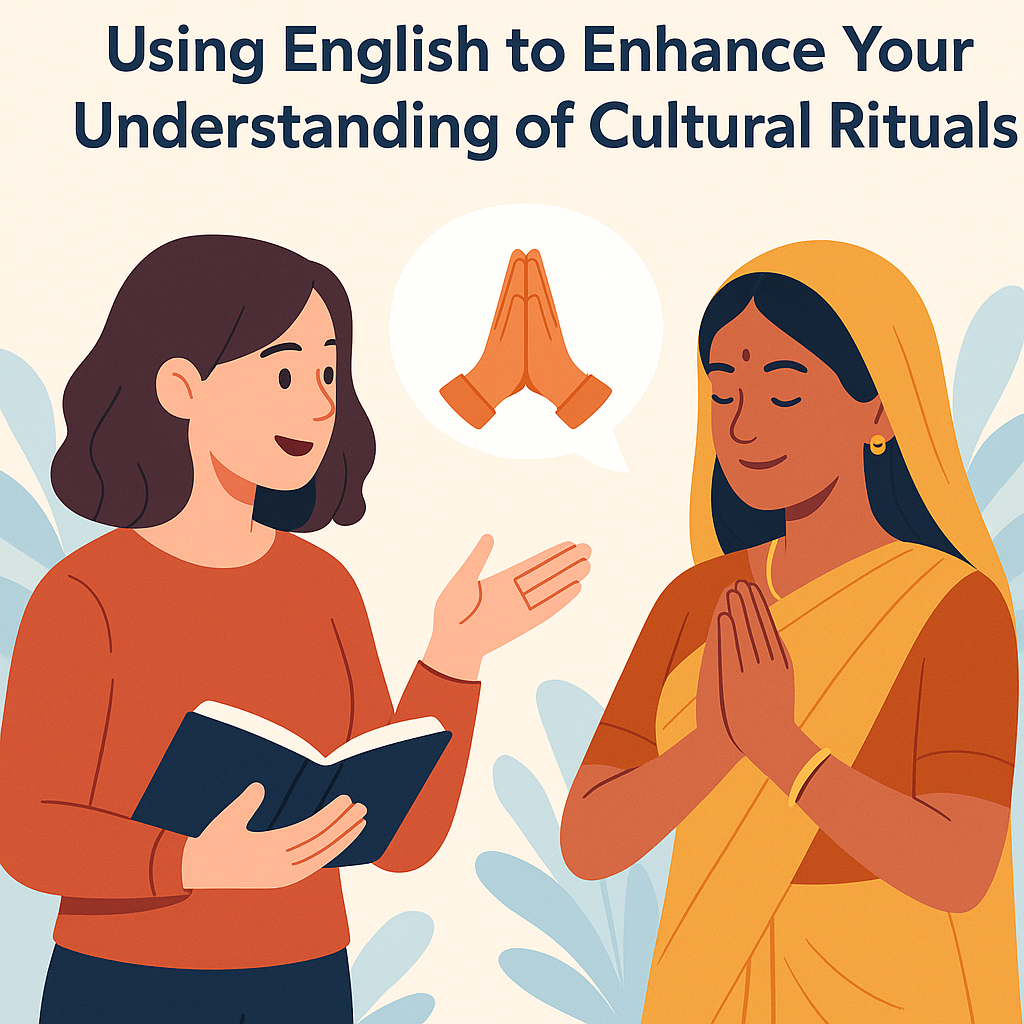
Language serves as an intricate bridge, linking different cultures, societies, and traditions. In today’s interconnected world, English often emerges as the dominant lingua franca, facilitating communication and understanding among diverse groups. The importance of language extends beyond mere communication; it encapsulates the essence of cultural identity and tradition. This becomes particularly evident when exploring cultural rituals, events imbued with significance, symbolism, and history. Understanding these rituals through the lens of English not only broadens one’s cultural perspective but also enriches personal knowledge and appreciation. Despite its roots in the western world, English has positioned itself as a global language, making it a critical tool in deciphering cultural intricacies.
Cultural rituals are formalized practices that embody the values, beliefs, and historical legacy of a community. These rituals, ranging from religious ceremonies to traditional festivities, are usually deeply engrained in the cultural fabric of societies. By leveraging English as a tool for comprehension, individuals can tap into an array of resources, from academic research to documentaries, thus gaining a multifaceted understanding of diverse cultural practices. This knowledge enables respectful and meaningful engagement with different cultures, fostering global harmony. Moreover, by utilizing English to study these rituals, one can transcend geographical limitations and gain a richer perspective on global diversity. Grasping the cultural nuances behind rituals deepens empathy and promotes cultural sensitivity, which is increasingly vital in our globalized age.
Breaking Down Barriers through Cross-Cultural Education
Cross-cultural education refers to the process of learning about different cultures to understand their way of life, values, and traditions better. English plays a pivotal role in this educational journey as it often serves as the medium through which information is disseminated. With the vast array of English-language resources available, from books and academic articles to podcasts and online forums, individuals can access comprehensive insights into cultural rituals worldwide. For instance, consider the Diwali festival, celebrated by millions of Hindus around the world. Documentaries and articles in English provide an in-depth look into the traditions associated with Diwali, such as the lighting of Diyas (lamps) and the significance of each day of the festival. These resources make the festival’s religious and cultural significance accessible to a wider audience, transcending linguistic and geographical barriers.
By educating oneself using these resources, one can develop a more profound understanding of the context and rationale behind various rituals. Cross-cultural education fosters empathy and appreciation of diversity, which are crucial in today’s multifaceted society. Learning about cultural rituals through English encourages individuals to step out of their comfort zones and engage with the world in a more informed and respectful manner.
The Role of Technology in Cultural Exploration
Technology has revolutionized how individuals access and consume information, making it a powerful tool in understanding cultural rituals through English. With the advent of the internet, digital platforms provide unprecedented access to cultural insights from around the globe. For example, social media platforms like YouTube and Instagram host numerous channels and pages dedicated to showcasing cultural ceremonies in English. These platforms present rituals in engaging and visually rich formats, making them more relatable and understandable to a global audience. A YouTube documentary showcasing the vibrant festivities of the Rio Carnival in Brazil can educate viewers on the historical origins, music, and dance forms integral to this cultural event.
| Cultural Ritual | Platform | Medium | Impact |
|---|---|---|---|
| Diwali | YouTube | Documentary | Understanding the festival |
| Rio Carnival | Live Streams | Experience the celebration | |
| Hanami in Japan | Podcasts | Audio Narratives | Learn the cultural significance |
Moreover, online learning platforms like Coursera and edX offer courses in cultural studies, often conducted in English, where learners can delve deep into cultural anthropology and global customs. These courses employ multimedia resources, including video lectures, e-books, and interactive forums, to offer a comprehensive understanding of cultural rituals from an academic perspective. The technological dimension of cultural exploration through English not only makes this knowledge accessible but also broadens the scope of understanding, allowing individuals to experience cultural diversity first-hand from the comfort of their own homes.
Overcoming Stereotypes and Misconceptions
Stereotypes and misconceptions about cultures often arise from a lack of knowledge and understanding. By using English to educate oneself about cultural rituals, individuals can effectively challenge preconceived notions and foster a more nuanced perspective about different societies. English-language media and journalism play a critical role in correcting these misconceptions by providing factual, well-researched content that highlights the intricacies of cultural practices. Take, for example, the Day of the Dead in Mexico. This ritual is often misconstrued outside of Latin America as simply a “Mexican Halloween,” yet English-language documentaries and articles accurately depict it as a sacred ritual that honors deceased loved ones, blending Indigenous and Catholic traditions.
- Breaking stereotypes: Learning accurate historical and cultural contexts can dispel oversimplified stereotypes.
- Promoting empathy: Understanding the stories and emotions behind cultural rituals fosters empathy towards different cultures.
- Appreciating diversity: Exposure to diverse cultural practices motivates individuals to appreciate global diversity.
By actively seeking out English resources that educate rather than perpetuate stereotypes, individuals can better understand cultural rituals’ nuanced realities. Furthermore, participating in culturally diverse communities and engaging with them in English can provide practical insights and firsthand experiences, further dispelling stereotypes. This awareness is key to fostering a tolerant and inclusive global society where cultural diversity is celebrated rather than misunderstood.
Collaborative Cultural Exchanges
Collaborative cultural exchanges enable individuals and communities to share and learn from each other’s cultural traditions, enhancing mutual respect and understanding. English frequently serves as the common platform for these exchanges, allowing people from different linguistic backgrounds to come together and communicate effectively. International exchange programs, often conducted in English, offer opportunities for individuals to immerse themselves in another culture, participate in their rituals, and gain firsthand experience. Imagine an exchange student from the United States attending a Shinto ceremony in Japan. Through the use of English, they can communicate with locals, understand the significance of the ritual, and participate respectfully.
Additionally, cultural festivals hosted in English-speaking countries frequently feature representatives of various cultures, providing a rich tapestry of global traditions accessible to attendees. London, with its multicultural environment, hosts numerous such events where diverse communities present their cultural rituals, educating the audience and celebrating cross-cultural collaboration.
Practically, these exchanges facilitate the sharing of cultural knowledge and foster cultural bridges, as both residents and visitors deepen their understanding of global diversity. Collaborative cultural exchanges are vital for nurturing cultural harmony while promoting an enriched global perspective through the shared medium of English.
Enhancing Linguistic and Cultural Competence
Linguistic competence refers to the ability to effectively communicate in a language, while cultural competence encompasses the understanding and appreciation of cultural differences. Using English to study cultural rituals significantly contributes to enhancing both competencies. By engaging with diverse cultural materials available in English, individuals refine their language skills while immersing themselves in different cultural contexts. For instance, reading a scholarly article or listening to a podcast about the Chinese New Year enables learners to improve their English vocabulary and comprehension while gaining insights into the festival’s traditions and cultural significance.
Language learning platforms like Duolingo and Rosetta Stone often incorporate cultural elements into their lessons to provide a holistic learning experience. These platforms introduce learners to the cultural context behind language use, enabling them to apply linguistic knowledge in culturally appropriate ways.
By integrating linguistic and cultural education, individuals not only develop better proficiency in English but also cultivate sensitivity towards cultural nuances. This dual competence equips individuals with the tools needed to navigate global interactions skillfully and adapt to diverse cultural environments with ease.
Conclusion: Bridging Cultures with Language and Respect
In conclusion, using English as a tool to understand cultural rituals has far-reaching benefits. It enables individuals to break down communication barriers, fosters empathy, and challenges stereotypes. By tapping into English-language resources, one can explore cultural nuances, gain a richer appreciation of global diversity, and participate in collaborative exchanges that strengthen cultural ties. As cultural competence becomes ever crucial in our globally connected world, utilizing English to expand our understanding of cultural rituals paves the way for more inclusive and respectful interactions.
For those eager to deepen their cultural knowledge, consider engaging with diverse media, educational courses, and community exchanges in English to experience firsthand the richness of global traditions.
Let this be an invitation to embark on a lifelong journey of cultural exploration, using English to enhance understanding, celebrate diversity, and contribute to a world where cultural harmony flourishes.
Frequently Asked Questions
1. How does using English help in understanding cultural rituals?
English, as the global lingua franca, creates a common ground for people from diverse backgrounds to communicate seamlessly. When it comes to understanding cultural rituals, English can serve as an essential tool for several reasons. First, it provides access to a vast array of resources, such as books, academic articles, and online content, that delve into the intricacies of various cultural practices. Many such resources are available in English due to its widespread usage, thus offering comprehensive insights into the symbolism, history, and significance of these rituals. Furthermore, English can facilitate dialogues and interviews with cultural practitioners, scholars, and community members who may speak English as a second language, allowing for a deeper and more personal understanding of the rituals. This exchange of ideas and experiences enriches our knowledge and appreciation of cultural practices worldwide.
2. Can English influence cultural rituals themselves?
Absolutely, language, including English, can indeed influence cultural rituals. As English speakers engage with a culture, there is often an exchange of ideas and practices that can lead to subtle changes in how rituals are understood or performed. For instance, certain terms or concepts might be explained using English, which can bring new interpretations or highlight specific aspects that were previously less emphasized. This might lead to rituals incorporating elements or organizational styles familiar to an English-speaking audience, especially in multicultural and globalized settings. However, it is crucial to approach such influences with sensitivity and respect for the original cultural context to ensure that the integrity and authenticity of the rituals are maintained.
3. What are the potential challenges of using English to explore cultural rituals?
While English can be a powerful tool for gaining insights into cultural rituals, there are several challenges to consider. One significant challenge is the risk of misinterpretation or oversimplification. Cultural rituals are deeply rooted in the community’s language, symbolism, and history, which may not always have direct translations into English. This can lead to a loss of nuanced meanings or misconceptions about the practice. Additionally, English-speaking researchers or enthusiasts may unintentionally project their cultural biases onto their understanding of the ritual, which can distort its interpretation. Language barriers might also hinder communication if the practitioners or community members are not proficient in English. To overcome these challenges, it is essential to engage deeply with the culture, seek guidance from cultural insiders, and approach learning with humility and an open mind.
4. How can one effectively use English to study and appreciate cultural rituals?
To effectively use English for studying and appreciating cultural rituals, one should start by accessing diverse resources available in English, such as books, documentaries, and academic papers that focus on anthropology and cultural studies. Engaging with these resources opens up a broad understanding of the history, significance, and variations of the ritual. It is also beneficial to participate in cultural exchange programs, online forums, or local community events where native cultural practitioners discuss their traditions in English. This provides firsthand insights and encourages dialogue, often revealing elements of the ritual that might not be documented. Moreover, learning key vocabulary related to the ritual in both English and the native language can bridge understanding and demonstrate respect for the original culture. Finally, maintaining an attitude of continuous learning and being open to different perspectives is crucial for appreciating the depths of cultural rituals while using English as a tool.
5. Why is it important to respect the cultural context when using English to learn about rituals?
Respecting the cultural context is pivotal when exploring rituals through English because it ensures that the practices are understood and represented accurately. Every cultural ritual is a tapestry of historical, social, and spiritual elements that define a community’s identity. Approaching these rituals with the cultural context in mind safeguards against misinterpretation or appropriation, which can strip the practice of its intrinsic value and significance. Respecting cultural context involves acknowledging the origin and evolution of the ritual and recognizing its meaning to the people who partake in it. When using English, it should serve as a tool to reflect the authentic voice of the cultural practitioners rather than reshaping the narrative to fit external perspectives. Doing so not only honors the tradition but also fosters genuine intercultural appreciation and dialogue.