
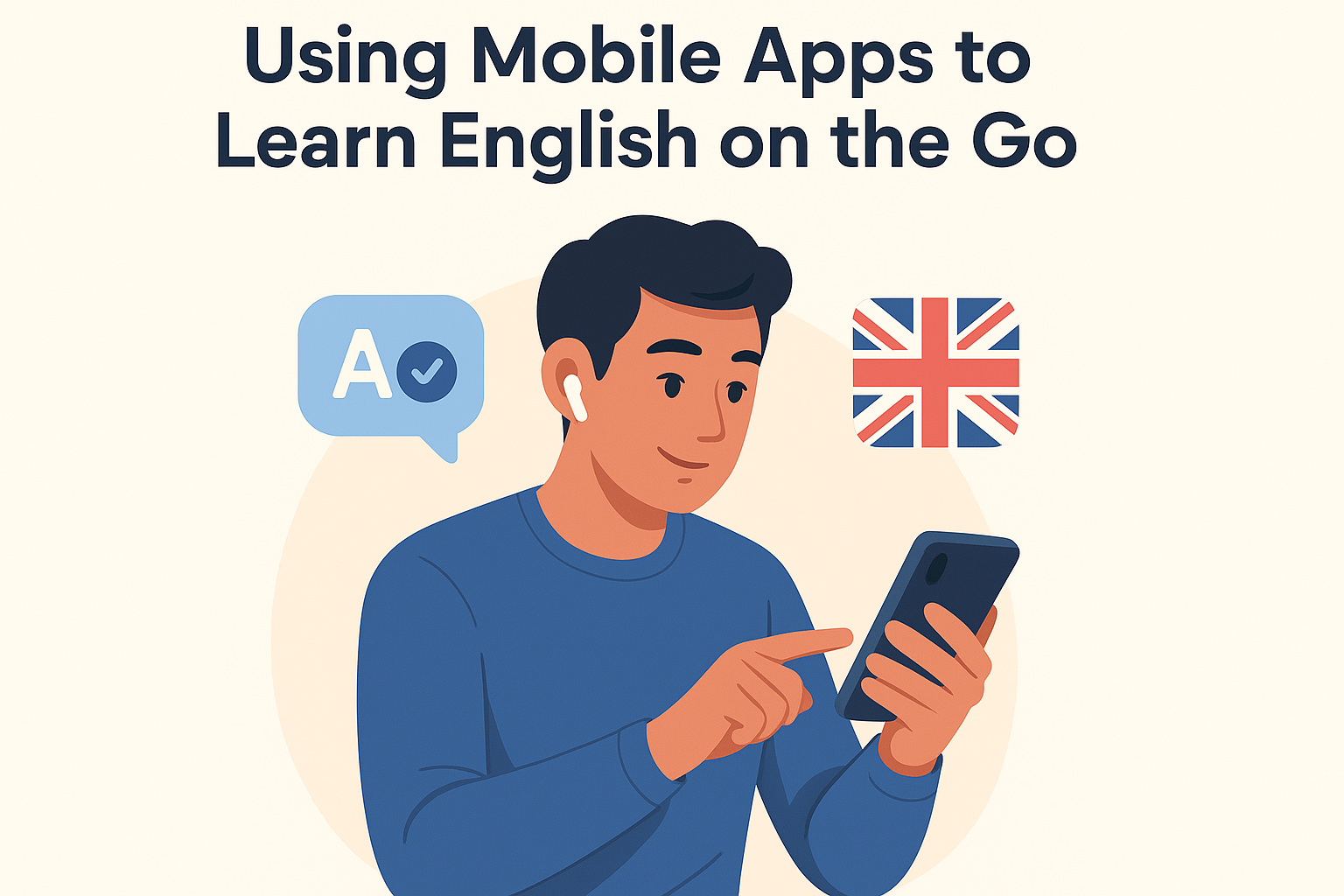
In an increasingly globalized world, proficiency in the English language has emerged as a crucial skill. As technology advances, traditional methods of language learning are evolving. Mobile apps offer a revolutionary opportunity to learn English on the go, enabling learners to access resources anywhere, anytime. In this digital age, the convenience and effectiveness of using such apps open new avenues for language acquisition, catering to diverse learning styles and schedules.
Mobile apps for learning English encompass a variety of features, such as vocabulary games, interactive lessons, and speech recognition software. This dynamic approach appeals to multiple learning preferences, providing auditory, visual, and kinesthetic learners with tools tailored to their needs. With the proliferation of smartphones, mobile apps democratize access to high-quality language education, eliminating geographical and financial barriers. Ensuring accessibility and affordability, they support learners from different backgrounds in achieving fluency and enhancing their communication skills, necessary for academic, professional, and personal growth.
The Evolution of Language Learning: A Shift to Mobile Apps
The traditional classroom setup, with its rigid schedule and limited resources, often fails to accommodate the varied needs of language learners. In contrast, mobile apps offer a flexible, personalized, and engaging alternative. This transition is fueled by the increasing engagement with digital platforms and a growing preference for on-demand learning experiences.
For instance, Duolingo, a widely utilized language-learning platform, caters to over 500 million users worldwide. Its gamified approach turns language learning into an enjoyable activity, encouraging users to invest more time in practice. With short, interactive exercises, Duolingo allows learners to study at their own pace, a significant departure from conventional classroom instruction.
Through the use of adaptive algorithms, apps like Duolingo provide customized content based on individual performance, ensuring that learners are always challenged yet not overwhelmed. This adaptability is crucial for effective language acquisition, as it addresses the unique learning curve of each user.
Interactive Features and Real-world Learning
Real-world immersion is a vital component of language learning. Mobile apps bring this element to the user’s fingertips, offering opportunities to practice speaking, listening, reading, and writing in authentic contexts. By incorporating scenarios from daily life, apps engage users in practical language use, improving retention and fluency.
An example is Rosetta Stone, renowned for its immersive approach that emphasizes learning by context rather than translation. This app simulates real-life conversations using native speakers’ audio and encouraging learners to practice their pronunciation. The speech recognition technology provides instantaneous feedback, facilitating rapid improvement in speaking skills.
Furthermore, the advent of augmented reality (AR) in language learning apps adds an exciting layer of interactivity. Apps like Mondly AR enable learners to engage with virtual characters in various scenarios, promoting contextual learning that reinforces language skills in a natural setting.
Progress Tracking and Motivation
One of the standout benefits of using mobile apps to learn English is the ability to monitor progress in real-time. These apps utilize built-in analytics tools to track achievements, identify weaknesses, and suggest areas for improvement. By visualizing their progress, learners can set attainable goals, stay motivated, and celebrate small victories along the way.
For example, Babbel offers a personalized learning experience that tailors lessons to the user’s skill level and goals. Its review manager helps reinforce knowledge by revisiting previously learned material at optimal intervals, based on the principles of spaced repetition. This ensures long-term retention and mastery of language concepts.
In addition to progress tracking, the integration of social elements in apps can boost learners’ motivation. By joining interactive communities or forums within these platforms, learners can share their experiences, seek advice, and even participate in peer-to-peer challenges. This social interaction fosters a sense of belonging and encourages continued engagement with the app.
Comprehensive Resources and Accessibility
Mobile apps in language education stand out for their vast array of resources that cater to beginner, intermediate, and advanced learners. This comprehensive approach ensures continual language development, from grasping basic vocabulary to mastering complex grammatical structures.
Take LingQ, an app that immerses users in a repository of content across various fields of interest, including news, podcasts, and literature, all while building linguistic skills. This exposure to different registers and styles of English supports learners in understanding nuances and expanding their lexicon.
Accessibility is another significant advantage of learning English through mobile apps. With a smartphone in almost every pocket, learners have unprecedented access to language tools anytime, making it easier to incorporate practice into daily routines. This flexibility is crucial for learners with busy lifestyles, enabling them to optimize “in-between” times, such as during commutes or breaks.
| App Name | Main Feature | User Rating |
|---|---|---|
| Duolingo | Gamified Learning | 4.7/5 |
| Rosetta Stone | Immersive Approach | 4.8/5 |
| Babbel | Personalized Lessons | 4.6/5 |
| LingQ | Content-rich Library | 4.5/5 |
Adapting to Diverse Learning Styles
Another notable advantage of mobile apps is their ability to accommodate varying learning styles, whether auditory, visual, or kinesthetic. These apps cater to sensory preferences, aiding in more effective and enjoyable language acquisition.
For example, some learners may benefit more from auditory learning. Such individuals can enhance their skills through apps like Pimsleur, which emphasizes auditory-based learning techniques. It supports language acquisition by employing native pronunciation modeling and engaging repetition, ensuring clear understanding and spoken fluency.
Meanwhile, visual learners can leverage apps rich in imagery, such as Memrise, which uses visual mnemonics and flashcards to memorize vocabulary and phrases. By providing vivid visual cues, Memrise enables learners to recall language concepts more efficiently, bridging the gap between recognition and application.
Kinesthetic learners, who prefer learning through physical activity, can find value in apps that incorporate movement into language practice. Through augmented reality and interactive features, learners engage in dynamic and active language exploration, benefiting from tactile experiences that reinforce learning outcomes.
Evolving Language App Technologies and Future Trends
The future of language learning through mobile apps looks promising as technology continues to evolve. Developers are increasingly integrating artificial intelligence (AI) and machine learning algorithms to enhance personalization and adaptive learning paths. These technologies enable apps to analyze user data and patterns, offering tailored lessons that address specific problem areas and learning goals.
Additionally, the incorporation of voice recognition and natural language processing (NLP) has revolutionized the field. Apps like Elsa Speak, for example, utilize advanced NLP technology to offer precise pronunciation training and feedback. By analyzing users’ speech patterns, the app provides individualized instruction on how to improve and develop confidence in conversational skills.
With continuous technological advancement, mobile apps are likely to play a key role in blending formal and informal education. As educational institutions recognize their value, we may see more integrations of app-based learning in traditional curricula, offering a comprehensive approach that maximizes language proficiency. Furthermore, partnerships between app developers and educational organizations could improve access to certified learning resources, fostering new collaborations in language education.
The integration of virtual reality (VR) in language learning apps presents another future trend to watch. With VR, learners could experience fully immersive linguistic environments, engaging with native speakers and cultural contexts. Such advancements hold promise for expanding realistic language practice, making learning more engaging and effective.
Conclusion: Embrace Mobile Apps to Maximize English Language Learning
The convenience, accessibility, and effectiveness of mobile apps for learning English highlight their transformative impact on language education. By adapting to diverse learning styles, offering interactive real-world experiences, and utilizing advanced technologies, these apps provide unparalleled opportunities for learners to master English on the go.
One key takeaway is the remarkable adaptability of mobile apps to suit individual learning needs. Whether through gamified exercises, immersive experiences, or personalized lessons, learners benefit from a comprehensive educational ecosystem that fosters motivation and engagement.
As a reader eager to enhance your English language skills, embracing mobile apps opens doors to a world of linguistic possibilities. Start by exploring various platforms, setting achievable goals, and integrating regular practice into your routine. The journey to fluency becomes manageable and enjoyable with these innovative tools.
Take the first step in your language learning adventure by downloading an app that resonates with your goals. With dedication and the power of technology in your hands, mastering English is within reach. Dive in, explore, and unlock the potential of becoming an adept English speaker.
Frequently Asked Questions
1. How do mobile apps help in learning English on the go?
Mobile apps are designed to leverage the portability and flexibility of smartphones and tablets, allowing users to learn English anytime and anywhere. These apps typically include interactive lessons on vocabulary, grammar, listening, speaking, reading, and writing skills. Many apps feature multimedia content such as videos, audio clips, and interactive exercises that cater to different learning styles. Additionally, apps often incorporate gamification elements, like points and leaderboards, to motivate learners and make the learning process more engaging.
Furthermore, mobile apps offer the convenience of personalized learning schedules. Since the lessons are accessible 24/7, users can fit their language studies into even the busiest of days. This means that whether you’re commuting on a train, taking a break at work, or waiting at a café, you can make productive use of your time and steadily improve your English skills. The ability to learn at your own pace and track your progress are crucial factors in effective language acquisition, and mobile apps excel in providing these tailored experiences.
2. What are the advantages of using mobile apps over traditional language learning methods?
One of the major advantages of mobile apps compared to traditional language learning methods is accessibility. With a smartphone or tablet, learners have access to extensive learning resources without the need to physically attend classes or purchase hefty textbooks. This makes learning more affordable and less time-consuming.
Mobile apps can also be highly adaptable and inclusive, welcoming diverse learning styles. For example, visual learners may benefit from apps that heavily incorporate imagery and videos, while auditory learners can take advantage of listening exercises and podcasts. Kinesthetic learners might enjoy engaging with interactive games and quizzes that reinforce the language skills being taught.
Moreover, mobile apps provide real-time feedback and assessments, enabling learners to quickly understand their proficiency levels and areas needing improvement. This immediacy is often lacking in traditional classroom settings, where feedback may be delayed due to larger class sizes and less one-on-one interaction with instructors.
3. Are there specific apps recommended for different English proficiency levels?
Yes, many mobile apps are tailored to different proficiency levels, from beginners to advanced learners. For beginners, apps like Duolingo and Babbel can offer a structured introduction to basic vocabulary and grammar. These apps tend to use simple interfaces and gradual step-by-step lessons that help newbies gain confidence and foundational skills.
For intermediate learners, apps such as Rosetta Stone and Memrise can help in building more complex phrases and expanding vocabulary. They often focus on improving conversational skills and understanding more nuanced grammatical structures.
Advanced learners might benefit from apps like Beelinguapp and FluentU, which offer authentic materials such as news articles, literature, and movies in English. This level of immersion can challenge advanced learners by exposing them to the language as it is naturally used by native speakers.
4. Do these apps provide opportunities for real-life practice and interaction?
Many mobile apps are designed to facilitate real-life practice and interaction, crucial aspects of becoming fluent in any language. For example, some apps like Tandem and HelloTalk connect users with native speakers around the globe, allowing learners to engage in conversations and exchange language skills. This not only helps practice English in conversational contexts but also provides cultural insights and real-world usage.
Some apps also incorporate speech recognition technology to give users instantaneous feedback on their pronunciation and speaking skills, thus closely simulating a conversation with a tutor. These features help learners adjust their pronunciation in real-time, enhancing their communication abilities.
Moreover, apps like Zoom and Skype can complement language learning apps by allowing live interactions and study sessions with tutors or fellow learners, making the learning experience interactive and collaborative.
5. Can mobile apps by themselves make someone fluent in English?
While mobile apps are powerful tools for language learning, they should not be relied upon exclusively to achieve fluency. Apps are excellent for building vocabulary, understanding grammar, and practicing listening and speaking. However, true fluency involves understanding cultural contexts, idiomatic expressions, and nuances that typically require real-life practice and exposure.
To become fluent, it’s beneficial to complement app-based learning with additional resources such as language exchange programs, speaking with native speakers, watching English movies and TV shows, and reading books or articles in English. These activities, combined with mobile app exercises, can create a well-rounded and immersive language learning experience.
Ultimately, the journey to fluency is a highly personal and varying process, and the key is consistency and active engagement with the language in diverse settings. By blending apps with other language learning strategies, learners can enrich their learning experience and advance towards fluency more effectively.





