
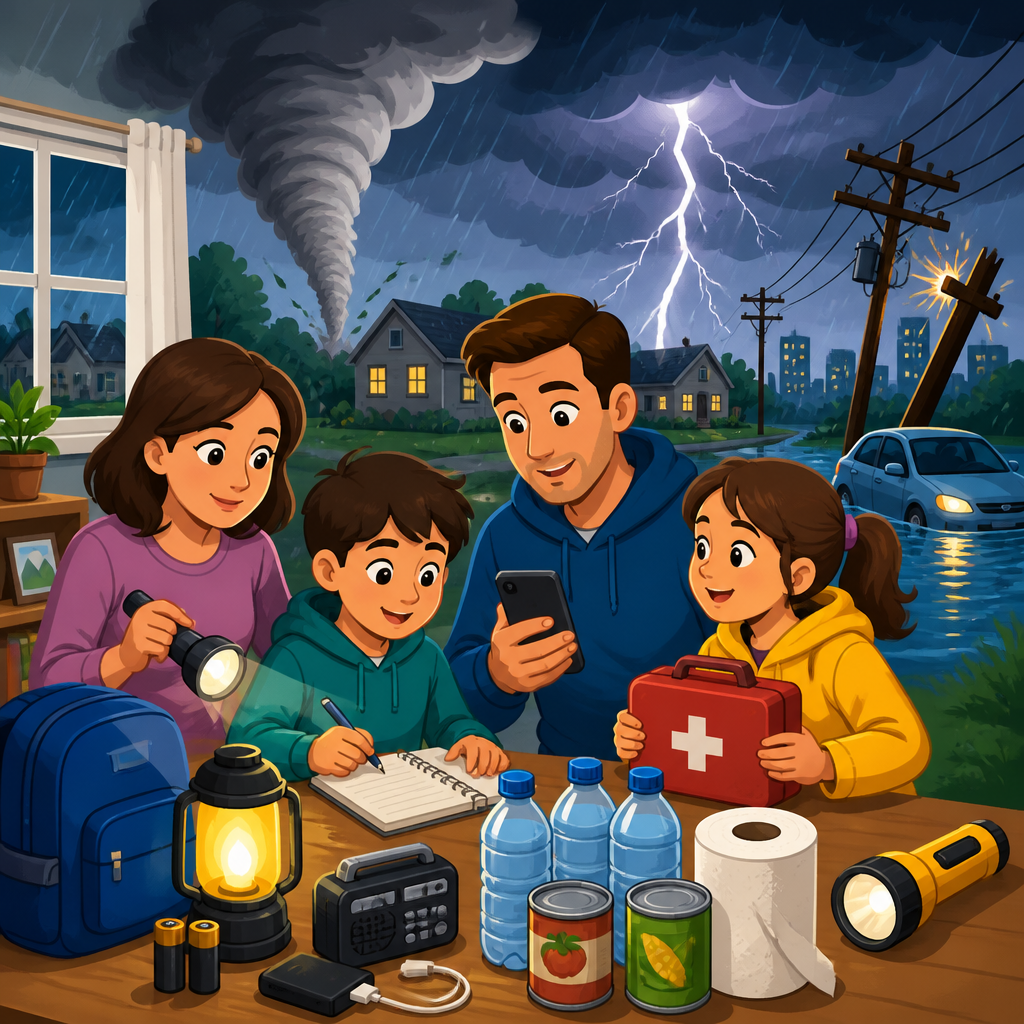
Weather emergency vocabulary helps renters, homeowners, travelers, and workers understand urgent messages when storms threaten safety or interrupt daily life. I have taught practical English around emergency situations, and this vocabulary consistently matters because people do not fail during storms for lack of courage; they fail because they misunderstand the warning, the timeline, or the action required. In this context, vocabulary means the exact words used in forecasts, mobile alerts, utility notices, insurance instructions, and conversations with neighbors, landlords, and emergency crews. Storms include thunderstorms, hurricanes, tornadoes, blizzards, ice storms, and severe wind events. Alerts are official messages issued by meteorological agencies, local governments, schools, and phone systems. Power outages are interruptions in electrical service caused by damaged equipment, fallen trees, flooding, lightning, extreme heat, or overloaded grids.
Knowing these terms matters for two reasons. First, emergency language is compressed. A phone alert may contain only a few words, such as “seek shelter now,” “flash flood warning,” or “boil water advisory.” Second, similar words can signal very different levels of danger. “Watch” and “warning” are not interchangeable. “Outage” and “brownout” are not the same. “Advisory” often suggests caution, while “evacuation order” requires immediate action. When English learners or even native speakers miss those differences, they can make slow or unsafe choices. Strong command of this vocabulary improves response time, helps people ask better questions, and reduces confusion when communicating with landlords, utility companies, first responders, or family members during a stressful event.
Storm terms you must understand first
The most important storm vocabulary describes what is happening in the atmosphere and how dangerous it may become. A thunderstorm is a storm with lightning and thunder, often bringing heavy rain, strong wind, hail, or sudden flooding. Severe thunderstorm is a technical term used when winds, hail, or both reach hazardous thresholds defined by weather authorities. A tornado is a violently rotating column of air extending from a thunderstorm to the ground. A funnel cloud looks similar but does not touch the ground. That distinction matters because a tornado warning demands immediate shelter, while a funnel cloud report may precede a warning.
Hurricane, typhoon, and cyclone describe the same type of tropical system in different regions. In the Atlantic and eastern Pacific, the term is hurricane. In the northwest Pacific, it is typhoon. Storm surge refers to ocean water pushed inland by a storm’s winds; it is often deadlier than rain or wind alone. In winter, blizzard does not simply mean heavy snow. It specifically refers to strong wind plus blowing snow and low visibility for a sustained period. Ice storm means freezing rain coats surfaces in ice, often leading to snapped branches, downed power lines, and dangerous roads. Derecho is a widespread, long-lived windstorm associated with fast-moving thunderstorms; many people have experienced one without knowing the term.
Intensity terms also carry practical meaning. Sustained wind is the average wind speed over a set period, while gust means a brief increase above that average. Hail is frozen precipitation that falls in chunks, sometimes large enough to break windows or dent cars. Flooding is water overflowing onto normally dry land. Flash flooding develops quickly, often within minutes or hours of heavy rain. If you can define these words clearly, you can interpret a forecast instead of reacting only after damage begins.
Alerts, watches, warnings, and evacuation language
Emergency alerts use standardized language, but many people still confuse the core categories. A watch means conditions are favorable for a dangerous event. A warning means the event is happening, has been observed, or is imminent. An advisory usually signals less severe conditions that still require caution. This hierarchy is widely used by agencies such as the U.S. National Weather Service, and understanding it can save minutes that matter. When I train learners, I tell them to treat “watch” as prepare and “warning” as act now. That simple rule prevents hesitation.
Several related terms appear in notifications. Emergency alert is a general term for urgent public messaging sent by phone, radio, television, sirens, or local systems. Shelter in place means stay indoors at your current location and secure yourself there; it does not mean travel to a public shelter. Evacuation means leaving an area because staying has become unsafe. A voluntary evacuation advises departure, while a mandatory evacuation, also called an evacuation order in many jurisdictions, requires immediate compliance. All-clear means the immediate danger has passed, though hazards such as floodwater, debris, or unstable structures may remain.
| Term | Plain meaning | Best immediate response |
|---|---|---|
| Watch | Dangerous conditions are possible | Review plans, charge devices, monitor updates |
| Warning | Danger is occurring or about to occur | Take protective action immediately |
| Advisory | Conditions may cause inconvenience or minor hazard | Use caution and adjust plans |
| Shelter in place | Stay where you are and secure the location | Move indoors, away from windows |
| Mandatory evacuation | Authorities require you to leave | Exit the area without delay |
Other useful terms include warning siren, alert tone, update, expiration time, projected path, and impact zone. Projected path refers to the expected track of a storm system. Impact zone is the area likely to experience the most significant effects, such as high wind, flooding, or storm surge. If you rent housing and want broader English for housing situations, see the main guide at English for Renting an Apartment: Words You Need Before You Sign. In emergencies, those housing words combine with alert language when you speak to a landlord, building manager, or maintenance team.
Power outage vocabulary for homes, apartments, and buildings
Power outage vocabulary becomes essential the moment lights go out. An outage is a complete loss of electrical service. A blackout usually describes a wide-area outage affecting many customers, while a brownout is a voltage drop that causes dim lights or underperforming appliances without total loss of service. Utility company refers to the organization that provides electricity, gas, or water. Grid means the interconnected electrical network that delivers power from producers to users. Transformer is equipment that changes voltage; when a transformer fails, neighborhoods may lose service suddenly.
People often misuse the phrase “the power tripped.” More precisely, a breaker tripped. A circuit breaker is a safety switch in an electrical panel that shuts off power when a circuit overloads or shorts. If only one room loses power, the issue may be an internal breaker, not a neighborhood outage. Downed power line means an electrical line has fallen to the ground or onto a structure. Treat that phrase as life threatening. Utilities and fire departments consistently advise staying far away, because lines may remain energized even if they appear inactive.
Restoration means electrical service is being returned. Estimated restoration time, often shortened to ETR, is the utility’s best forecast for when service will resume. Backup power means an alternative electricity source, usually a generator or battery system. Surge protector is a device that protects electronics from voltage spikes when power returns. Outage map is the utility’s live map showing affected areas, customer counts, and crew status. For apartment residents, common area lighting, elevator service, access control systems, and sump pumps are especially important terms because they affect safety beyond the individual unit.
Practical phrases for reporting damage and asking for help
During storms, people need phrases that are precise, brief, and easy for responders to understand. Instead of saying “everything is bad,” say “a tree branch fell on the roof,” “water is leaking through the ceiling,” “the basement is taking on water,” or “there is no power in the building.” Damage refers to physical harm to property. Debris means scattered broken material such as branches, glass, shingles, or metal. Leak means unwanted water entering a structure. Water intrusion is a more formal property-management term for the same problem, often used in maintenance records and insurance documentation.
Several expressions are especially useful in calls and messages. “The road is blocked” means passage is not possible because of floodwater, trees, vehicles, or debris. “Lines are down” usually refers to utility or communication lines on the ground. “My phone battery is low” signals urgency when speaking with customer support or family. “We need bottled water” and “We need a place to charge medical equipment” communicate essential needs directly. In apartment buildings, “the elevator is out of service,” “the hallway emergency lights are on,” and “the smoke alarm is chirping after the outage” are realistic, high-frequency reports.
Documentation vocabulary also matters after the event. Take photos, note the time of loss, save receipts, and record case numbers. Claim means a formal request to an insurer for compensation. Deductible is the amount you pay before insurance coverage applies. Habitability is a legal concept used in many rental systems to describe whether a home remains safe and fit to live in. If there is no heat in freezing weather, major water damage, or prolonged loss of essential services, that word can become important in conversations with landlords and local authorities.
How to remember and use emergency vocabulary confidently
The fastest way to learn this vocabulary is to group words by action, not alphabetically. Put watch, warning, advisory, evacuation, and shelter in place in one set because they tell you what to do. Group outage, breaker, transformer, generator, and restoration in another because they describe electrical problems. Then practice with short scenarios. Example: “A tornado warning was issued, so we sheltered in the hallway away from windows.” Example: “The utility posted an ETR of 11 p.m., but the outage map showed crews still assessing damage.” This kind of sentence practice builds usable language, not passive recognition.
I also recommend listening to real weather briefings and pausing to paraphrase them in simple English. If a forecast says “localized flash flooding is possible in low-lying areas,” restate it as “some places may flood quickly, especially lower ground.” That technique trains comprehension under pressure. Keep a personal glossary in your phone with the ten to twenty terms most relevant to your location. Coastal residents should know storm surge, landfall, and evacuation zone. People in snowy climates should know freezing rain, wind chill, whiteout, and ice accumulation. Anyone in an apartment should know outage, leak, breaker panel, and emergency maintenance.
Weather emergency vocabulary is practical language with immediate consequences. When you know the difference between a watch and a warning, understand what an outage notice really says, and can report damage clearly, you make faster and safer decisions. You also communicate better with utilities, landlords, neighbors, insurers, and emergency responders. Focus on the terms you are most likely to hear where you live, practice them in short realistic sentences, and review them before storm season begins. Build that vocabulary now, then save it where you can reach it quickly when conditions turn serious.
Frequently Asked Questions
1. What is the difference between a weather watch, warning, and advisory?
A weather watch means conditions are favorable for a dangerous event to develop. In plain English, it means “be ready.” For example, a tornado watch means the atmosphere could produce tornadoes, even if none has been confirmed yet. A warning is more urgent. It means dangerous weather is happening now, has been detected by radar, or is expected very soon in a specific area. A tornado warning, flash flood warning, or severe thunderstorm warning calls for immediate attention and often immediate action. An advisory usually refers to less severe but still important conditions that can affect travel, visibility, or general safety, such as a wind advisory, heat advisory, or dense fog advisory.
These three words matter because they tell you not just what the weather is, but how quickly you may need to respond. Many people hear “watch” and “warning” as if they mean the same thing, but they do not. A watch gives you time to review your plan, charge your phone, move indoors, or avoid unnecessary travel. A warning means do not wait to decide. Take protective action right away. In emergency English, understanding this difference can save time, reduce confusion, and help you respond correctly when every minute matters.
2. What common storm vocabulary should people understand during emergencies?
Some of the most important storm-related words include severe thunderstorm, tornado, hail, damaging winds, storm surge, flash flood, flood advisory, lightning, and shelter. A severe thunderstorm is not just any storm with rain and thunder; it usually involves dangerous wind, large hail, or both. Damaging winds can knock down trees, power lines, and signs. Hail refers to balls or chunks of ice falling from a storm, sometimes large enough to break windows or damage vehicles. Lightning is a direct life-safety risk, even when rain does not seem heavy.
Other terms describe where the danger is moving or how serious it may become. Rotation may suggest that a storm is developing the structure needed for a tornado. Line of storms often means a connected band of thunderstorms moving across a wider area. Storm surge is especially important in coastal areas because it refers to ocean water pushed inland by strong winds, often causing serious flooding. Flash flooding means water rises quickly, sometimes in minutes, and can trap drivers or people in low-lying areas. Words like seek shelter, move to higher ground, stay off the roads, and avoid downed lines are action phrases, not background information. They tell you exactly what to do. Learning this vocabulary helps renters, homeowners, travelers, and workers understand both the hazard and the expected response.
3. How should I understand emergency alerts on my phone, TV, radio, or weather app?
Emergency alerts are designed to be short, urgent, and action-focused, so every word matters. A typical alert may identify the hazard, the location, the time period, and the protective action. For example, an alert that says “Severe Thunderstorm Warning until 8:15 PM. Damaging winds up to 70 mph. Move to an interior room. Avoid windows” gives you four critical pieces of information: what the threat is, how long the immediate danger may last, how strong it may be, and what action to take. If an alert mentions your county, city, neighborhood, highway, or nearby landmark, do not assume it applies only to someone else. Read the location details carefully.
It also helps to recognize common emergency phrases. Take shelter now means act immediately. Life-threatening signals extreme danger. Emergency, as in “tornado emergency,” indicates an unusually severe and confirmed situation. Radar indicated means weather technology has detected signs of danger, while observed usually means trained spotters, emergency officials, or the public have confirmed it directly. Utility alerts may use different wording, such as outage reported, crew dispatched, estimated restoration time, or repair delayed due to unsafe conditions. Those phrases tell you whether power is out, whether help is on the way, and whether workers can safely begin repairs yet. In practice, understanding emergency alerts means paying attention to the exact wording, not just the general topic of the message.
4. What power outage vocabulary should I know during storms and severe weather?
Power outage language becomes very important during storms because utility updates often contain technical terms that affect safety decisions. A power outage means electrical service has been interrupted. A blackout often refers to a widespread loss of power, while a brownout can mean reduced voltage or dimming power, though the term is used less often in everyday outage alerts. Downed power lines means electrical wires have fallen and may still be energized, which is why people are told to stay far away and report them immediately. Estimated restoration time means the utility’s best current prediction for when service may return, but it can change if crews discover more damage.
Other useful outage terms include grid, transformer, circuit, service interruption, rolling outage, and backup power. You do not need to become an electrical expert, but knowing these words helps you interpret updates correctly. If a utility says a transformer failed, a circuit is damaged, or crews cannot begin work until winds decrease, that explains why restoration is delayed. If they advise customers to conserve battery, unplug sensitive electronics, keep refrigerator and freezer doors closed, or never use a generator indoors, those are direct safety instructions. This vocabulary matters especially for people who depend on medical devices, refrigerated medication, elevators, internet-based work, or electric heating and cooling. Understanding the language of outages helps you plan, stay safe, and communicate more clearly with landlords, employers, hotels, and utility companies.
5. Why does weather emergency vocabulary matter so much for everyday people, not just experts?
Weather emergency vocabulary matters because emergencies are not only physical events; they are communication events. People often do not make dangerous choices because they are careless. They make them because they misread the message, underestimate the timeline, or misunderstand the required action. If someone thinks a watch means “nothing is happening,” or does not realize that “seek shelter immediately” is different from “monitor conditions,” they may lose the chance to act safely. The same is true for flood language, evacuation wording, and utility notices about unsafe repair conditions or extended outages.
For renters, this vocabulary helps when reading building notices, landlord texts, and local alerts. For homeowners, it supports faster decisions about sheltering, protecting property, and preparing for outages. For travelers, it helps with airport announcements, highway alerts, hotel safety instructions, and unfamiliar local weather terms. For workers, it matters when employers issue updates about delayed openings, site closures, remote work, or hazardous commuting conditions. In practical English, these words are not abstract vocabulary lessons. They are decision-making tools. When people understand the exact meaning of terms used in forecasts, mobile alerts, emergency broadcasts, and utility updates, they respond faster, ask better questions, and protect themselves more effectively. That is why learning weather emergency vocabulary is not optional background knowledge; it is part of real-world safety.





