
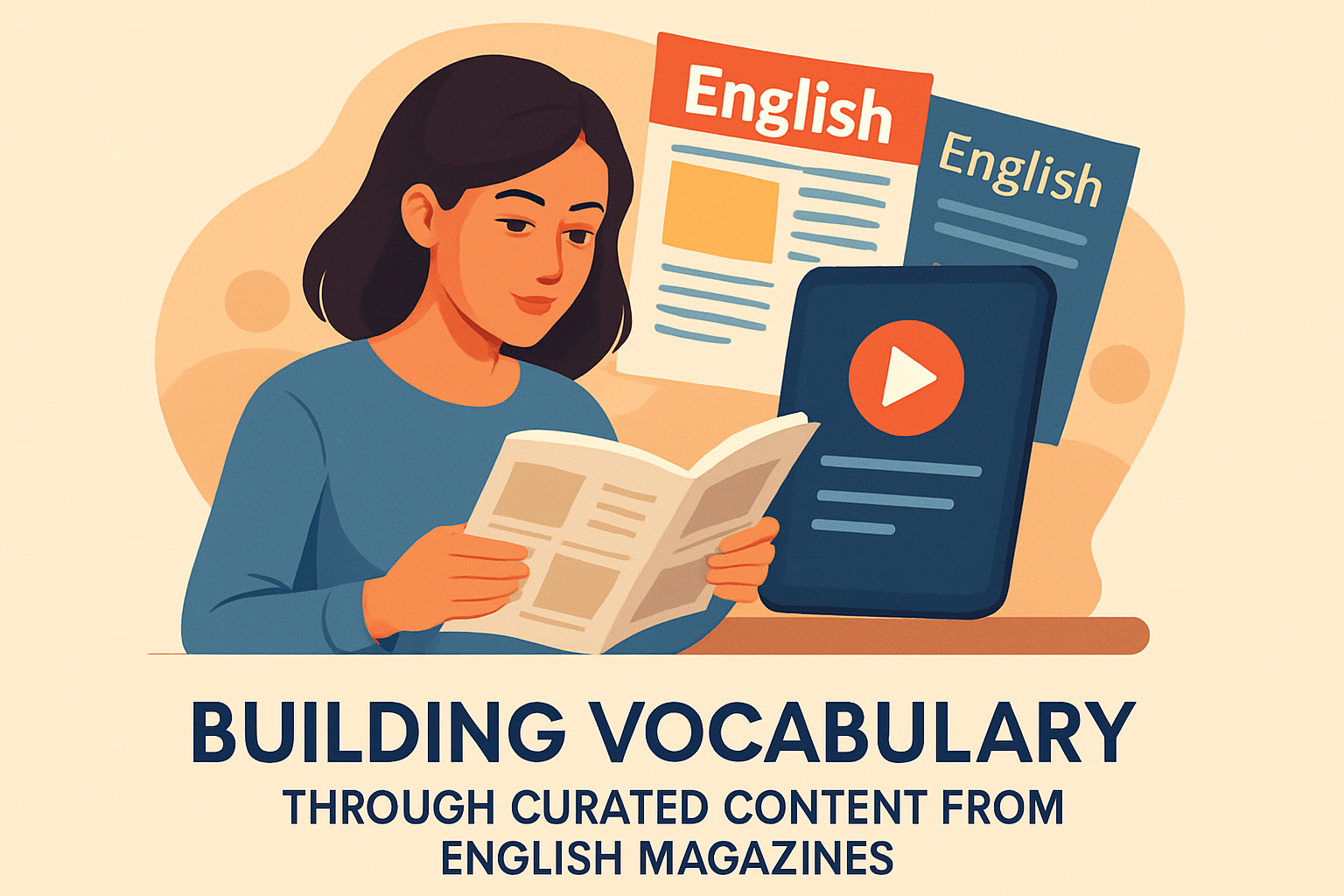
In an ever-evolving world, language remains a cornerstone of effective communication. The English language, in particular, continues to dominate in global discourse, affecting everything from international business transactions to casual conversations online. Building a robust vocabulary in English is essential for anyone looking to excel in academics, business, or daily life. But how does one enhance their lexicon effectively and efficiently? One potent method is by leveraging curated content from English magazines. This approach not only introduces new words but also contextualizes them in a way that makes retention more effective. By exploring this method, individuals can achieve a nuanced understanding of language, equipping themselves with tools for clearer and more impactful interactions.
The term “vocabulary” refers to the set of words known and used by a person in speaking and writing. Having a well-developed vocabulary not only aids in expressing oneself more clearly but also enhances comprehension. “Curated content,” on the other hand, is carefully selected material that is meant to educate, inform, or entertain a specific audience. When these two concepts intersect, it creates an opportunity for structured learning. By focusing on content from reputable English magazines, learners can encounter words that are relevant, trendy, and embedded in meaningful contexts. Such exposure ensures that vocabulary building becomes more than a rote memorization task—it transforms into an engaging, enriching experience that increases a person’s verbal dexterity and comprehension.
The Strengths of Magazine Content
Magazines have long been a staple of print and digital media, offering a wealth of curated content that can serve as a goldmine for language learners. Unlike textbooks or rigid vocabulary lists, magazines provide authentic language usage that reflects current trends, idiomatic expressions, and varied writing styles. This dynamic form of content is invaluable for learners because it immerses them in real-world language applications.
Consider the world-renowned “National Geographic” magazine. An article might delve into environmental issues, utilizing terms like “biodiversity,” “ecosystem,” and “sustainability.” These words not only enrich one’s scientific vocabulary but are also words that surface frequently in discussions concerning global challenges. The context provided within the article allows for a deeper understanding of these terms, as opposed to merely seeing them on a flashcard.
English magazines frequently cater to specific themes or industries, such as fashion, technology, politics, or cooking. By selecting periodicals that match personal interests or professional fields, individuals can tailor their vocabulary learning experience. This method is particularly effective because it fosters genuine engagement. Words learned are more likely to stick when they relate to subjects that the reader finds intriguing or essential to their knowledge base.
Diverse Contexts and Real-world Examples
The beauty of using magazine content lies in its diversity. Articles cover a wide range of topics, providing vocabulary learners with a panoramic view of the English language. Magazines like “The Economist” or “Scientific American” are known for their substantial articles on complex subjects, each using a varied lexicon that challenges even advanced learners.
For instance, an article in “The Economist” discussing economic downturns might introduce terms like “recession,” “fiscal policy,” and “inflationary pressures.” Through explanations, anecdotes, and data within the article, a learner gets a 360-degree view of how these terminologies are applied. This is education within context, leading to a more holistic understanding.
- Fashion Magazine: Offers words like “haute couture,” “runway,” and “ensemble,” enriching fashion-specific vocabulary.
- Technology Magazine: Introduces terms such as “blockchain,” “algorithm,” and “cybersecurity” in ways that highlight their significance in the tech world.
- Cooking Magazine: Utilizes culinary vocabulary like “al dente,” “sauté,” and “julienne,” useful for food enthusiasts seeking to comprehend cooking techniques.
- Lifestyle Magazine: Expands vernacular with phrases like “minimalism,” “wellness,” and “self-care,” reflecting current societal trends.
Such diversity reinforces the partial acquisition of vocabulary by providing opportunities to see words used in varied structures and sentences. Seeing a new word in different contexts allows learners to grasp nuances and versatility, critical for mastering any language.
Curated Learning Through Selection and Repetition
Incorporating curated magazine content for learning vocabulary doesn’t happen by merely skimming through articles. It’s a deliberate process involving selection and repetition. The act of selecting relevant and high-quality content is paramount. For this, learners must identify magazines that align with their interests and objectives.
Let’s say an individual is passionate about technology and aims to work in the IT field. Subscribing to a magazine like “Wired” or “MIT Technology Review” would be ideal, as these publications offer insights and vocabulary that’s directly applicable to their future career. Repeated exposure to such material also ensures that the vocabulary being learned is pertinent and contemporary.
An effective strategy might involve creating a vocabulary journal based on articles read. The learner would list down new words, jot their meanings, and note sentences where these words were used. This method of active engagement reinforces learning and can be coupled with weekly reviews to further cement the vocabulary.
| Publication | Focus Area | Example Vocabulary |
|---|---|---|
| National Geographic | Environment/Science | Biodiversity, Ecosystem, Sustainability |
| The Economist | Economics | Recession, Fiscal Policy, Inflationary Pressures |
| Vogue | Fashion | Haute Couture, Runway, Ensemble |
| Wired | Technology | Blockchain, Algorithm, Cybersecurity |
This method of learning is proactive and tailored, maximizing retention. By associating new words with articles and topics of interest, learners formulate a personalized curriculum that keeps them motivated and connected to the material.
Integration of Vocabulary in Communication
Ultimately, learning vocabulary is not merely an academic exercise—it’s about applying words to enhance communication. English magazines not only teach vocabulary but also demonstrate how to use it effectively in diverse communicative contexts. While initial learning is passive, involving reading and comprehension, eventual mastery is tested through active use.
Consider a reader who frequently engages with lifestyle magazines. Over time, they would have absorbed words related to trends and societal themes. In a conversation about current lifestyle choices, they could effortlessly employ terms like “mindfulness” or “eco-friendly.” This shift from passive recognition to active usage is the final frontier of vocabulary acquisition.
To aid this transition, learners should engage in activities that require the use of new vocabulary, such as writing essays, participating in discussions, or using digital platforms for language exchange. This constant practice, rooted in the foundation of magazine-based learning, ensures that the vocabulary learned is not just understood but is also utilized effectively in everyday interactions.
Conclusion: Maximizing Vocabulary Building through Actionable Steps
Building vocabulary through curated content from English magazines represents an exciting and practical strategy for enhancing language proficiency. The benefits of such an approach are manifold—learners encounter varied contexts, receive exposure to current language trends, and can specialize according to their areas of interest or professional needs. Through consistent reading, vocabulary journaling, and engaging with the content, learners are able to move words from page to practice.
The key takeaways for readers interested in boosting their vocabulary are clear: choose magazines that captivate your interest, delve into articles that challenge your understanding, and consistently engage with the material through repetition and active use. Vocabulary learning, when integrated into thoughtful and contextual approaches like these, becomes not just a task but a transformative journey that enhances both personal and professional communication skills.
Your next step? Pick up a magazine that intrigues you, dive into an article, and start listing out new words. Make this an ongoing practice, and witness your vocabulary flourish. Not only will this enrich your language skills, but it will also broaden your understanding of the world through the lens of those well-crafted stories and insights.
Frequently Asked Questions
1. How can curated content from English magazines help in building vocabulary?
Curated content from English magazines is invaluable for vocabulary building because it presents the language in context and exposes readers to a diverse range of words and phrases. Magazines are often written by experienced journalists and editors who use language meticulously, allowing readers to see words used in their proper context, which is crucial for understanding nuances and connotations. Furthermore, English magazines cover a broad spectrum of topics—from technology to fashion, sports to economics—offering vocabulary that spans a wide array of fields. This variety ensures that you not only learn new words but also understand how they fit into different contexts, thereby enhancing both your vocabulary and your comprehension skills.
2. What types of English magazines should I read to improve my vocabulary?
The choice of English magazines should align with your interests and language goals. If you are looking to build vocabulary relevant to current global issues, magazines like Time and The Economist are excellent, as they cover international affairs, politics, and economics extensively. For those interested in lifestyle or culture, publications such as Vogue or Rolling Stone offer richer vocabulary in fashion, entertainment, and the arts. Science enthusiasts might find National Geographic or Scientific American beneficial due to their comprehensive use of technical and scientific terminology. Lastly, if you want to enhance business vocabulary, Forbes and Harvard Business Review are exemplary choices. Ultimately, diversifying your reading list to include various genres will ensure a well-rounded lexical development.
3. How often should I read English magazines to see an improvement in my vocabulary?
The frequency of reading is crucial for vocabulary acquisition. It’s recommended to engage with English magazines regularly, ideally several times a week. However, it’s not just about frequency; it’s also about the quality of your reading sessions. To truly absorb new vocabulary, you should practice active reading, which involves looking up unfamiliar words, using them in sentences, and reviewing them periodically. Setting a consistent schedule, such as reading one article daily or dedicating a solid thirty minutes to magazine reading every other day, can lead to noticeable improvements over time. Remember, consistency and active engagement with the material are key.
4. Should I focus on any specific sections of the magazine or read it cover to cover?
Whether to read cover to cover or focus on specific sections depends on your goals and interests. If your aim is to gain exposure to a broader vocabulary range, reading various sections can be highly beneficial. This approach provides exposure to different writing styles and subject-specific terminologies. Alternatively, if you’re targeting vocabulary improvement in a particular field, like business or technology, concentrating on relevant sections will be more advantageous. Nevertheless, even when focusing on specific sections for particular vocab enrichment, it’s still beneficial to occasionally mix it up and delve into other sections to ensure your vocabulary growth remains comprehensive.
5. How do I make the most out of reading English magazines for vocabulary building?
To maximize vocabulary gains from reading English magazines, adopt a strategic approach. Start by selecting articles that interest you, as engagement will encourage retention. As you read, take note of unfamiliar words and phrases. Use a dictionary to understand their meanings, and don’t stop there—write those words down and make an effort to use them in your own writing or conversations. Creating flashcards or using vocabulary-building apps can further reinforce what you learn. Discuss articles with friends or in study groups to practice using new vocabulary in conversation. Additionally, revisiting articles or words you’ve studied previously helps solidify them in your memory, turning passive recognition into active language use over time. Repeating this cycle makes reading both educational and practically beneficial for effective vocabulary building.





