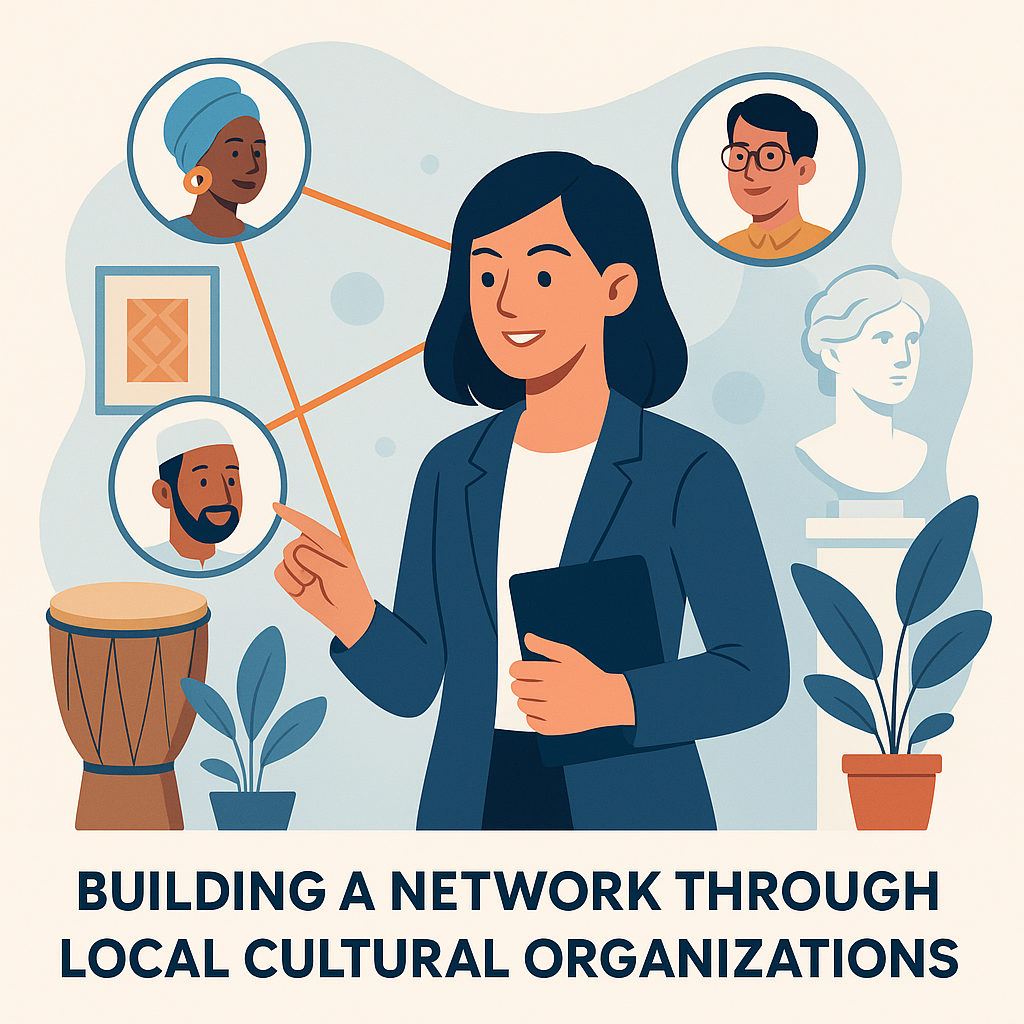
In today’s interconnected world, networking is essential for personal and professional growth. As the realm of networking evolves, one unique avenue stands out: local cultural organizations. These organizations serve as bridges to diverse communities and provide profound opportunities for communication, collaboration, and career development. By engaging with local cultural groups, individuals not only broaden their horizons but also foster meaningful relationships that can have far-reaching impacts. The term “local cultural organizations” refers to community-based groups focused on art, history, music, or other cultural practices. They are pivotal in preserving heritage, promoting cultural exchange, and enriching local culture. Understanding and leveraging these resources can enhance one’s professional network and provide both personal satisfaction and community benefits.
Why do local cultural organizations matter? They are the bedrock of diversity, representing the confluence of different backgrounds, experiences, and perspectives. For individuals seeking to expand their network authentically, these organizations offer unparalleled potential. They not only facilitate personal interactions but also provide collaborative opportunities that transcend cultural and geographical boundaries. Engaging with such organizations allows individuals to tap into multicultural knowledge, gain new insights, and foster connections that could lead to new opportunities. In an increasingly globalized world, understanding and navigating cultural dynamics are vital, making local cultural organizations invaluable allies in this journey.
The Power of Cultural Organizations in Networking
Local cultural organizations serve as unique networking platforms. Unlike generic networking events, interactions within these organizations are steeped in cultural appreciation and mutual interests. Take the example of the “Asian Cultural Center” in New York City. This organization hosts a broad spectrum of events, from traditional dance performances to Asian film festivals. Here, individuals not only witness cultural expressions but also engage with diverse participants, fostering deep, meaningful connections rooted in shared interests. This environment provides participants the chance to connect beyond the surface level, establishing relationships that are both personal and professional.
Moreover, these organizations offer networking opportunities that reflect the diverse populations they serve. Participants can form connections with people from various cultural backgrounds, broadening their understanding and sensitivity toward global cultures. This multicultural networking environment enriches the participants by exposing them to different perspectives and ideas, enhancing their ability to connect with a broader audience and apply these insights in professional settings.
Accessible Platforms for Cultural Engagement
Cultural organizations are incredibly accessible platforms for engagement. They host a variety of events and activities such as workshops, exhibitions, and seminars, tailored for different interests. For example, the “Hispanic Heritage Foundation” frequently holds community gatherings that celebrate Hispanic heritage through storytelling, music, and art. These gatherings not only connect individuals through cultural narratives but also provide platforms for artistic expression and collaboration.
Incorporating oneself into these activities can significantly enhance personal development and professional skills. Participants learn new cultural nuances and gain invaluable experiences, which contribute to their portfolio of skills. Through these events, individuals can develop both hard and soft skills, from communication and collaboration to cultural competency, all of which are highly prized in today’s diverse workplaces. The flexibility and variety of engagement methods make these organizations accessible to everyone, encouraging widespread participation and community involvement.
Real-World Collaboration and Opportunities
The collaboration opportunities presented by cultural organizations are profound and real-world. Many times, these collaborations extend beyond mere cultural appreciation to real-world applications and job opportunities. Consider the “African American Cultural and Heritage Facility” in Austin, Texas. They partner with local businesses, schools, and other organizations to create community-oriented programs that benefit both the organization and its members. Members of such organizations frequently find themselves in advantageous positions for collaborations, jobs, and community projects, owing to the connections and exposure gained through participation.
Here’s a table showcasing examples of potential collaboration opportunities within cultural organizations:
| Organization | Collaboration Type | Benefit |
|---|---|---|
| Asian Cultural Center | Film Festival Production | Skill Development and Networking |
| Hispanic Heritage Foundation | Art Exhibits | Creative Expression and Visibility |
| African American Cultural Facility | Community Programs | Community Impact and Recognition |
Such tangible benefits highlight the strategic value of engaging with cultural organizations for personal and professional growth. By immersing themselves in these collaborative environments, individuals can develop valuable skill sets, gain practical experience, and cultivate influential networks.
Navigating Cultural Sensitivity and Awareness
Cultural organizations not only enrich one’s networking potential but also enhance cultural sensitivity and awareness. Being involved in these organizations requires understanding and respecting cultural nuances and traditions. For example, participating in a “Diwali Festival” event organized by the Indian Cultural Society offers insights into Hindu traditions and customs. Participants learn about the significance of the festival, engage in traditional activities, and even partake in authentic cuisine.
This immersive experience enhances participants’ cultural sensitivity, enabling them to effectively navigate multicultural environments. It equips them with the awareness and understanding needed to engage respectfully and meaningfully with people from diverse backgrounds. By participating in these cultural expressions, individuals are better prepared to handle cultural intricacies in professional settings, thus positioning themselves as culturally competent professionals in a globalized world.
Building Long-Term Relationships
Long-term relationship building is one of the most significant advantages of engaging with cultural organizations. The connections formed within these settings are often deeper and more enduring due to the shared experiences and collaborative environments. Consider the “Chinatown Community Development Center” in San Francisco. Community members engage in local projects, cultural events, and advocacy work, forming bonds that extend beyond a single event or interaction.
These long-term relationships contribute to both personal and professional development. They provide a support network that individuals can rely on for advice, opportunities, and collaborations. This extended network becomes crucial in times of need, offering resources and support that are invaluable in navigating life’s challenges. Consequently, relationships built within cultural organizations often endure the test of time, becoming a source of strength and support.
Embracing Diversity for Broader Impact
Diversity is at the heart of cultural organizations, making it a powerful aspect of networking. The exposure to different cultures, ideas, and perspectives fosters a well-rounded understanding of global societies. Engaging with communities like New York City’s “Global Citizen Forum” introduces participants to a spectrum of cultural narratives and worldviews.
Involving oneself in such culturally diverse networks cultivates inclusivity and challenges preconceived notions. It broadens one’s perspective, making them more effective and empathetic communicators and leaders. This leads to a broader impact, both personally and on a community level, as individuals take these inclusive values into their personal relationships and workplaces, fostering an environment of respect and understanding.
Benefits Reinforced and Getting Started
In conclusion, local cultural organizations offer tremendous opportunities for building networks that are both rich and diverse. The unique blend of cultural appreciation and active participation fosters strong, lasting relationships that transcend traditional networking. By engaging with these organizations, individuals benefit from enhanced cultural competence, increased collaboration opportunities, and genuine connections. These earlier discussed benefits—like real-world collaborations, accessible platforms for engagement, and enhanced cultural sensitivity—are not just perks; they represent powerful tools for personal and professional growth. For anyone eager to expand their network meaningfully, engaging with local cultural organizations is an invaluable step forward.
To get started, identify cultural organizations in your area. Begin by attending events, volunteering, or participating in workshops. Immerse yourself in the activities and engage with community members. Approach these experiences openly and with genuine interest, and over time, the relationships and opportunities will naturally unfold. By taking these first steps, you embark on a rewarding journey of cultural discovery and professional enrichment that promises to propel you forward in both personal and professional realms.
Frequently Asked Questions
1. How can local cultural organizations enhance my networking efforts?
Local cultural organizations can greatly enhance your networking efforts by acting as gateways to diverse communities and creating opportunities for both professional and personal growth. These organizations host various events, workshops, and meet-ups that are perfect for meeting new people who share similar interests or who come from different backgrounds. Engaging with these groups can lead to collaborations and partnerships that you might not have encountered in your usual circles. Additionally, local cultural organizations often emphasize community values, thus they encourage deeper, more meaningful connections. By getting involved, you’re not just expanding your network, you’re gaining access to a wealth of perspectives and experiences that can enrich your own understanding and capabilities.
2. What types of events should I look for in local cultural organizations to maximize networking opportunities?
When looking to maximize networking opportunities through local cultural organizations, it’s important to attend a variety of events, each catering to different aspects of the cultural spectrum. Start with larger events such as cultural festivals or fairs, which typically draw a diverse crowd, giving you broader exposure to different people and cultures. Additionally, look for more intimate settings like workshops or panel discussions, where you can engage in deeper conversations with fewer people, fostering closer connections. Don’t overlook community service projects, as they not only allow you to give back but also to collaborate side by side with others, naturally strengthening relationships. Finally, keep an eye out for special interest groups or clubs within these organizations, targeting specific hobbies or skills, allowing you to connect with individuals who have similar specific interests.
3. How do I approach and interact with new people during these cultural events?
Approaching and interacting with new people at cultural events might feel daunting, but there are effective strategies you can use to make the experience natural and rewarding. Start by doing some pre-event research to understand the organization’s culture and get familiar with current hot topics or issues they may be dealing with. Once at the event, approach people with openness and genuine curiosity. A simple ice breaker is to ask how they became involved with the organization or what they love about the culture being celebrated. Listen actively and engage in conversations with empathy and interest, as this is key to forming lasting connections. Don’t forget to share your own experiences and stories as well; networking is a two-way street, and authenticity can go a long way. Remember to exchange contact details and follow up with a friendly message after the event to solidify the connection.
4. What are the benefits of long-term involvement with a local cultural organization?
Long-term involvement with a local cultural organization offers numerous benefits that deepen over time. Starting with personal growth, continuous engagement allows you to gain a deeper understanding and appreciation for different cultures and perspectives. This can lead to increased cultural literacy and empathy—valuable qualities in both personal and professional realms. On a community level, sustained participation often positions you as an integral part of the organization, providing opportunities for leadership roles or collaborative projects that might not be available to new members. Professionally, the consistent relationships and trust built over time can lead to job opportunities, partnerships, and mentorships. These lasting connections often transcend transactional networking, rooted instead in shared values and contributions to a common cause or passion.
5. How do I choose the right cultural organization to join for networking purposes?
Choosing the right cultural organization to join requires a bit of research and introspection. Start by identifying what aspects of culture or community are most relevant or interesting to you—this could be based on your heritage, your professional field, or a personal interest. Once you’ve narrowed your options, investigate each organization’s goals and activities; look for those that align closely with your personal or professional aspirations. Attend a few of their public events to get a feel for the group’s dynamics, meet existing members, and evaluate the potential for meaningful network expansion. Consider the organization’s size and level of activity—bigger organizations might offer more diverse contacts, while smaller ones might allow for deeper connections. Lastly, think about your availability and how much time you can realistically commit, as greater involvement generally leads to more substantial networking gains.