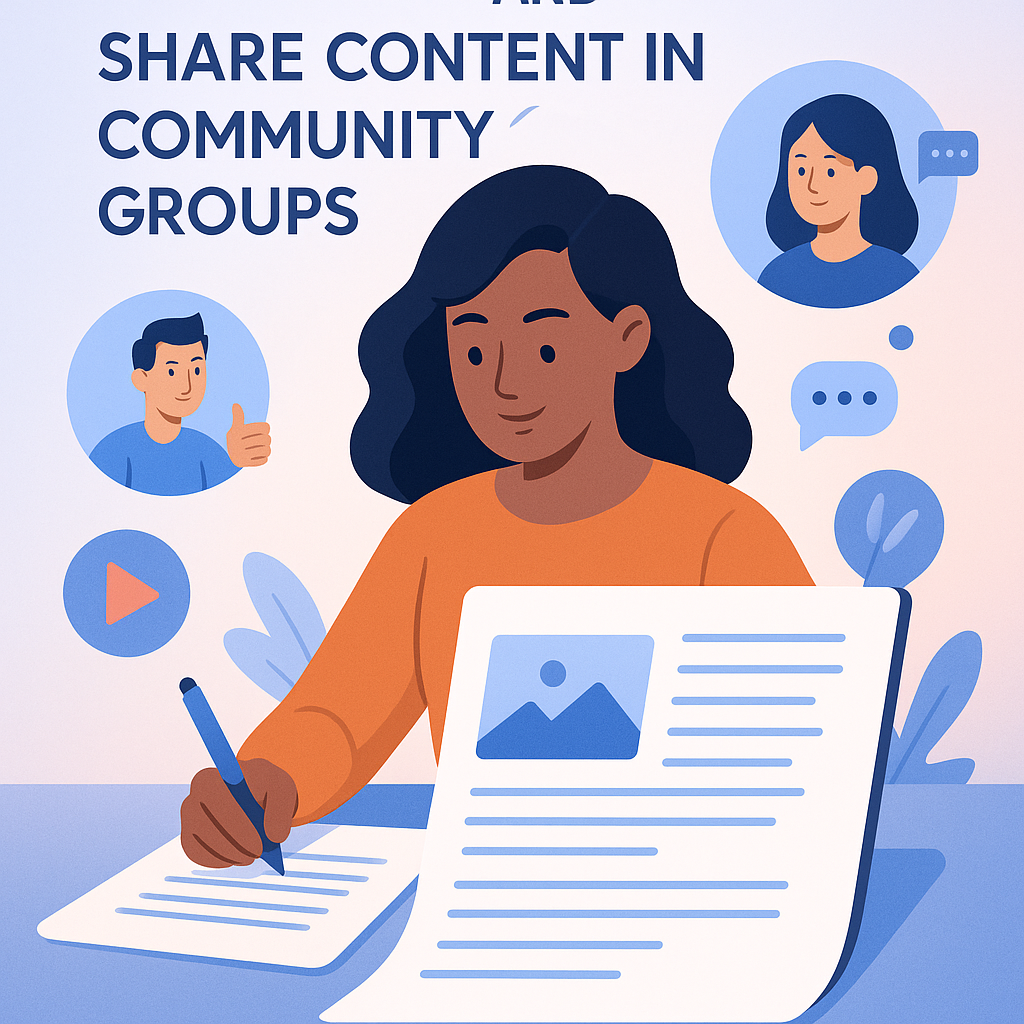
In today’s digital age, creating and sharing content in community groups is a vital skill whether you are an individual eager to grow your online presence or a business aiming to boost audience engagement. Community groups refer to online platforms where people share mutual interests, exchanging ideas on various topics. These can be found on social media platforms like Facebook, LinkedIn, and Reddit, among others. Sharing content in these groups allows individuals and businesses to enhance visibility, foster engagement, and build an authoritative voice within their niche. This article will guide you through the essentials of creating and sharing content effectively.
Understanding the importance of community groups is imperative. Engaging in these spaces enables the sharing of knowledge, encourages networking, and provides opportunities for feedback and growth. Through well-crafted content, individuals and businesses have the power to impact thoughts, spark discussions, and drive change. Hence, mastering the art of content creation and dissemination in community groups is not just beneficial—it is essential for both personal and professional growth.
Recognizing Your Audience
Before diving into content creation, it is crucial to recognize and understand your audience. Knowing who engages with your content helps tailor messages that resonate well with them. Consider a business consulting company aiming to expand its reach within small businesses on LinkedIn groups. By analyzing the demographics, interests, and behaviors of group members, the company can create tailored content addressing specific challenges faced by small businesses, such as financial management or marketing strategies.
Effective audience recognition involves researching and engaging with group members. Participating in discussions, conducting surveys, and analyzing group trends can provide insights into their preferences and needs. This ensures that your content is relevant, engaging, and valuable to the audience.
Crafting Compelling Content
Crafting compelling content involves weaving together information, engagement, and relevance. Content can vary from articles and videos to infographics and podcasts. A food blogger in a culinary Facebook group, for example, might create content that includes recipes, cooking tips, and restaurant reviews. The key is to provide value that is both informative and entertaining.
To create compelling content, focus on clarity and quality. Ensure your information is well-researched, easy to understand, and free of jargon. Use storytelling techniques to captivate your audience, drawing them into the narrative. Visual elements such as images and videos can enhance engagement, making complex information easier to digest. Additionally, call-to-actions prompt your audience to engage with the content, whether through comments, shares, or likes.
Choosing the Right Platform
Not all community groups are created equal, and choosing the right platform is essential for effective content distribution. Different platforms cater to different demographics and interests. For instance, a tech start-up might find more success in a professional network like LinkedIn, while a fashion enthusiast might thrive in visually-driven Instagram communities.
- Facebook: Ideal for a diverse audience with interactive engagement.
- LinkedIn: Best for professional and B2B communication.
- Reddit: An excellent choice for niche communities and discussions.
- Instagram: Effective for visually appealing and lifestyle content.
Once you’ve identified the appropriate platform, adapt your content to meet the platform’s format and user expectations. Pay close attention to the posting guidelines and community rules to ensure adherence and reduce the risk of content removal or account bans.
Engaging with the Community
Engagement is at the heart of successful content sharing. It’s not enough to post content and await interactions passively. Active participation in discussions and responding to comments demonstrate genuine interest and effort, fostering a sense of community and trust. Consider an author sharing excerpts of their book on a literary group on Reddit. By engaging with readers’ feedback and questions, the author can build a loyal readership and gain valuable insights into audience preferences.
To boost engagement, always encourage discussion by asking open-ended questions and inviting varied opinions. Personalize your responses to show appreciation for each group member’s input. Consistency is also key—regular posting and active participation maintain your presence and relevance within the group.
Measuring Content Impact
Measuring the impact of your content is crucial for ongoing improvement and success. Tracking engagement metrics such as likes, shares, comments, and reactions gives insights into what resonates with your audience. For example, a fitness influencer in a health-focused Facebook group can assess which workout tips receive more engagement and tailor future content accordingly.
Leverage analytics tools provided by platforms like Facebook Insights or LinkedIn Analytics to track content performance. Regularly reviewing these metrics helps identify patterns and trends, enabling you to adjust strategies and optimize content for better reach and engagement.
Adapting Strategies for Different Groups
Adapting your content strategy according to the unique dynamics of each community group is vital for success. A strategy effective in a Twitter group may not work in a LinkedIn community. Take a digital marketing specialist who navigates both B2C and B2B groups. Tailoring content to suit each group’s purpose, pain points, and language ensures maximum impact and acceptance.
Experiment with various content types and styles to determine what works best within each group. Solicit feedback actively to refine your approach and remain responsive to evolving community needs. Flexibility combined with keen observation of group dynamics will enhance your content’s effectiveness.
Ensuring Ethical and Respectful Interactions
When creating and sharing content, maintaining ethical standards and respectful interactions is non-negotiable. Upholding integrity and authenticity while respecting members’ opinions fosters a positive group environment. Suppose an environmental activist shares sustainable living tips in an eco-conscious group. Approaching topics respectfully, emphasizing facts over judgment, and being open to different viewpoints can foster constructive dialogue and learning.
Ensure your content respects privacy and intellectual property rights. Always seek permission before sharing third-party content and properly credit sources. Being ethically conscious builds credibility and trust, establishing you as a responsible and respected member of the group.
Summary and Call to Action
Creating and sharing content in community groups is a powerful strategy for building relationships, expanding reach, and establishing authority. By understanding and recognizing your audience, crafting engaging content, choosing the right platforms, encouraging interaction, measuring impact, adapting strategies, and maintaining ethical standards, you can maximize the potential of community groups for personal and professional growth.
As you embark on this journey, remember that consistency and authenticity are your biggest allies. Engage with your community genuinely, remain responsive to feedback, and measure your impact to continuously improve your content strategy. Start by choosing a community group aligned with your interests or business goals, and apply the tips shared here to create meaningful and impactful content. Your active participation and valuable contributions will not only benefit you but also enrich the community you engage with.
Frequently Asked Questions
1. What are community groups and why should I consider sharing content there?
Community groups are online collectives where individuals with mutual interests gather to discuss a wide range of topics. These could be related to hobbies, professional interests, or civic engagements on platforms such as Facebook, LinkedIn, Reddit, and more. Sharing content in these groups is beneficial because it provides the opportunity to connect with others who share your interests or goals, thereby expanding your reach. For individuals, it’s a chance to showcase your expertise and build a personal brand. For businesses, it’s crucial for reaching a wider audience, improving brand recognition, and driving engagement with potential customers. The interaction in such groups typically leads to insightful exchanges, valuable connections, and can even drive traffic back to your own platforms.
2. How do I determine the right content to share in a community group?
Choosing the right content starts with understanding the group’s purpose and its members’ interests. Begin by spending some time observing the group’s dynamics, the type of content that garners engagement, and understanding the group’s rules or guidelines. This helps ensure your content not only adheres to the regulations but also resonates with the group members. Consider whether your content offers value—is it educational, entertaining, inspiring, or engaging? Think about what questions the community frequently asks, what problems they’re trying to solve, or what topics they’re passionate about. Then tailor your content accordingly. It could be a well-written post, an engaging video, an informative infographic, or a thought-provoking question. Always remember, authenticity shines through, and people appreciate content that adds value.
3. How can I effectively engage with community members after sharing my content?
Engagement doesn’t end at sharing content. To effectively connect with community members, stay active and respond promptly to any comments, questions, or feedback your post generates. Show appreciation for both positive feedback and constructive criticism alike. Engaging thoughtfully not only builds your reputation within the group but also deepens connections with its members. Participate in discussions relevant to your post, or new topics you’re passionate about, and offer expertise when applicable. Additionally, asking open-ended questions related to your content encourages dialogue and further engagement from group members. The key is to be respectful, receptive, and genuinely interested in fostering a community spirit. Your presence should feel authentic, not like a forced sales pitch.
4. What are some best practices for creating engaging content for community groups?
Creating engaging content involves a strategic approach. First and foremost, understand the community you are engaging with, and craft content that resonates with their interests and needs. Use a clear, compelling headline to capture attention. Incorporate visuals when applicable—images, gifs, or short videos boost engagement significantly as they are more captivating. Focus on delivering value through storytelling or educating the audience while maintaining a casual tone to make the interaction feel more personal. Additionally, make sure your content encourages interaction—pose questions, invite opinions, or create polls. Consistency is key; stay active regularly but avoid spamming, as over-posting can deter interest. Lastly, meticulously proofread your content for clarity and grammatical accuracy as careless content can undermine credibility.
5. How can I measure the success of my content sharing efforts in community groups?
Success might look different depending on your goals—be it brand awareness, engagement, or driving traffic. To measure it effectively, start by identifying clear objectives. Use metrics like engagement rate (likes, comments, shares), reach (number of people who saw your content), and conversion (actions taken after engaging with your content, like visiting a site or signing up for a newsletter) to assess performance. Pay close attention to feedback within the community—both direct comments as well as the nature of the engagement, which can indicate how well your message resonates. Utilize any available analytics tools provided by the platform to gather data. Furthermore, track whether your group participation is helping achieve broader objectives like enhanced website traffic, increased follower count, or improved brand visibility. Use these insights to refine your content strategy continuously.