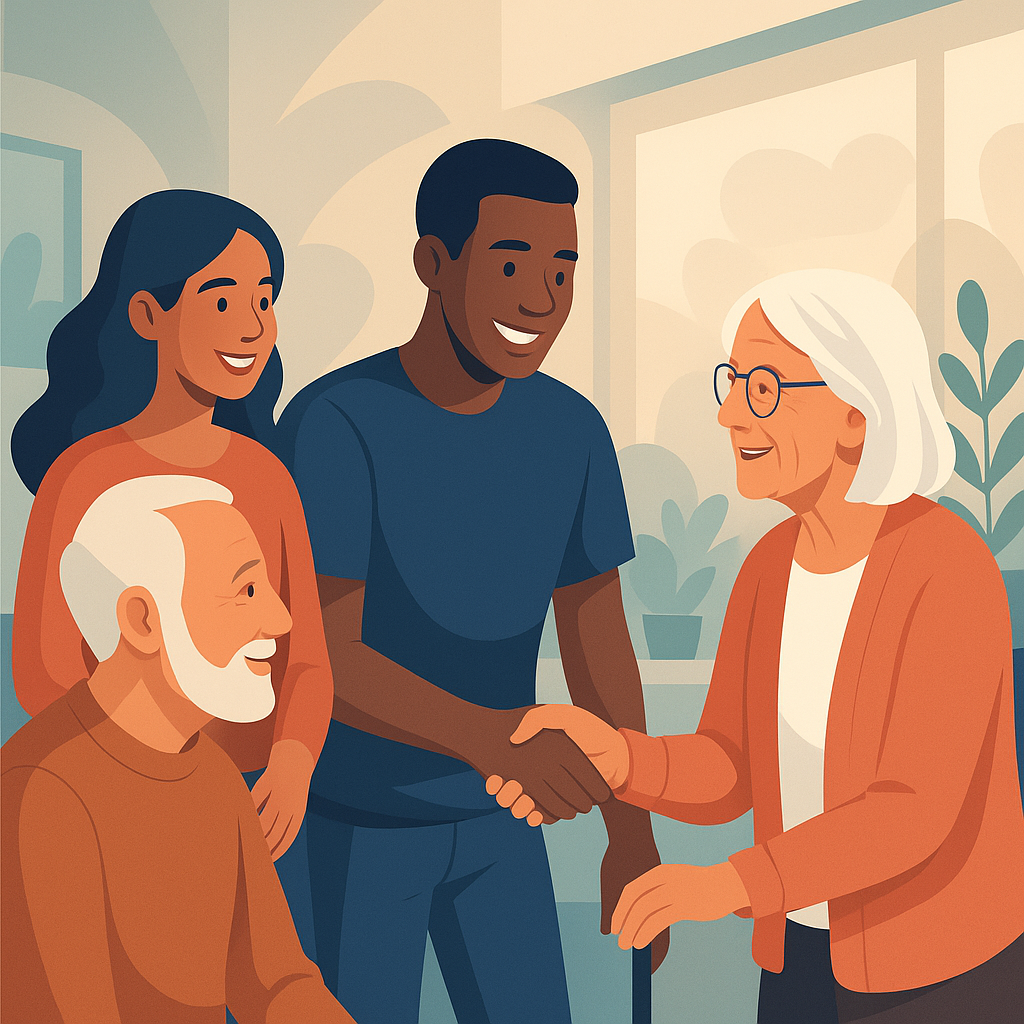
In today’s rapidly evolving world, the need for building cross-generational connections has become more pressing than ever. Cross-generational connections refer to relationships and interactions between different age groups, fostering mutual understanding, learning, and support. This concept is vital in community settings where individuals of varying ages can learn from each other, share experiences, and create a rich tapestry of cultural and social insight. Creating these connections is important because they challenge stereotypes, reduce age-related prejudices, and enhance social cohesion. Not only do they enrich lives and reinvent community dynamics, but they are also key to cultivating inclusive environments where everyone, regardless of their age, feels valued and connected. As we delve into how these connections can be fostered and maintained, it is crucial to understand their significance and the impact they have on both individuals and communities at large.
The Importance of Cross-Generational Communication
One significant aspect of building cross-generational connections is effective communication. Communication serves as the bedrock of understanding and empathy, and it’s critical when individuals from different generations interact. Communication styles can vary widely between generations due to differing experiences, technologies, and worldviews. Younger generations may be more attuned to digital communication methods like texting and social media, while older generations might prefer face-to-face discussions or phone calls. Bridging this communication gap is essential for fostering relationships that transcend age barriers.
A community center in San Francisco undertook an innovative approach to facilitate this bridge by organizing a program called “Conversation Cafes”. This program pairs older adults with younger participants for regular meet-ups to discuss chosen topics ranging from technology trends to historical events. Through these interactions, participants were able to share their perspectives and learn from each other, effectively narrowing the communication gap. The program demonstrated that when both parties are open to adapting their communication styles, meaningful connections can occur, ultimately enriching the community.
Shared Activities as a Bridge
Participating in shared activities is a powerful way to create bonds between different age groups. When individuals engage in joint projects or leisure activities, the focus shifts from their age differences to a common goal or enjoyment, fostering camaraderie and collaborative spirit. Activities such as community gardening, arts and crafts, or even fitness classes can serve as effective platforms for interaction.
The Intergenerational Project in a small town in Minnesota provides a great example. Here, senior citizens and high school students collaborated to create a community garden. This project not only offered a space for interaction but also encouraged the sharing of knowledge about gardening techniques from the seniors and digital solutions for pest control from the students. These shared activities promoted teamwork and understanding, creating a ripple effect that went beyond the confines of the garden into broader community interactions.
Mentorship and Skill Exchange Programs
Mentorship programs offer a structured pathway for individuals to learn from each other, forming connections across generations. These programs can also include skill exchange, where both parties benefit by acquiring new skills that might not be typical of their generation. Mentorship promotes respect and appreciation for different life stages and skill sets.
A wonderful illustration is found in a tech-savvy community in Seattle where retirees with a background in engineering mentor young adults in DIY electronics workshops. In return, these younger participants assist their older mentors with navigating the digital world, teaching skills like social media usage and online banking. This mutual learning environment not only enhances digital literacy but also nurtures meaningful relationships that challenge preconceived generational limitations.
Utilizing Technology to Facilitate Connections
While technology can sometimes widen generational divides, it can also serve as a potent tool for connection. Social media platforms, video conferencing tools, and community apps can bring together individuals who might otherwise never interact. Educating older generations on the use of technology, with the help of younger individuals, can dramatically expand their social circles and resources for engagement.
A local library in Boston launched a “Tech Together” initiative, where teenagers volunteered to teach seniors how to use social media and other online platforms. The program was designed to connect seniors with family members living far away but had the unintended benefit of creating friendships between the teens and their older students. By empowering seniors with knowledge and tools, technology in this instance became an enabler of intergenerational interaction, rather than a barrier.
Creating and Supporting Intergenerational Spaces
Purposefully designed intergenerational spaces encourage spontaneous interactions and the natural development of relationships between people of different ages. Such spaces include community centers, parks, and libraries where activities and facilities are tailored to accommodate a wide age range. Ensuring that these places are welcoming and accessible to everyone is key to their success.
An impressive example can be found in New York City’s program to transform community libraries into intergenerational learning hubs. By hosting activities such as reading sessions, tech help hours, and cultural storytelling events, these libraries have become vibrant centers where people of all ages meet regularly, share experiences, and engage in continuous learning. This intentional design of common spaces as intergenerational meeting points underscores their role as catalysts for connecting generations within community settings.
| Energetic Activities | Reflective Activities | Creative Activities |
|---|---|---|
| Community Gardening | Reading Sessions | Arts and Crafts |
| Fitness Classes | Discussion Groups | DIY Workshops |
| Outdoor Games | Storytelling Events | Writing Clubs |
Involving Generations in Decision-Making
Including voices from all generations in community decision-making processes ensures that the needs and desires of every age group are represented. When people feel heard and valued, they are more likely to develop a sense of belonging and invest in their community.
A practical example is seen in a council in Austin, Texas, where they formed an intergenerational advisory panel. The panel includes representatives spanning different ages, from students to retirees, to guide community projects and local policies. As a result, initiatives now reflect a broader perspective, fostering a community atmosphere where decisions are more inclusive and equitable.
Addressing Age Stereotypes and Building Mutual Respect
Stereotypes about different age groups can hinder effective interactions. Older adults may be stereotyped as resistant to change, while younger individuals might be viewed as inexperienced or disrespectful. By consciously addressing and dismantling these biases, true respect can be cultivated.
An educational campaign called “Through Their Eyes” was launched in Chicago to tackle these stereotypes. Through workshops and awareness activities, participants from various generations were encouraged to step into each other’s shoes. The initiative provided insights into the diverse challenges and strengths each generation possesses, promoting empathy and respect across the spectrum of ages.
Summary and Action Steps
Cross-generational connections are essential for vibrant and cohesive communities. They bridge gaps, foster mutual respect, and create inclusive environments where individuals of all ages can learn and grow together. Effective communication, shared activities, mentorship programs, utilizing technology, creating intergenerational spaces, inclusive decision-making, and challenging stereotypes are practical strategies for fostering these connections. Each approach discussed comes with its own set of benefits and challenges, but the common thread is the necessity of an open-minded approach and commitment to inclusion.
The key takeaway for community organizers and participants alike is that by embracing and nurturing these connections, we enrich our communities, strengthen social ties, and lay the groundwork for a supportive, dynamic future. To implement these practices, communities can start by evaluating existing programs and environments, identifying potential cross-generational activities, and encouraging communication and learning across age groups. Remember, fostering these relationships is a continuous process that evolves with participation and engagement.
For individuals and communities inspired to make a change, the next step is simple: initiate a conversation, propose an inclusive activity, or explore existing opportunities in local community centers. Every small action contributes to a larger movement of connectedness and understanding across generations, building a legacy of unity and shared knowledge for future generations.
Frequently Asked Questions
1. Why is building cross-generational connections important in community settings?
Building cross-generational connections in community settings is crucial for maintaining a harmonious and thriving community. In today’s fast-paced world, generations often become siloed, leading to misunderstandings and a lack of communication. By fostering interactions between different age groups, communities create opportunities for mutual respect and understanding. Younger individuals can learn from the experiences and wisdom of older generations, while older adults can benefit from the fresh perspectives and technological savvy of younger people. These connections promote empathy, reduce age-based stereotypes, and can enhance community resilience. Moreover, when individuals of different ages share experiences and collaborate, they collectively contribute to the cultural and social richness of their community. This interconnectedness often leads to real-world benefits, like improved mental health and increased resources for problem-solving within the community.
2. How can communities effectively create opportunities for cross-generational interactions?
Communities can foster cross-generational interactions through various initiatives and programs. Establishing community centers where individuals of all ages can gather for recreational and educational activities is one effective approach. Programs like mentorship schemes, where older individuals mentor youth and vice versa, can also be invaluable. Organizing events that encourage participation across age groups, such as cultural festivals, workshops, or volunteer projects, can create shared experiences that bridge generational divides. Additionally, utilizing technology to connect different generations—such as creating intergenerational online forums or apps—can also play a significant role. Local governments and organizations should invest in spaces and projects that invite participation and collaboration from all age brackets, ensuring that community activities are inclusive and welcoming for everyone.
3. What are some challenges to building cross-generational connections, and how can they be overcome?
Creating cross-generational connections can be met with a few hurdles. Preconceived notions and stereotypes about age differences can hinder open communication and understanding. For instance, younger generations might perceive older individuals as out of touch or resistant to change, while older generations might view younger people as inexperienced or overly reliant on technology. To overcome these challenges, communities must actively work to dispel these stereotypes through education and awareness programs. Facilitating conversations that highlight the value and contributions of each generation can help bridge the gap. Moreover, logistical challenges, such as mobility issues for older adults or incompatible schedules between generations, can be addressed by ensuring accessibility in all community activities and offering flexible programming times. By acknowledging and addressing these obstacles, communities can work toward more effective and inclusive intergenerational engagement.
4. What benefits do individuals and communities gain from strong cross-generational relationships?
Both individuals and community landscapes thrive when robust cross-generational relationships are established. On a personal level, individuals can experience increased empathy and understanding, leading to stronger interpersonal skills and reduced prejudice. For younger individuals, these connections can offer emotional support, guidance, and a greater sense of identity and understanding of their cultural heritage. Older adults often gain a renewed sense of purpose, stay more physically and socially active, and can experience improvements in cognitive functions. At a community level, these interactions can reduce social isolation, promote unity, and lead to the development of community initiatives that benefit all age groups. Such environments enrich the cultural tapestry of the area, paving the way for sustainable growth and genuine solidarity among community members.
5. How can technology play a role in bridging generational gaps within communities?
Technology offers dynamic tools for bridging generational divides and can be an ally in building cross-generational connections. For instance, social media platforms can enable different age groups to share stories, experiences, and insights, promoting ongoing dialogue and interaction. Communities can also harness technology through virtual meetings or online classes, allowing people of all ages to connect without the limitations of physical distance. Additionally, developing tech-based programs that focus on digital literacy for older adults can encourage their active participation in a digital world, often with younger individuals serving as instructors or guides. This helps diminish the digital divide and encourages mutual learning experiences. Furthermore, engaging community members in creating content—such as digital narratives or documentary projects—can result in shared learning and enhanced understanding among participants from diverse age backgrounds. By integrating technology thoughtfully, communities can foster cross-generational ties and ensure that everyone is included in the digital conversation.