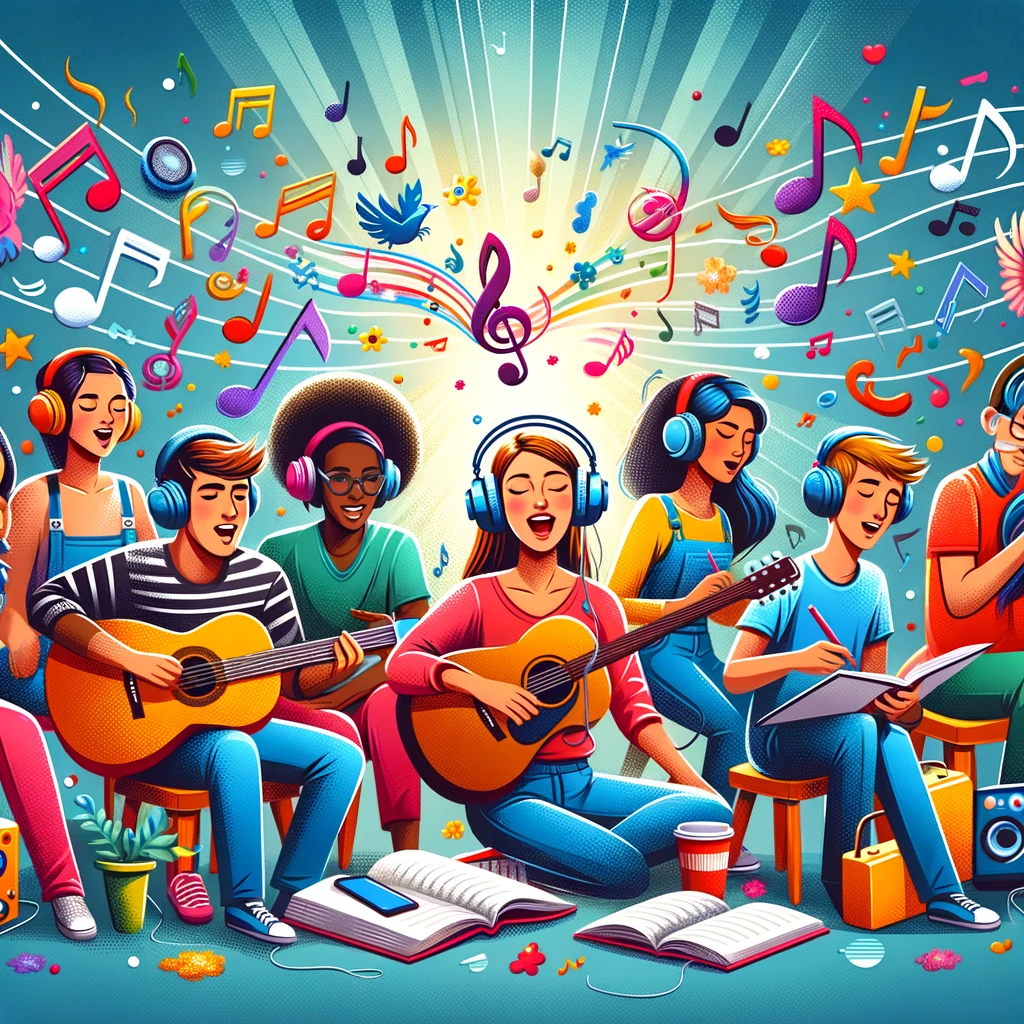
English for book clubs and discussion circles is a practical language skill set that helps learners move from private reading to confident, thoughtful conversation. In this context, a book club is a small group that reads the same text and meets to discuss ideas, characters, themes, style, and personal reactions, while a discussion circle is a broader format that may use essays, articles, poems, short stories, or even audio and video transcripts. The English needed for these settings is not just literary vocabulary. It also includes turn-taking, agreeing and disagreeing politely, asking follow-up questions, summarizing a point, and connecting a text to lived experience.
This matters because book discussions demand a different kind of fluency than casual chat. Learners often read well but struggle when they need to explain why a narrator feels unreliable, compare two characters, or disagree without sounding abrupt. I have seen this gap repeatedly in community classes and workplace reading groups: members come prepared with notes, yet freeze when the conversation moves quickly or when a stronger speaker dominates the room. Focused preparation solves much of that problem. With the right phrases, structure, and reading habits, learners can contribute clearly even when the book itself feels challenging.
Strong discussion English also improves broader communication. It builds precision, because readers must support opinions with examples from the text. It develops listening, because good discussion depends on responding to what someone actually said rather than waiting for a turn to speak. It increases confidence in mixed-level groups, where some members are native speakers and others are not. Most importantly, it turns reading into interaction. A novel or essay becomes a shared object that gives everyone something concrete to discuss, making conversation easier than starting from nothing.
Core language functions every member needs
The most useful English for book clubs is organized around language functions rather than long vocabulary lists. Members need expressions for entering the conversation, giving an opinion, citing evidence, clarifying meaning, and inviting others in. Simple sentence frames work well because they reduce pressure in real time. For example: “My impression was…,” “The scene on page 42 suggests…,” “I interpreted that differently because…,” and “Can you say more about what you mean by…?” These are not classroom clichés. They are the exact structures that keep a discussion moving.
Specificity matters. Instead of saying “I liked the book,” a stronger contribution is “I liked the pacing in the second half because the short chapters increased tension.” Instead of “The character was bad,” say “The protagonist seemed morally inconsistent, especially when she defended honesty but lied to her sister.” This shift from general reaction to supported interpretation is what makes a discussion sound advanced. It also helps listeners respond more easily, because they have a clear point to engage with.
Polite disagreement is equally important. In many groups, learners avoid disagreement because they worry about sounding rude. Useful phrases include “I see it a little differently,” “That’s one way to read it, but I focused more on…,” and “I agree with your point about the theme, though I’m not convinced by the ending.” These forms soften contrast without weakening the idea. They are especially helpful in multicultural groups, where directness norms differ and tone can be misunderstood.
How to prepare before the meeting
Good discussion usually starts before anyone speaks. The best preparation method I have used is a three-part note system: summary, reaction, and evidence. After each reading section, write two sentences summarizing what happened, two sentences explaining your reaction, and one quotation or page reference that supports your view. This gives you material for both factual and interpretive questions. It also prevents the common problem of remembering feelings about a chapter but forgetting the exact moment that caused them.
Annotation helps if it stays selective. Mark passages that reveal character change, conflict, symbolism, narrative voice, or repeated imagery. If every page is highlighted, nothing stands out during discussion. I tell learners to use symbols with purpose: a question mark for confusion, an exclamation point for surprise, a star for major theme, and an arrow for cause-and-effect links. By the time the club meets, these marks become speaking prompts.
Preparation should include key vocabulary, but only the words you are likely to use. For fiction, focus on terms like narrator, setting, conflict, motive, climax, and tone. For nonfiction, prepare language such as claim, evidence, bias, counterargument, and conclusion. If you need extra speaking confidence before the meeting, brief conversational practice helps. One useful warm-up is reviewing question forms and natural openings from a related community guide on small talk in English before a meeting or class, then shifting into the book topic once the group settles.
Questions that produce better discussions
The quality of a book club depends heavily on the questions members ask. Closed questions have value, especially at the start. “Who told the story?” or “Why did the family move?” checks comprehension and helps quieter members enter the discussion. But the strongest conversations come from open, text-based questions that invite interpretation. Examples include “Why do you think the author delayed that information?” “Which relationship changes the most, and what causes the shift?” and “What does the ending resolve, and what does it leave intentionally uncertain?”
Effective questions are concrete, not vague. “What did you think?” is usually too broad. “Did the final chapter change your opinion of the mother?” is better because it narrows focus while still allowing different answers. Questions should also connect form and meaning. Ask not only what happened, but how the writing shaped the reader’s experience. In practice, this means noticing details such as first-person narration, fragmented chronology, or repeated symbols.
| Question type | Example | Why it works |
|---|---|---|
| Comprehension | What event triggers the main conflict? | Builds a shared factual base |
| Interpretation | Why does the narrator hide that detail until later? | Encourages deeper reading |
| Evaluation | Was the ending earned or too convenient? | Invites supported opinion |
| Connection | Which theme feels most relevant today? | Links text to real life |
A practical rule is to bring at least one question from each category. That balance prevents discussions from becoming either a quiz or an unfocused chat. It also gives members with different strengths a way to participate. Some are best at plot recall; others excel at thematic interpretation. A well-designed question set makes room for both.
Managing turn-taking, confidence, and group dynamics
Even strong readers can struggle with live group dynamics. In my experience, the biggest issue is not vocabulary but timing. Members interrupt accidentally, miss their moment, or speak too long because they are nervous. Useful entry phrases solve this: “Can I add something to that?” “I want to go back to your earlier point,” and “Before we move on, I have a question about the second chapter.” These signals are natural and keep contributions connected to the ongoing thread.
For quieter speakers, preparing one “anchor comment” is highly effective. This is a short, well-supported point you know you can deliver early in the session. Once you have spoken once, speaking again becomes easier. For dominant speakers, a good habit is the ratio rule: after making a point, ask a question or invite another voice. “I read that scene as ironic. What did the rest of you think?” Good discussion is collaborative, not performative.
Facilitators should watch for comprehension gaps without embarrassing anyone. If a member seems lost, a quick reset works better than correction. Say, “Let’s briefly recap that chapter,” or “So far we have two readings of the ending.” This keeps the group aligned. Digital tools can help as well. Shared notes in Google Docs, discussion prompts posted in WhatsApp, or vocabulary lists in Quizlet give members support before and after meetings, especially in multilingual communities.
Choosing texts and measuring progress
The right reading material makes discussion English develop faster. A text should be challenging enough to generate ideas but not so difficult that members spend the entire meeting decoding sentences. Short stories often work better than long novels for mixed-level groups because everyone can finish the reading and remember details. Contemporary fiction with clear dialogue is usually easier for speaking practice than highly experimental prose, though advanced groups may benefit from the added complexity.
Nonfiction can be excellent for discussion circles if the topic is narrow and the structure is clear. A well-argued essay gives members obvious points to agree with, question, or test against their own experience. Memoir also works well because it combines narrative and reflection. Whatever the genre, cultural accessibility matters. If a text relies heavily on unfamiliar historical references, slang, or wordplay, the facilitator should provide context in advance.
Progress is measurable. Members improve when they move from short reactions to sustained, evidence-based comments; when they ask follow-up questions naturally; and when they paraphrase others accurately before responding. Record this informally after each meeting. Note whether you cited the text, used new vocabulary correctly, and contributed more than once. Over time, that record shows real growth. The main benefit of English for book clubs and discussion circles is simple: it turns reading into confident public thinking. Choose a manageable text, prepare your notes, and speak up at the next meeting.
Frequently Asked Questions
What does “English for book clubs and discussion circles” actually include?
English for book clubs and discussion circles goes far beyond basic reading comprehension. It includes the language needed to summarize a text clearly, describe characters and relationships, identify themes, react to ideas, compare interpretations, and participate in respectful group discussion. In a book club, learners often need vocabulary for plot, tone, symbolism, point of view, pacing, conflict, and author intention. In a discussion circle, the language may expand to include articles, essays, poems, transcripts, or other media, so participants also need expressions for analyzing arguments, evidence, structure, and relevance.
Just as important, this skill set includes conversational tools. Learners need useful phrases for agreeing, disagreeing politely, asking follow-up questions, inviting others to speak, and clarifying meaning. For example, strong discussion English includes expressions such as “I interpreted that differently,” “Can you explain what you mean by that?” and “One theme that stood out to me was…”. These phrases help learners move from silent reading to active participation. In practical terms, English for these settings is a blend of reading analysis, spoken fluency, listening comprehension, and social communication.
How can English learners prepare for a book club discussion if they are not confident speaking?
The most effective preparation starts before the meeting. Learners should read with a purpose by marking passages that feel important, confusing, surprising, or memorable. Taking short notes while reading can make discussion much easier. A simple system works well: write down one key idea, one question, one favorite quote, and one personal reaction for each reading section. This gives the learner ready-made material to share, even if spontaneous speaking feels difficult. Preparation also helps reduce anxiety because the learner does not need to invent opinions on the spot.
It is also helpful to prepare discussion phrases in advance. Instead of trying to speak perfectly, learners can rely on useful sentence starters such as “I noticed that…,” “I was surprised by…,” “This section made me think about…,” and “I’m not sure I understood…”. Practicing these aloud before the meeting builds confidence and fluency. Learners can also predict possible discussion topics, such as character motivation, the main message, or whether they liked the ending, and rehearse short answers. Even preparing just three comments and two questions can make a major difference.
Another smart strategy is to focus on participation, not performance. In a good book club or discussion circle, the goal is not to sound academic or flawless. The goal is to contribute meaningfully. Asking a thoughtful question is just as valuable as giving a long opinion. Listening actively, responding to others, and building on previous comments are all signs of strong communication. Confidence usually grows when learners realize they do not need perfect grammar to have a worthwhile perspective.
What are the most useful English phrases for participating in a book club or discussion circle?
The most useful phrases are the ones that help learners enter, develop, and manage conversation smoothly. To share an opinion, phrases like “I think the author is suggesting that…,” “My impression was…,” and “From my perspective…” are especially useful. To refer to the text, learners can say “In the opening chapter…,” “There’s a passage where…,” or “The speaker seems to imply…”. These expressions help participants sound clear and organized while keeping their comments connected to the material being discussed.
For interaction, learners need language for agreement and disagreement that sounds natural and respectful. Good examples include “I agree to some extent,” “That’s a good point,” “I see it differently because…,” and “I’m not completely convinced by that interpretation.” These phrases are important because discussion circles are collaborative, not competitive. The ability to disagree politely is one of the core communication skills in this setting. It allows deeper discussion without creating tension or shutting others down.
Questioning language is equally important. Strong participants often ask “Why do you think that character acted that way?”, “What do you make of the ending?”, “Do you think the author intended that contrast?”, or “How did you interpret that section?” These questions keep the discussion moving and invite multiple viewpoints. Finally, learners benefit from phrases that help manage real-time conversation, such as “Can I add something to that?”, “I lost my place for a moment,” “Could you repeat that?”, and “I’m trying to say that…”. These practical expressions make participation feel much more accessible and natural.
How is a discussion circle different from a traditional book club in terms of English skills?
A traditional book club usually focuses on one shared text, often a novel, memoir, or short story collection. Because of that, the English used tends to center on literary discussion: plot development, character relationships, emotional reactions, themes, setting, symbolism, and writing style. Learners need to explain how they understood the text, support their opinions with examples, and respond to other interpretations. The conversation often moves between concrete details and broader meaning, so participants practice both descriptive and analytical English.
A discussion circle is often more flexible and may use articles, essays, poems, speeches, transcripts, interviews, or multimedia-based content. This changes the language demands. Instead of discussing only character and story, learners may need to summarize arguments, evaluate evidence, compare viewpoints, identify bias, or discuss social and cultural relevance. In these settings, English becomes more varied because participants may shift between personal response, critical analysis, and general conversation about real-world issues.
That said, both formats rely on several core skills: expressing an idea clearly, listening carefully, asking meaningful questions, and engaging respectfully with different opinions. The main difference is range. Book clubs often emphasize literary language, while discussion circles may require a broader toolkit that includes analytical, argumentative, and reflective English. Learners who practice both usually become stronger speakers because they learn to discuss not only what a text says, but also how it works and why it matters.
What is the best way to improve English for deeper, more thoughtful literary discussion?
The best way to improve is to combine regular reading with active speaking practice. Learners should not only read texts, but also stop to reflect on them. Asking questions such as “Why is this scene important?”, “What changed here?”, “What might the author want the reader to notice?”, and “Do I trust this narrator?” trains the mind to think more critically. This kind of reflection builds the substance needed for better discussion. Without ideas, even fluent speaking can feel empty; with ideas, even simple English can become powerful and engaging.
Keeping a reading journal is especially effective. After each reading session, learners can write a short summary, note an important quote, describe a theme, and record a personal reaction. Over time, this builds vocabulary and helps learners notice patterns in how they talk about texts. It also makes it easier to move from private thought to spoken conversation. When learners regularly practice turning reactions into words, they become more precise, expressive, and confident during live discussions.
It also helps to study the language of interpretation itself. Words and phrases like “motivation,” “contrast,” “foreshadowing,” “narrative voice,” “underlying message,” “ambiguous,” and “open to interpretation” allow learners to discuss texts at a more sophisticated level. At the same time, deeper discussion does not require sounding overly formal. The strongest participants are often the ones who speak clearly, support their views with examples, and stay curious about other perspectives. Consistent practice with reading, note-taking, vocabulary, and discussion is what turns English for book clubs and discussion circles into a genuine, real-world communication skill.