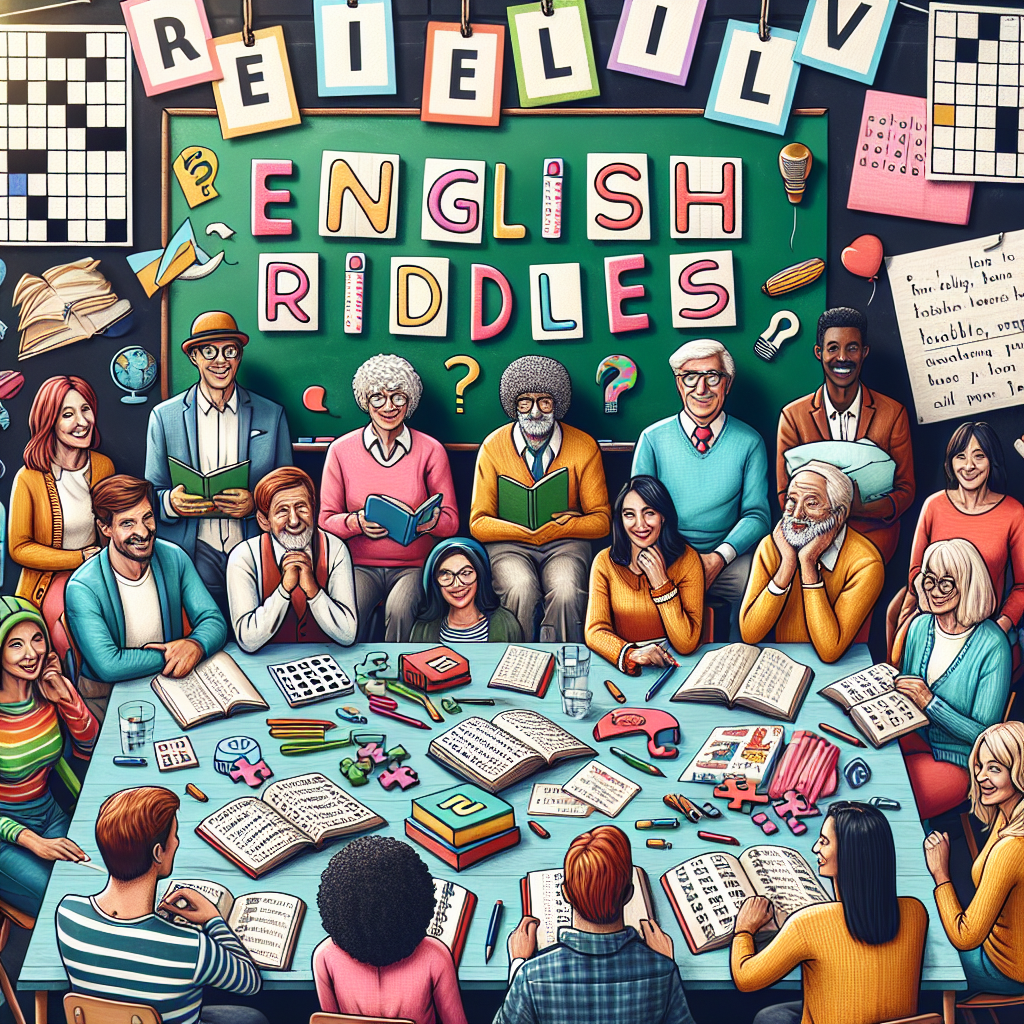
In the realm of language education, the establishment of a thriving English as a Second Language (ESL) community is paramount for fostering an environment conducive to learning and cultural exchange. This comprehensive guide aims to provide educators, students, and language enthusiasts with effective strategies to build a supportive and dynamic ESL community. By integrating collaborative learning techniques, cultural inclusivity, and technological tools, this guide will serve as a beacon for those endeavoring to enhance their ESL teaching and learning experience.
Understanding the Essence of an ESL Community
An ESL community is more than a group of individuals learning a language; it’s a vibrant ecosystem where learners, teachers, and cultural enthusiasts converge to share, explore, and grow. This community thrives on the pillars of mutual respect, cultural diversity, and a shared love for language learning. Within this space, members not only improve their language skills but also gain an appreciation for different cultures and perspectives, enriching their personal and professional lives.
Creating an Inclusive Environment
Embracing Cultural Diversity
In an ESL community, cultural diversity is its heartbeat. Encourage members to share their cultural backgrounds and experiences. This can be done through themed cultural days, sharing traditional cuisines, or storytelling sessions. Such activities foster a deeper understanding and appreciation among members, making the ESL community a melting pot of cultures.
Safe and Supportive Atmosphere
A supportive environment where every member feels safe to express themselves without fear of judgment or ridicule is crucial. Establishing ground rules that promote respect and empathy goes a long way in building trust and openness within the community.
Collaborative Learning Strategies
Group Activities and Discussions
Incorporate group activities that require collaboration and communication. Activities like role-plays, group discussions, and team projects not only enhance language skills but also build a sense of camaraderie among learners.
Peer-to-Peer Tutoring
Create a buddy system where more advanced learners can mentor beginners. This peer-to-peer approach is beneficial for both parties, as it reinforces the mentor’s knowledge and provides personalized support to the mentee.
Utilizing Technology
Online Platforms and Social Media
Leverage technology to create virtual meeting spaces. Online forums, social media groups, and video conferencing tools can help members stay connected and engaged, regardless of physical distances. These platforms can host virtual language exchanges, webinars, and cultural presentations.
Language Learning Apps and Resources
Introduce members to various language learning apps and online resources. These tools offer flexible learning opportunities and can complement traditional teaching methods. Encourage sharing of useful apps and websites within the community.
Community Engagement and Real-World Practice
Language Exchange Events
Organize language exchange events where members can practice speaking with native speakers or advanced learners. This real-world practice is invaluable for developing conversational skills and building confidence.
Volunteering and Community Outreach
Engage the community in volunteering opportunities where English can be used in real-life contexts. Activities like teaching English to underprivileged communities or participating in cultural festivals can be both fulfilling and educational.
Professional Development and Networking
Workshops and Seminars
Host workshops and seminars on topics such as advanced grammar, public speaking, or career-oriented language skills. These events not only enhance language proficiency but also provide valuable networking opportunities.
Guest Speakers and Cultural Experts
Invite guest speakers, such as authors, educators, or cultural ambassadors, to share their experiences and knowledge. These interactions can inspire and provide new insights into the language and its cultural nuances.
Continuous Improvement and Feedback
Regular Assessments and Feedback Sessions
Implement regular language assessments to monitor progress. Feedback sessions can help in understanding the needs and preferences of community members, allowing for continuous improvement of activities and teaching methods.
Encouraging Open Communication
Create channels for open communication where members can voice their opinions and suggestions. This feedback is essential for adapting and evolving the community to better meet the needs of its members.

Fostering Lifelong Learning and Motivation
Lifelong Learning Culture
Encourage the mindset of lifelong learning within your ESL community. Highlight the importance of continuous language improvement and personal growth. Facilitate book clubs, language challenges, and encourage participation in local and online courses. These activities not only enhance language skills but also instill a love for learning that transcends the classroom.
Motivational Strategies
Keep the community motivated by celebrating achievements, however small they may be. Organize regular award ceremonies or recognition events to acknowledge members’ progress and contributions. Use motivational speakers and success stories to inspire and maintain enthusiasm for learning English.
Integrating Technology for Enhanced Learning
Interactive Online Learning Tools
Further integrate technology by using interactive learning tools such as language learning games, virtual reality experiences, and online quizzes. These tools make learning fun and engaging, especially for younger learners or those who are tech-savvy.
Online Language Clubs and Forums
Create or join online language clubs and forums that allow members to interact with a broader audience. These platforms can provide additional resources, networking opportunities, and exposure to different accents and dialects.
Building Partnerships and Collaborating with Other ESL Communities
Forming Partnerships
Build partnerships with other ESL communities, schools, or organizations. These collaborations can lead to exchange programs, joint events, and sharing of best practices. Such partnerships not only broaden the horizon for members but also bring in fresh ideas and perspectives.
Collaborative Projects
Initiate collaborative projects with other communities, such as international cultural festivals, online conferences, or joint research projects. These initiatives promote cultural exchange and provide a platform for members to showcase their skills and knowledge.
Embracing Technology in Administration and Management
Efficient Management Tools
Utilize management tools for scheduling, attendance tracking, and organizing resources. Tools like Google Classroom, Trello, or Slack can streamline administrative tasks, allowing more focus on community engagement and learning activities.
Digital Platforms for Resource Sharing
Create a digital library where members can access and share learning materials. Platforms like Dropbox or Google Drive can be used to store and distribute worksheets, audio clips, e-books, and video resources.
Promoting Inclusivity and Accessibility
Accessibility for All Learners
Ensure that your ESL community is accessible to everyone, including those with disabilities. Provide materials in various formats (audio, braille, large print), use accessible websites, and create an environment where everyone feels welcomed and able to participate fully.
Inclusive Language and Practices
Be mindful of using inclusive language and practices that respect all members’ backgrounds, abilities, and identities. This inclusivity fosters a sense of belonging and respect, which is vital for a harmonious community.
Evaluating and Adapting
Continuous Evaluation
Regularly evaluate the effectiveness of community activities, teaching methods, and member engagement. Surveys, interviews, and discussion forums can provide valuable insights into what works and what needs improvement.
Adaptability and Flexibility
Be open to change and adapt based on feedback and changing needs. The ability to pivot and incorporate new ideas or approaches is crucial for the long-term success and relevance of the community.
Conclusion
Creating and nurturing a successful ESL community is a multifaceted endeavor that requires commitment, creativity, and a deep understanding of learners’ needs. By fostering an inclusive environment, leveraging technology, promoting lifelong learning, and continuously adapting to change, you can build a vibrant and effective ESL community. This community not only aids in language acquisition but also becomes a space for cultural exchange, personal development, and lasting connections. Embrace these tips and strategies, and watch as your ESL community transforms into a thriving hub of learning and collaboration.