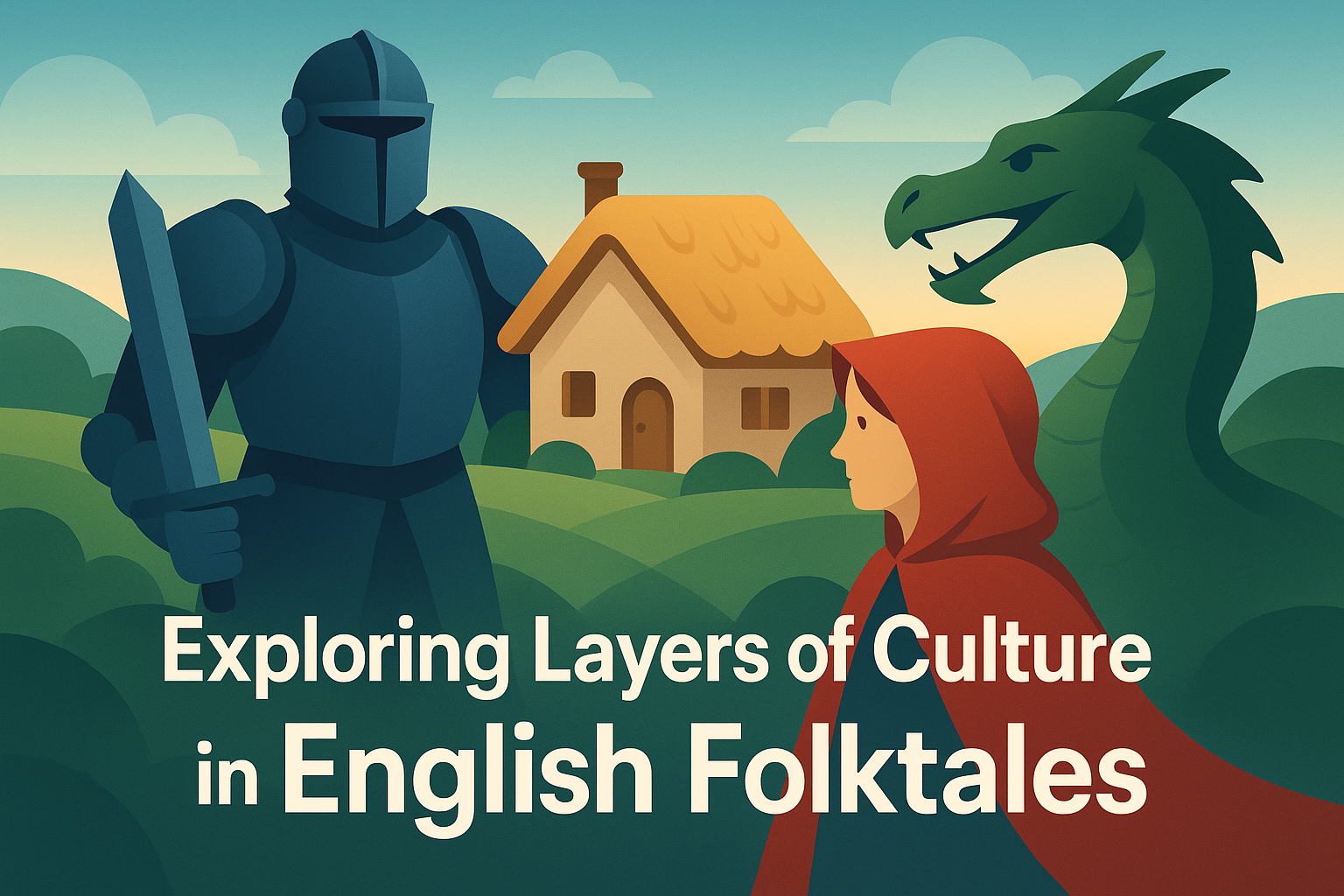
Folktales have always fascinated people across the globe. These narratives, handed down through generations, offer a way to understand cultural values, historical contexts, and societal norms of the time. English folktales, in particular, are rich in lore, characters, and themes that speak volumes about the culture from which they originated. But what layers of culture do these stories unveil? And why is it important to delve into them? By exploring the cultural layers in English folktales, we can gain insights into the values, beliefs, and traditions of English society and understand how these narratives have shaped modern storytelling.
A folktale is typically a story passed orally among a community, serving as both entertainment and a way to preserve cultural heritage. Throughout history, English folktales have evolved, adapting new characters and morals while maintaining timeless elements. These tales often showcase the struggle between good and evil, reflect societal values, or highlight peculiar local customs. Understanding the layers of culture embedded in English folktales offers an enriched appreciation of both ancient and contemporary English culture and gives us tools to analyze modern narratives influenced by these traditional stories.
The Backdrop of Historical Context
The historical context in which an English folktale is set often reveals much about the time and place. Many folktales were shaped by the societal structures, political climates, and prevailing concerns of their era. For example, the tale of “Robin Hood,” which speaks of a heroic outlaw who steals from the rich to give to the poor, reflects values of justice and social equality. This story, which has been retold in countless versions, can be traced back to a time of political unrest and class struggle in medieval England.
The story of Robin Hood is not just a thrilling tale of adventure but a commentary on the social injustices of the time. The repeated references to corrupt officials and a benevolent outlaw hero defending the downtrodden resonate with a society divided by wealth and power. By examining the historical backdrop of such tales, one can better appreciate how they served to critique societal norms and offer hope for change, thus underpinning the role of folktales in cultural preservation and moral instruction.
The Role of Mythical Creatures
Mythical creatures often play central roles in English folktales, symbolizing various human fears and desires. Stories abound with mythical beings like fairies, giants, and dragons, each symbolically representing different aspects of the human psyche or natural world. The presence of these creatures provides a canvas on which cultural fears and moral lessons are painted.
Consider the tale of “The Laidly Worm of Spindleston Heugh,” which tells of a princess turned into a dragon by a jealous stepmother. The transformation into a fearsome worm reflects themes of envy, transformation, and redemption, while simultaneously enriching the lore with the mystical presence of a dragon. Such stories allow readers to explore complex emotions and ethical dilemmas within the safety of a fantastical narrative framework. Ultimately, mythical creatures in folktales serve as conduits for expressing deep-rooted cultural themes and moral questions.
Social Norms and Gender Roles
English folktales often reflect and reinforce the social norms and gender roles of their time. These stories act as cultural mirrors, portraying the expected behavior and societal roles of men and women in historical England. Examination of these tales unveils how ideas of duty, family, and gender have evolved over time.
For instance, the tale of “Cinderella,” widely known in its various renditions, highlights the theme of virtue rewarded. The protagonist, Cinderella, embodies patience, kindness, and humility, contrasted against the wickedness and vanity of her stepsisters. Through this narrative, the tale imparts lessons about the virtues deemed desirable in women, while simultaneously critiquing the societal expectations placed upon them. By understanding this layer, we gain insight into how these stories influenced and were influenced by the gender dynamics of their time, providing a lens through which modern gender studies can analyze past societal norms.
Relationship with Nature and Environment
Many English folktales reveal a deep connection between humans and their natural environment, emphasizing the cultural importance of nature and its cycles. Characters often interact with nature, symbolizing the balance and tension between humanity and the natural world.
The tale of “Jack and the Beanstalk” illustrates this connection through Jack’s interactions with the giant beanstalk connecting the earth to the realm of the giants. The story serves as an allegory about the natural world’s dangers and bounties, underscoring humanity’s dependency on—and dominion over—nature. Such tales often carried implicit warnings about respecting nature’s boundaries, offering wisdom about the environment that remains relevant today.
Moral Lessons and Ethical Values
Each folktale from England carries within it a moral lesson or ethical value, often emphasizing virtues such as honesty, bravery, kindness, or industriousness. These tales have acted as didactic tools, teaching generations about the essentials of good living and community harmony.
The story of “The Tortoise and the Hare,” although commonly associated with Aesop, also found its way into English folklore, emphasizing the virtues of perseverance and slow, steady progress over arrogance and haste. Such tales go beyond mere entertainment, instructing listeners in a fundamental humanistic philosophy, which remains pertinent across ages and cultures.
Other tales use humor and wit to illuminate the follies of human nature, as seen in “The Wise Men of Gotham,” portraying villagers pretending madness to avoid royal visits. Stories such as these underscore societal values of intelligence and cunning, providing rich material for reflection on human behavior.
Table of Common Themes in English Folktales
| Theme | Example Tale | Key Message |
|---|---|---|
| Justice | Robin Hood | Challenge against corruption and inequality. |
| Transformation | The Laidly Worm | Overcoming adversity and achieving redemption. |
| Virtue | Cinderella | Praise for humility and kindness despite adversity. |
| Harmony with Nature | Jack and the Beanstalk | The balance between risk and reward with nature. |
| Perseverance | The Tortoise and the Hare | Endurance and consistency triumph over arrogance. |
Conclusion: Embracing the Past to Understand the Present
Exploring the layers of culture within English folktales provides us with a deeper understanding of the past and its influence on the present. These narratives not only entertain but serve as a cultural map that outlines historical contexts, societal structures, and moral teachings. By recognizing the instances of justice, societal expectations, environmental respect, and ethical conduct within these tales, we unlock powerful narratives that engage both young and old. These stories remain an integral part of English cultural heritage, offering timeless wisdom that is still applicable today.
The journey through the cultural tapestry of English folktales encourages us to appreciate the depth and complexity of storytelling and its pivotal role in shaping societal values. Appreciating and analyzing these stories provide valuable insights into our shared humanity and the ways our ancestors sought to understand their world. As readers and storytellers, exploring these folktales becomes a journey of self-discovery, leading to greater cultural awareness and understanding. Next time you encounter an English folktale, consider the nuanced layers beneath its surface, and let it guide you through the rich cultural tapestries woven throughout the ages.
Frequently Asked Questions
1. What cultural values are reflected in English folktales?
English folktales often reflect the core cultural values that were important to the society at the time they were created. These stories frequently emphasize the themes of justice, bravery, wisdom, and morality. For instance, tales like “Robin Hood” champion ideas of fairness and the redistribution of wealth, reflecting societal values of mercy and justice. In older tales, you might find an emphasis on the importance of community and helping one’s neighbor, which highlights the societal norm of collective responsibility prevalent in those times.
The tales also embody moral lessons that serve as guidance for behavior, such as the triumph of good over evil and the value of hard work and perseverance. The presence of supernatural elements often signifies an acknowledgment of forces beyond human control, pointing to a cultural openness to mystical ideas and the influence of Celtic and pagan traditions in shaping English narratives.
2. How do historical contexts influence English folktales?
English folktales are a rich tapestry woven from the threads of historical events and societal changes. These tales offer a glimpse into the societal fabric of the times, where historical events and shifts in power could dramatically influence storytelling. During periods of political upheaval or social change, folktales may serve as both a reflection and a critique of the current state of affairs.
For example, during the Norman Conquest or the repression under various monarchies, tales could morph into allegories of resistance or hope. Legends like “King Arthur” and the Knights of the Round Table draw heavily on chivalric ideals that were particularly resonant during the Middle Ages. Moreover, the myths surrounding Saxon heroes often reflected nationalistic fervor during times of foreign domination, while stories about witches and magic highlight periods of superstition and religious fervor.
3. In what ways do English folktales depict societal norms of their time?
English folktales serve as cultural mirrors that reflect the expected societal behaviours, norms, and roles of their times. Characters often embody the traits that society valued; heroes are brave and just, while villains are deceitful or greedy. Gender roles are also often explored through folktales, with male characters frequently portrayed as warriors or protectors and female characters as caretakers or wise figures, although there are exceptions where women take central, powerful roles.
Furthermore, tales such as those involving cunning animals or jesters often articulate a societal fascination with intelligence and wit, qualities that were highly admired. The rewards and punishments meted out in these stories reinforce the norms of right and wrong, often showing that those who abide by society’s expectations are rewarded, while deviators face severe consequences. These stories not only entertain but also educate listeners about societal expectations and values.
4. Why is it important to explore the cultural layers in English folktales?
Exploring the cultural layers in English folktales is crucial for understanding the collective psyche of past generations. By delving into these narratives, we gain insight into how people from different epochs perceived the world around them and what they held dear. This exploration allows us to trace cultural continuities and changes over time and provides a deeper appreciation for the shared human experience.
Additionally, by examining these layers, we can see how cultural narratives influence identity and societal values in today’s world. Folktales have the power to bring insight into ethnic pride, historical identity, and moral reasoning. They remind us of our shared history and traditions, and their interpretation can shed light on contemporary issues by revealing underlying cultural patterns and beliefs. This exploration not only enriches our understanding of literature but also enhances our appreciation for cultural diversity and continuity.
5. How do characters and themes in English folktales embody cultural symbolism?
Characters and themes in English folktales are deeply woven with cultural symbolism that transcends mere storytelling. Archetypal characters like the hero, the trickster, and the wise old sage are imbued with symbolic meanings pertinent to the society’s ideals and fears. Heroes often symbolize the moral and physical ideals societies strive towards, embodying virtues like courage, honor, and resilience.
Themes like the battle between good and evil, quests for justice, or the triumph of the underdog are found throughout these tales and highlight the struggles embedded in the human condition. Certain motifs, such as the enchanted forest or magical artifacts, serve as symbols of mystery and awakening. Animal characters often carry symbolic meanings too—foxes might represent cunning, while lions symbolize strength or nobility. The recurrence of these symbols across different tales signifies a shared cultural vocabulary, deftly instructing and warning its audience through rich allegory and metaphor.