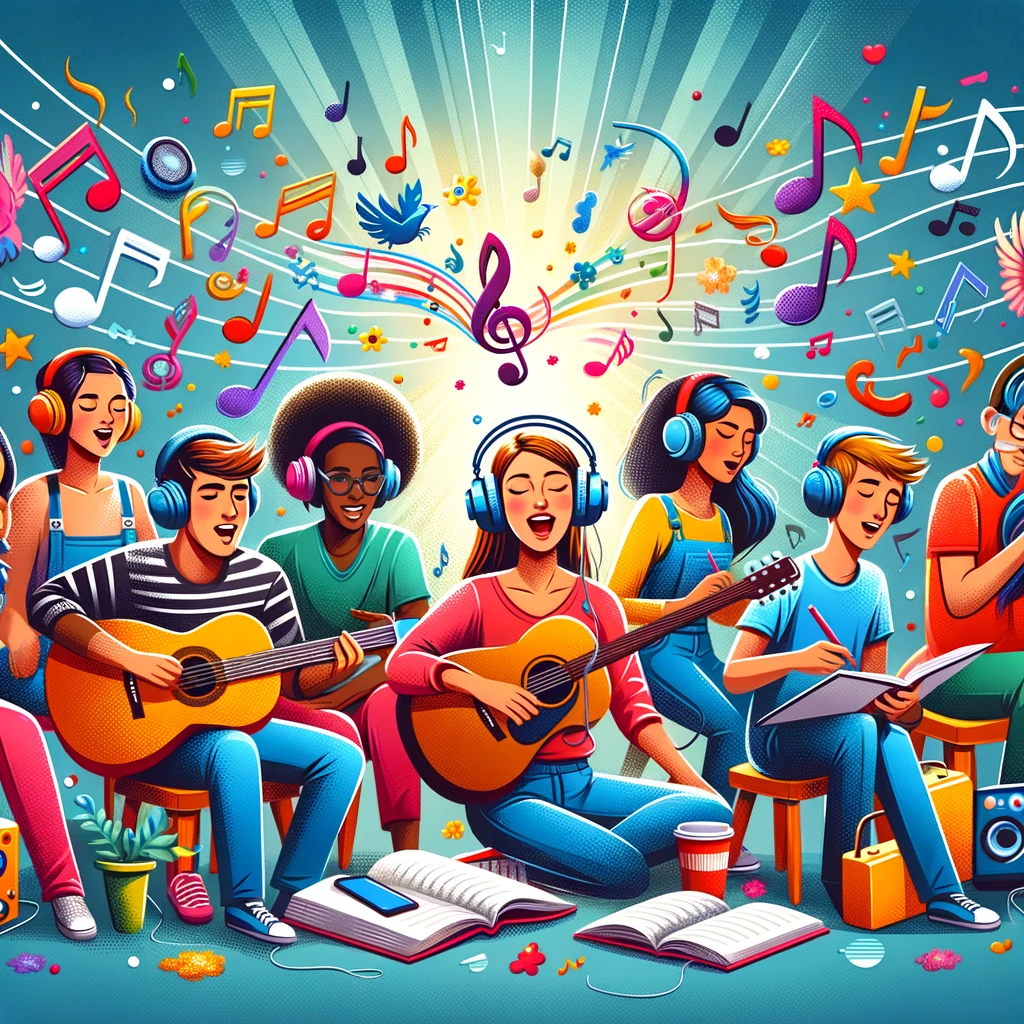
Music serves as a universal language that transcends cultural and linguistic barriers. Through the mellifluous strains of music, individuals across the globe can experience the nuances and flavors of diverse cultures. English music, predominantly due to its global reach and profound influence, provides a rich tapestry of cultural narratives and traditions from around the world. Whether it’s the infusion of different musical instruments, the adoption of traditional rhythms, or the lyrical storytelling that reflects varied cultural values, English music opens a window to the world. In this article, we will explore how learning about world cultures through English music can enhance our understanding of different societies, foster global unity, and promote a deeper appreciation for the rich tapestry of human expression. By delving into the historical influences, cross-cultural collaborations, and global impact of English music, we aim to unravel the intricate connections between music and the diverse cultures it represents.
With cultural identities woven deeply into melodies and lyrics, music offers a powerful medium for both preserving traditions and bridging cultural gaps. For many, it serves as an entry point into learning about and appreciating the customs, histories, and values of different communities around the globe. English music, as a part of popular culture, is uniquely positioned to amplify these cultural expressions on a global scale. From the heartfelt lyrics of folk music to the energetic beats of contemporary pop, English music encompasses a wide range of genres, each with its own cultural elements and stories to tell. By examining these influential genres and their cultural roots, we can better appreciate the diversity and complexity of global societies and their contributions to the music industry.
Through this discourse, we will embark on an exploration of how English music not only entertains but also educates and enlightens its audience. By blending traditional themes with modern elements, musicians are able to craft sounds that resonate across cultures, offering listeners an immersive experience of different worlds. As we dive deeper into the significance of cultural understanding through English music, we aim to uncover the essential role it plays in encouraging empathy, tolerance, and appreciation for the world’s myriad cultures.
Historical Influences on English Music
To comprehend the intricate relationship between world cultures and English music, one must first understand the historical influences that have shaped the genre. The evolution of English music has been significantly impacted by various cultural exchanges over the centuries. For instance, during the British Empire’s expansion, exposure to diverse cultures led to the incorporation of foreign musical elements into English compositions. Instruments like the sitar from India or the djembe drum from Africa found their way into English music, creating fusion genres that reflect a rich blend of cultural influences.
The transatlantic slave trade played a pivotal role in introducing African rhythms and instruments to the Western world, particularly through the blues and jazz genres. These influences are deeply embedded in the roots of rock and roll, an iconic style birthed in the mid-20th century. As artists like The Beatles and The Rolling Stones emerged, they drew inspiration from American blues, inherently adopting and popularizing elements that were initially part of African culture. This cross-pollination highlights how historical events facilitated cultural amalgamations in music, offering listeners insight into a tapestry of global traditions.
Cross-Cultural Collaborations
English music has witnessed a dynamic evolution through cross-cultural collaborations, where artists from different backgrounds come together, blending distinct musical styles and traditions. These collaborations not only culminate in unique sounds but also serve as powerful mediums for cultural exchange. The fusion of reggae with punk rock in the late 1970s, for instance, gave rise to subgenres that reflected both Jamaican and British youth cultures. Bands like The Clash exemplified this trend, using their platform to address social issues reflective of both cultures.
More recently, collaborations between western artists and musicians from non-Western cultures have become increasingly prevalent. Projects like Paul Simon’s “Graceland,” which featured South African musicians, brought global attention to the complexities and beauty of African harmonies, rhythms, and instruments. These partnerships often lead to groundbreaking albums that not only captivate audiences worldwide but also foster mutual respect and understanding between differing cultures.
Global Impact and Cultural Representation
The global proliferation of English music has had an undeniable impact on cultural representation. As one of the most widespread languages, English serves as an accessible medium for artists to share cultural narratives with a global audience. Pop icons like Adele, Ed Sheeran, and Taylor Swift have used their music to tell personal and culturally embedded stories, resonating with listeners from diverse backgrounds.
Furthermore, the global reach of English music platforms like Spotify and YouTube has facilitated the exchange of cultural ideas. These platforms encourage the discovery and promotion of music from all corners of the globe. Artists from non-English-speaking countries often cover popular English songs, infusing them with their cultural essence, thereby bridging cultural and linguistic divides. This style of rendition not only showcases the adaptability of English music but also highlights the vast cultural diversity it embraces.
Music as a Tool for Cultural Education and Promotion
English music serves as a valuable educational tool for understanding different cultures. By incorporating elements from a wide variety of global traditions, it allows listeners to experience diverse cultural expressions. Educational institutions around the world utilize English music to enhance language and cultural studies, providing learners with an engaging way to experience world cultures. Through song lyrics, students gain insight into societal norms, historical events, and cultural values of different communities.
Moreover, the music industry plays a crucial role in promoting cultural tourism. Themed music festivals, such as the Glastonbury Festival in the United Kingdom or Lollapalooza in the United States, attract audiences from across the world, offering a platform for cultural exchange through performances featuring global artists. Such events not only expose attendees to different musical traditions but also offer a melting pot of cultural experiences, including food, dance, and art from around the world.
Preserving Cultural Heritage Through English Music
While popular culture often focuses on innovation and the latest trends, English music is also a vehicle for preserving cultural heritage. Traditional music, often passed down through generations, finds new life in the modern music scene. Folk music is a prime example; artists like Mumford & Sons and The Lumineers have revitalized traditional folk elements, introducing them to new audiences and ensuring their continued relevance.
In addition to folk, other traditional music forms have been incorporated into English music, preserving cultural legacies while adapting them for contemporary listeners. The resurgence of traditional Irish music in the United States through bands like The Pogues, and the integration of Celtic themes into modern genres, exemplifies the preservation of cultural music heritage while emphasizing its adaptability to modern tastes.
Conclusion
English music serves as a profound conduit for learning about and experiencing world cultures. Through its blend of historical influences, cross-cultural collaborations, and global reach, it fosters an understanding of diverse cultural narratives and traditions. It promotes an appreciation for the global tapestry of human expression, allowing listeners worldwide to connect with and learn from each other. As a universal language, music offers insights into the human condition, transcending geographical and linguistic boundaries to foster unity and harmony across cultures.
By accessing the rich diversity of English music, individuals gain a greater understanding of and empathy for the cultural nuances that shape societies. This appreciation for cultural diversity is integral in an increasingly globalized world, where mutual understanding and respect are more crucial than ever. As technology continues to expand the reach of English music, its role as a cultural ambassador is likely to grow, offering ever more opportunities for meaningful cross-cultural exchanges.
Ultimately, English music is not just a form of entertainment; it is a powerful educational tool that promotes cultural awareness and preservation. By continuing to explore its diverse genres and cultural roots, we are reminded of the intricate connections that bind us all within the global community and the music that tells our shared story.
Frequently Asked Questions
1. How does English music allow us to learn about world cultures?
English music serves as a gateway to understanding world cultures because it acts as a unifying force that transcends borders. While the lyrics might be in English, the music itself is often a fusion of melodies, instruments, and rhythms from various corners of the globe. For instance, consider reggae music, which originated in Jamaica but became popular worldwide through English lyrics. By engaging with English music, listeners can immerse themselves in a diverse array of cultural influences. This blend creates an opportunity to appreciate and learn about the traditions and flavors of different cultures while navigating through familiar linguistic grounds.
2. What specific examples of English music incorporate elements from other cultures?
English music frequently borrows from worldwide traditions, resulting in rich tapestries of sound. One notable example is the British band The Beatles, who, during their later years, infused Indian instruments like the sitar into their music. The fusion between traditional Western rock and Indian classical music in songs such as “Norwegian Wood” introduced global audiences to a sound that was both novel and culturally rich. Likewise, Paul Simon’s album “Graceland,” which incorporated South African musical styles and artists, exposes listeners to the rhythms and narratives deeply entrenched in South African culture. By listening to these pieces, one not only enjoys the music but also gains insight into the regions that inspired it.
3. Can you learn about a culture’s history through its music, even if the music is in English?
Absolutely! English music can tell stories of historical and cultural significance by drawing from the artists’ experiences, ancestry, and the world around them. Bob Dylan, for example, is renowned for his folk music, which reflects American socio-political movements and historical events. Similarly, in songs by Leonard Cohen, listeners encounter themes of Jewish history and spirituality woven into English verses. Furthermore, genres such as the blues, while sung in English, echo the African American experience and the cultural history of struggle and resilience. These examples illustrate how music serves as a cultural document of sorts, preserving and sharing the stories of specific communities and moments in history.
4. In what ways does the global reach of English music influence cultural exchange?
English music has the unique ability to act as a cultural ambassador, facilitating exchange and interaction among diverse cultures. The English language, often considered a ‘bridge language,’ provides the universal appeal, while the music itself enables cross-cultural connections. With global icons like Adele, Ed Sheeran, and Coldplay, their musical offerings include collaborations with artists from various backgrounds, reflecting an amalgamation of cultural influences. Such partnerships foster cultural appreciation, encouraging audiences to explore beyond their borders. For instance, collaborations between Western pop artists and African musicians not only expose audiences to different soundscapes but also encourage unity and inclusivity in the diverse world of music.
5. How has English music evolved to include a variety of cultural influences in its mainstream genres?
Over the years, English music has transformed significantly, incorporating an array of cultural influences that shape the mainstream genres we enjoy today. The evolution of hip-hop is one such example, where its origins can be traced back to African rhythms and urban music from the Caribbean. Genres like indie rock and electronic music also draw inspiration from Global South sounds, with bands and DJs often integrating Latin, African, and Asian musical elements into their tracks. Moreover, as globalization advances, English music has opened its doors wider to multicultural producers and songwriters, who infuse their heritage into their work. This dynamic blending not only leads to innovative music creation but also reflects a world where cultural exchange is celebrated, making the music scene far richer and more diverse than ever before.