
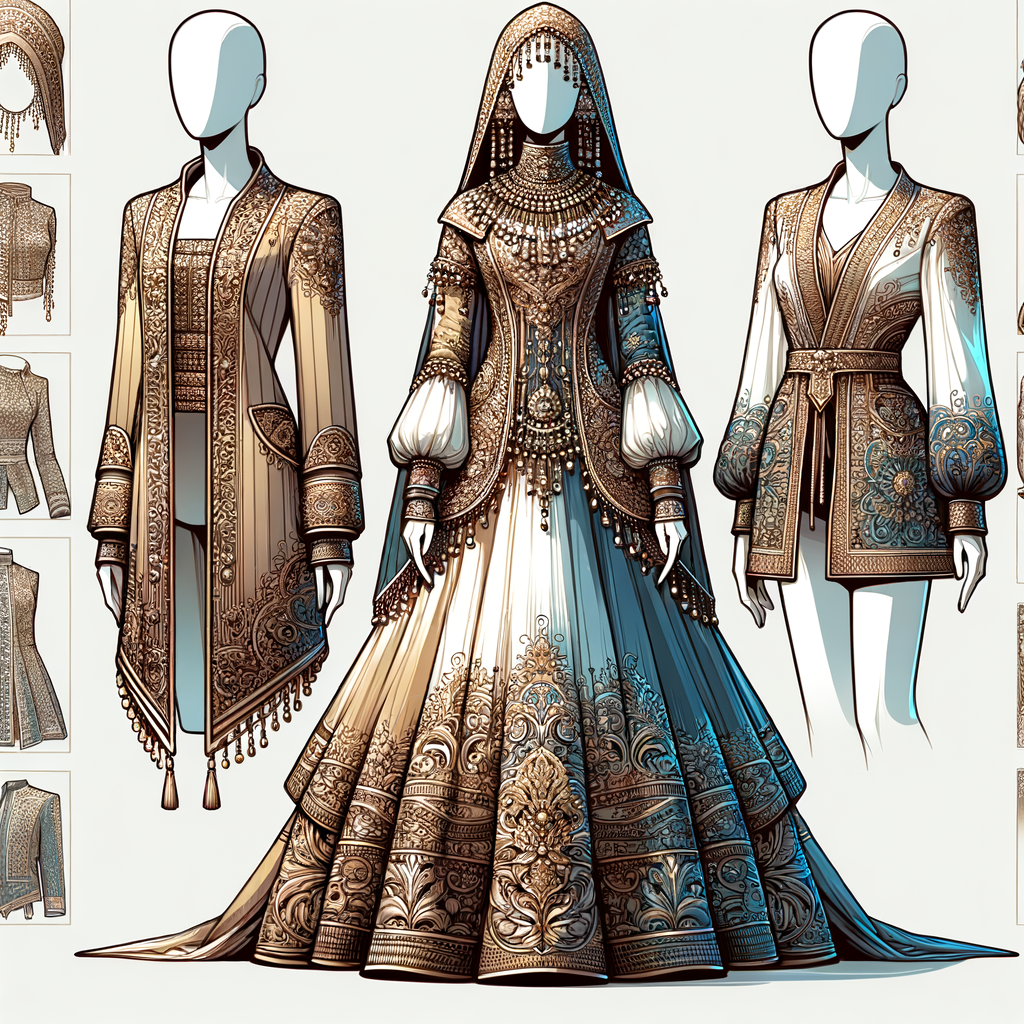
Fashion, a dynamic and ever-evolving industry, not only shapes our wardrobes but also influences culture, identity, and self-expression globally. At the heart of this vibrant world lies the vocabulary of fashion and style, a specialized lexicon that both aficionados and novices use to navigate the trends, traditions, and transformations. As fashion continuously draws influence from diverse cultures, historical eras, and technological advancements, its vocabulary expands accordingly. From understanding different clothing types, patterns, and fabrics to grasping the terminology used in industry practices, the language of fashion serves as both a tool and a tapestry, weaving together designers, consumers, and critics alike. This intricate vocabulary is essential for anyone wishing to delve deeper into fashion’s vast and captivating universe.
The language of fashion is not merely an assortment of words; rather, it represents concepts, trends, and historical contexts crucial for understanding and appreciating the complexities of dress and style. Terms such as “haute couture,” “prêt-à-porter,” and “bespoke” encapsulate entire philosophies of clothing production, reflecting the subtleties of exclusivity, accessibility, and craftsmanship. Furthermore, fashion terminology enables more profound conversations regarding sustainability, cultural sensitivity, and technological innovation. Indeed, to truly grasp the intricacies of fashion, one must familiarize oneself with its vibrant vocabulary, which acts as both a key to understanding and a mirror reflecting the broader societal shifts and desires.
Types and Categories of Clothing
The vocabulary of fashion begins with the various categories of clothing, each with its distinctive terminology signifying its function, form, and context. At the foundational level, clothing is often grouped into categories based on purpose: casual, formal, business, athletic, and more. Casual wear, for instance, includes garments like t-shirts, jeans, and hoodies, which prioritize comfort and ease. On the other hand, formal wear encompasses attire for special occasions and formal events, including gowns, tuxedos, and cocktail dresses. Understanding these dichotomies is central to grasping how clothing serves different contexts and occasions.
Beyond these broad categories, the language of fashion elaborates into specific garment types. Dresses alone display exceptional diversity, with terms like “A-line,” “maxi,” “shift,” and “sheath,” each describing a unique silhouette. Similarly, skirt variations such as “pencil,” “pleated,” “wrap,” and “skater” pinpoint distinct cuts and fits. Even attire segments as specialized as suits embody a language of their own, with terms like “double-breasted,” “single-breasted,” “notch lapel,” and “shawl collar” delineating stylistic nuances. The comprehension of such specifics unveils the multitude of choices available, enhancing one’s ability to create a wardrobe that reflects personal taste and lifestyle demands.
The Vocabulary of Fabrics and Textures
Fabrics and textures form another essential aspect of the fashion vocabulary, as they dictate the feel, function, and overall aesthetic of garments. Cotton, wool, silk, and linen are among the most commonly recognized materials, each with unique properties and suited to various contexts. Cotton is known for its breathability and comfort, making it a staple for casual wear. Wool, with its insulating properties, is favored in colder climates. Silk, synonymous with luxury and elegance, elevates formal attire, while linen is prized for its lightweight and breathable nature, perfect for warmer climates.
Beyond these basics, technical advancements in textile production have led to the creation of synthetic materials, such as polyester, nylon, and spandex, each with its functional benefits. These materials enhance durability, elasticity, and overall garment performance, especially in athletic and outdoor apparel. Simultaneously, terms describing texture—like “chiffon,” “crêpe,” “corduroy,” and “satin”—convey the finish and feel of material. These words assist in visualizing how a fabric drapes on the body, catches light, and even how it might require care. Familiarity with the vocabulary of fabrics and textures empowers individuals to make educated choices about their clothing based on climate, activity, and preference.
Patterns, Prints, and Color Terminology
Patterns, prints, and color vocabulary add layers of meaning and visual interest to fashion. Thoroughly intertwined with culture and personal expression, these elements enable clothing to convey emotion and identity. Patterns like “plaid,” “stripes,” “polka dots,” and “houndstooth” denote repetitive motifs that shape perceptions of a garment’s character. Each pattern has its historical roots and cultural associations, with some establishing timeless traditions while others evoke innovative modernism.
In addition to patterns, the fashion vocabulary includes a broad lexicon of prints that demonstrate creativity and innovation in design. Terms like “floral,” “paisley,” “geometric,” and “tie-dye” illustrate the extensive range of visual elements that a print can encompass. These words facilitate dialogue around fashion design by highlighting artistic inspirations and aesthetic outcomes.
Moreover, color is a paramount part of fashion language. Though the basic colors—red, blue, yellow—are universally understood, fashion elevates color descriptions. Terms like “aubergine,” “sapphire,” “mauve,” and “vermilion” deliver precise shades that reflect sensory and aesthetic nuances. Mastery of color terminology supports the coordination of cohesive looks, provides insight into seasonal trends, and strengthens one’s overall comprehension of a garment’s visual impact.
Industry Practices and Production Vocabulary
Alongside garment-specific terminology, a grasp of the broader industry practices and production processes enriches one’s understanding of fashion. The term “haute couture” represents handcrafted, custom-fit designs made by specialist ateliers, indicating exclusivity and luxury. Conversely, “prêt-à-porter,” or ready-to-wear, refers to clothing produced in standard sizes, typically for the mass market, focusing on accessibility without forsaking style.
The concept of “bespoke” designates completely custom-made pieces made to order, often associated with men’s suiting. Knowing these distinctions is invaluable in comprehending how garments are crafted, marketed, and eventually found in a consumer’s wardrobe. Vocabulary in fashion production also contains terms like “cut,” “sew,” “stitch,” and “drape,” which pinpoint specific stages in garment creation, reflecting technical skill and artisanal craftsmanship embedded at each juncture.
Further enriching this dialogue is terminology related to ethical and sustainable practices that have gained momentum in contemporary fashion. Words like “upcycled,” “organic,” “fair trade,” and “slow fashion” represent alternatives to traditional processes, highlighting industry shifts towards sustainability and social responsibility. Appreciating this lexicon facilitates informed consumer choices and engenders conversations surrounding the environmental and ethical implications of fashion production.
The Influence of Fashion Capitals and Designers
The language of fashion is deeply influenced by iconic fashion capitals and renowned designers who have historically steered trends. Cities like Paris, Milan, New York, and London epitomize the epicenters of fashion, each harboring a distinctive style and atmosphere. Paris is synonymous with “haute couture” and timeless elegance, Milan emphasizes luxury and craftsmanship, New York is known for its innovation and edge, while London showcases avant-garde and eclectic influences.
Designers themselves contribute significantly to fashion vocabulary, as their signature styles, philosophies, and innovations leave imprints on the language of style. Coco Chanel, for example, is famed for popularizing the “Little Black Dress” and creating enduring fashion staples like the Breton stripe and tweed suit. Dior introduced “The New Look,” emphasizing an hourglass silhouette that redefined post-war fashion. Each designer, with their unique vision, expands the vocabulary of fashion by introducing new concepts, cuts, and motifs that carry forward into fashion discourse and practice.
Conclusion
The vast and intricate vocabulary associated with fashion and style is much more than a collection of terms—it serves as a lens through which both aficionados and casual observers can understand the multi-dimensional world of clothing and self-expression. From the basic categorizations of clothing types to the subtle distinctions between fabrics, patterns, and colors, each term carries significance and storytelling. Moreover, the lexicon captures the essence and identity of past and present fashion trends, reflecting the evolution of culture, technology, and societal values.
An appreciation of this language allows for greater dialogue on fashion’s function within society, from high-end couture houses to the democratization of style through ready-to-wear garments. This specialized vocabulary illuminates discussions around meaningful issues such as sustainability and ethical manufacture, empowering individuals to engage deeply with the fashion industry in a socially conscious manner.
Ultimately, exploring the fashion vocabulary enables a more comprehensive grasp of clothing as more than mere attire but as an expression of creative narrative, cultural lineage, and personal ideology. For anyone engaging with fashion, whether through design, retail, or individual styling choices, understanding and embracing this vocabulary is an invaluable tool for enhancing aesthetic appreciation and participation in ongoing dialogues about style, identity, and societal change.





