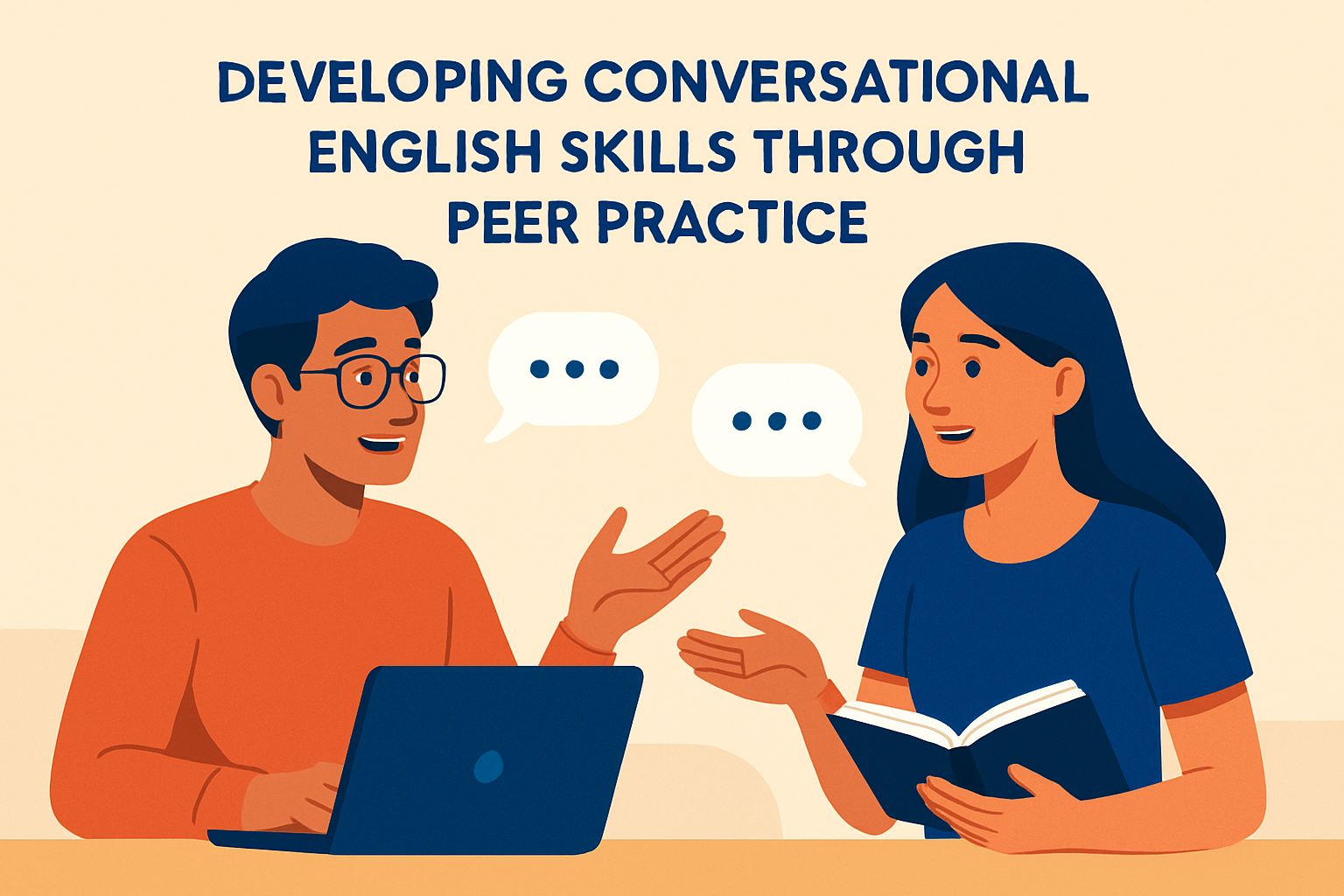
Improving English speaking skills is a common goal for individuals around the world, whether for professional advancement, personal growth, or educational purposes. English, being a global lingua franca, opens doors to numerous opportunities. However, mastering spoken English can be a challenging endeavor. This is where group workshops come into play as an effective method for honing these abilities. The definition of group workshops in this context refers to structured sessions that bring together a small gathering of people for intensive discussion and practice of the English language. These workshops are facilitated by an experienced instructor and usually focus on specific topics or skills. This approach matters because it provides a dynamic and interactive environment, presenting a powerful alternative to solitary study or traditional classroom learning.
In the following sections, we will explore various aspects of group workshops, illustrating how they can significantly enhance one’s ability to speak English effectively. We will delve into real-world examples, explain concepts in simple terms, and provide practical guidance on how to make the most of these workshops. The insights gathered here will equip you with the tools and understanding needed to elevate your English speaking skills to the next level.
The Benefits of Group Workshops
One of the primary advantages of group workshops is the sense of community they foster. Learning in a group setting encourages participants to engage actively with one another, creating a collaborative learning environment. For instance, when you are part of a group with diverse linguistic backgrounds, you are exposed to different accents and dialects, which broadens your understanding of the English language.
This collaborative atmosphere enhances learning because it deviates from the traditional teacher-student dynamic. In a group setting, participants are both learners and teachers, providing peer feedback and support. For example, in a workshop focused on public speaking, participants might practice delivering speeches in front of the group, receive constructive criticism, and subsequently improve their performance.
Real-World Applications of English through Workshops
Group workshops provide a conducive environment for applying English in real-world contexts. For example, role-playing exercises are a common practice in workshops where participants act out scenarios such as job interviews, business meetings, or customer service interactions. Through these simulations, participants gain confidence and learn to adapt their language use to fit different situations.
Consider a workshop organized for professionals looking to refine their business communication skills. Participants might engage in mock negotiations or presentations, allowing them to practice industry-specific vocabulary and phrases. This hands-on approach makes the learning process more relevant and engaging, as it directly applies to the participants’ daily lives and work environments.
Addressing Common Challenges and Strategies
Despite the benefits, group workshops may present challenges, such as varying skill levels among participants. Beginners might feel intimidated by more advanced speakers, leading to self-doubt or hesitation. The key to overcoming these challenges lies in effective facilitation. Instructors should create an inclusive environment where everyone feels valued and encouraged to participate.
To illustrate, a workshop on accent reduction might divide participants into small groups based on their proficiency levels. This approach allows for tailored feedback and exercises that meet the specific needs of each group. Additionally, employing techniques like pair work or small group discussions can help individuals gradually build confidence as they practice speaking in a supportive setting.
Using Technology to Enhance Workshop Experience
Incorporating technology into group workshops can significantly enhance the learning experience. Tools such as video conferencing, language learning apps, and online collaboration platforms allow participants to extend their practice beyond the physical workshop setting. For example, a workshop could use video calls to connect students with native speakers from different parts of the world, providing a firsthand experience of different accents and cultural contexts.
Consider a virtual workshop where attendees can participate from various geographical locations. This setup not only simulates an international environment but also offers flexibility and convenience. Additionally, digital resources and apps can facilitate vocabulary building, pronunciation practice, and interactive quizzes to reinforce learning.
| Technology Tool | Workshop Application | Benefit |
|---|---|---|
| Video Conferencing | Connect with global participants | Exposure to diverse accents & cultures |
| Language Apps | Practice vocabulary and pronunciation | Interactive learning & immediate feedback |
| Online Collaboration Platforms | Brainstorming and group discussions | Fosters teamwork & communication skills |
The Role of an Effective Facilitator
The success of a group workshop heavily relies on the skills of the facilitator. A competent facilitator not only guides the sessions but also inspires and motivates participants to reach their full potential. For example, a facilitator with a background in both English language teaching and cultural studies can provide insights into the nuances of communication styles across cultures.
An effective facilitator is adept at identifying the strengths and weaknesses of participants and adjusting the workshop activities accordingly. By providing constructive feedback and creating a safe space for making mistakes, facilitators enable learners to experiment with language use without the fear of judgment.
Measuring Progress and Celebrating Success
Tracking progress is essential in any learning journey. Group workshops should incorporate mechanisms to measure participants’ improvement over time. This can be achieved through pre- and post-workshop assessments, regular feedback sessions, and self-reflection exercises. For instance, participants might maintain a journal to document their experiences and growth throughout the workshop.
Furthermore, celebrating achievements is crucial in maintaining motivation. Recognizing small victories, such as successfully conducting a group presentation or accurately using new vocabulary in a conversation, can boost confidence and encourage continued effort. Facilitators might organize a showcase event at the end of the workshop where participants present their learnings to a broader audience, highlighting their progress.
Summary and Next Steps
Group workshops serve as an invaluable tool for improving English speaking skills by providing interactive and practical learning experiences. Key benefits include fostering a sense of community, exposing participants to real-world applications, addressing diverse challenges, leveraging technology, and benefiting from skilled facilitation. By engaging in group workshops, learners gain confidence, enhance their communication competence, and apply English effectively in various contexts.
The next step is to seek out group workshops that align with your specific language goals and interests. Whether through educational institutions, online platforms, or community centers, numerous opportunities exist to participate in workshops designed to elevate your English speaking abilities. Approach these workshops with an open mind, an eagerness to learn, and a willingness to embrace the challenge. Through active participation and consistent practice, you’ll find your proficiency in spoken English advancing significantly.
Ultimately, the journey of improving your English speaking skills is a rewarding endeavor with lasting benefits. Embrace the collaborative spirit of group workshops, and harness the power of collective learning to transform your communication abilities. The world is vast, and with strong English skills, you’ll be well-prepared to engage with it confidently and effectively.
Frequently Asked Questions
1. What are the benefits of improving English speaking skills through group workshops?
Improving your English speaking skills through group workshops is a fantastic way of making noticeable progress for several reasons. Firstly, it provides a supportive environment that encourages interaction. You’ll be surrounded by peers who are on the same journey, which can be motivating and reduce anxiety about making mistakes. Also, these workshops often simulate real-life scenarios, allowing you to practice speaking English in contexts you might encounter in everyday life – whether that’s ordering food, conducting meetings, or socializing with friends.
Moreover, group workshops offer immediate feedback from both facilitators and fellow participants. This feedback is essential for correcting pronunciation, grammar, and vocabulary usage, helping you learn from any mistakes in a constructive manner. Engagement in such sessions promotes active learning, which is vastly more effective than passive forms of study because it requires you to apply what you’ve learned rather than just memorize it.
In essence, group workshops create a dynamic learning atmosphere that is both informal and structured, making the learning process more enjoyable and less daunting, subsequently boosting confidence and fluency over time.
2. How are group workshops structured to enhance English speaking skills?
Group workshops are typically structured into several key components that ensure comprehensive language development. These sessions usually begin with a warm-up activity, which may involve introducing yourself or discussing a simple topic. The purpose is to get everyone comfortable with speaking in English.
Following that, workshops often include focused practice on specific areas such as pronunciation, vocabulary, or common idioms. This might involve role-playing exercises where participants enact situations you might face in real life, such as job interviews or casual conversations. Such activities not only improve your speaking skills but also your listening and comprehension abilities.
Another crucial part of these workshops is peer feedback and group evaluation. Participants are often encouraged to give constructive feedback to each other, fostering a community of support and continuous improvement. This aspect of workshops is instrumental because it teaches you how to self-evaluate and adapt your learning strategies accordingly.
Finally, a typical workshop may conclude with a Q&A session or an open discussion, which allows participants to express their thoughts and clarify doubts regarding the language or the day’s activities. Such sessions are invaluable for solidifying knowledge and ensuring that all participants are on the same page.
3. What can I expect to learn in an English speaking workshop?
In an English speaking workshop, you can expect to cover a wide range of skills tailored to improve your fluency and comprehension. Firstly, you’ll work on accent reduction and pronunciation. Many workshops include phonetic training and exercises to help you pronounce words more clearly and accurately.
You will also expand your vocabulary, including learning colloquial expressions and idioms that are commonly used in everyday conversations. This is important because fluency isn’t just about knowing the words and grammar; it’s about being able to use language in a natural, nuanced way.
Workshops also focus on developing listening skills, an often-overlooked aspect of language acquisition but critical for proper conversation. By participating in these sessions, you’ll gain exposure to different accents and speeds of speaking, which will, in turn, enhance your understanding and response time.
Additionally, expect to become more skilled in social and professional communication scenarios. These could range from making small talk to effectively presenting ideas in meetings. Through extensive practice, you’ll gain the linguistic and social skills necessary to excel in both personal and professional settings.
4. How can I actively contribute to and benefit more from a group workshop?
To maximize the benefits from a group workshop, active participation is key. Begin by setting clear personal goals before attending the sessions. Are you looking to improve your pronunciation, build your vocabulary, or practice conversational skills? Knowing what you want to achieve will help you focus your participation on activities that will lead to desired outcomes.
During workshops, engage fully in all activities and discussions. Don’t shy away from making mistakes; they are an essential part of the learning process. Practice speaking as much as possible and push yourself to step outside your comfort zone by engaging with different participants, especially those whom you may not know well.
It’s also crucial to listen actively. Pay attention to others as they speak, as this will not only help improve your understanding and retention of new information but also give you the opportunity to learn new expressions and sentence structures. Also, don’t hesitate to give and receive feedback; constructive criticism will direct your learning and allow you to address specific areas that need improvement effectively.
Outside of structured sessions, consider forming or joining study groups with fellow participants to practice speaking in a casual setting. This ensures that you are continually reinforcing what you’ve learned, helping to solidify new skills and knowledge.
5. Are group workshops suitable for all proficiency levels in English?
Yes, group workshops are typically designed to cater to a wide range of proficiency levels. Many workshops offer different sessions tailored for beginners, intermediate, and advanced learners. If you’re concerned about being in a group that’s too advanced or too basic for you, it’s always a good idea to inquire about the workshop’s target proficiency level before enrolling.
For beginners, these workshops usually start with simple exercises that focus on basic vocabulary and structure. This helps in building a solid foundation while boosting confidence to engage in simple conversations. As a beginner, you will find that being in a group with people at a similar level can be very reassuring, as everyone is going through similar experiences and learning curves.
Intermediate learners benefit from workshops that focus on more complex language structures, practical usage, and fluency-building exercises. At this level, the emphasis is often on expanding vocabulary, mastering complex sentence structures, and developing the ability to discuss a range of topics in more detail.
For advanced learners, workshops are often geared towards perfecting fluency and accent, delving into idiomatic expressions and cultural nuances of the English language. These sessions typically involve intense practice and group discussions on specialized topics, providing a rich environment for honing your skills further.