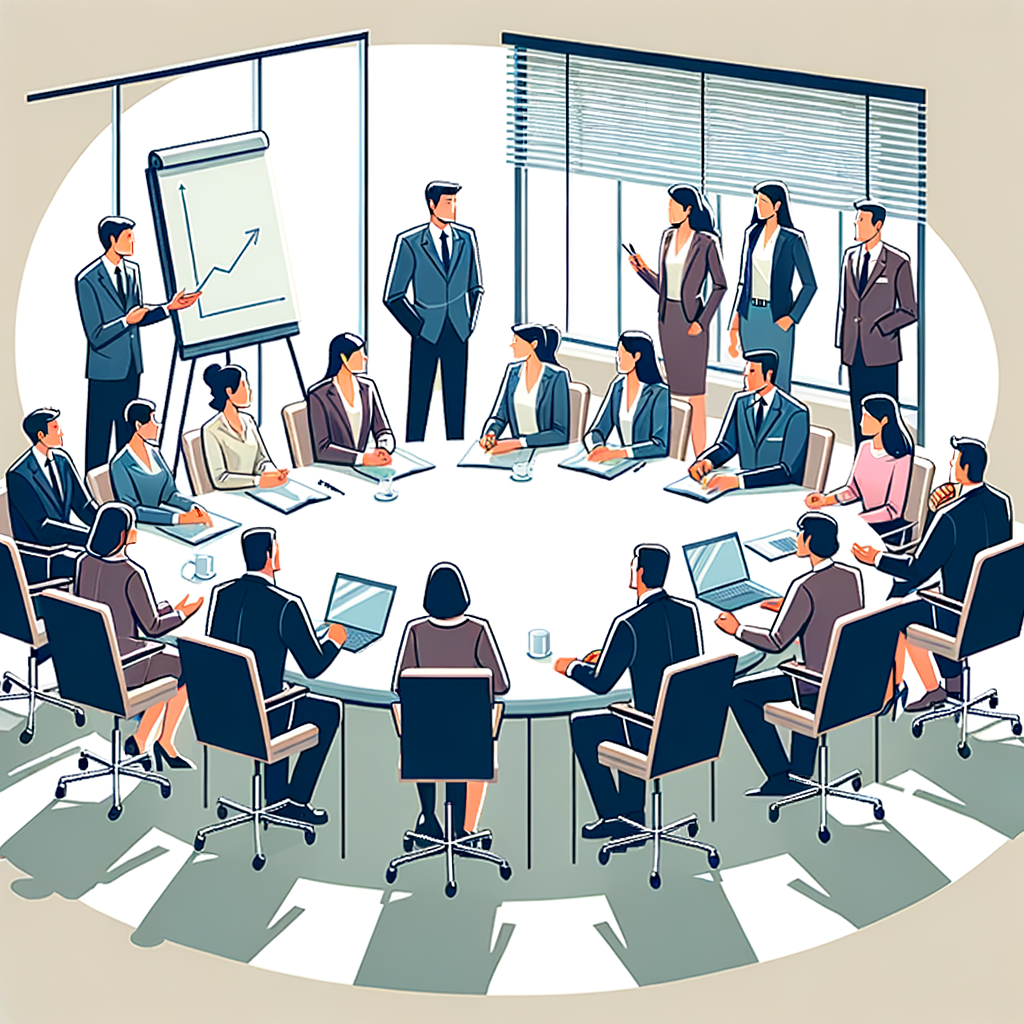
Formal community meetings in English are significant events where various stakeholders come together to discuss and decide upon matters affecting their community. Such meetings can cover a broad spectrum of issues from zoning laws to educational reforms, infrastructure developments, or health and safety regulations. The importance of mastering the art of navigating these meetings is crucial, particularly when English may not be your first language. Understanding the protocols, expectations, and vocabulary is essential to ensuring effective participation.
Partaking in formal community meetings requires more than just being physically present. It demands the understanding of formal meeting etiquette, the flow of the meeting, and being comfortable with the communication style used throughout the proceedings. This can be daunting for even the most seasoned individuals, more so if one is not proficient in English. However, with preparation and practice, it is possible to engage competently and effectively.
When it comes to formal meetings, a plethora of variables can influence the outcomes. Being equipped with the tools to navigate these nuances, particularly in a language that might not be native, plays a crucial role in effectively participating and being heard. This article aims to provide a comprehensive guide on how to navigate formal community meetings in English, offering practical insights and strategies to enhance your confidence and efficacy.
From understanding the structure of the meetings, the roles of different participants, the protocols, to effective communication strategies, this article will cover crucial aspects. It will also provide tips on how to prepare for these meetings, effectively listen, present your arguments, and follow up on proceedings. By grasping these essentials, you will be better positioned to contribute to discussions, propose actionable solutions, and foster meaningful dialogue in any formal community meeting.
The following sections will delve into various elements beginning with preparation and understanding the structure of such meetings, moving through to active participation and wrapping up with follow-up actions post-meeting. Whether you are a newcomer or an experienced participant seeking to refine your skills, these insights will be an invaluable aid.
Understanding the Meeting Structure
Familiarizing yourself with the structure of formal community meetings gives you an edge in anticipating the flow of discussions. Typically, official meetings follow a set agenda that dictates the order in which topics are addressed. The agenda serves as a roadmap, helping participants understand what to expect and prepare their contributions accordingly. Often made available ahead of time, reviewing the agenda before the meeting helps in aligning your preparation with the scheduled discussions.
Begin by identifying the key points on the agenda that align with your interests or areas of expertise. Prioritizing these topics allows you to direct your focus and better plan your contributions. Understanding the hierarchy of topics ensures your arguments are timely and relevant. Additionally, pay attention to any documentation provided in advance, such as minutes from prior meetings, reports, or proposals, as these will help contextualize current discussions.
Another important aspect of structure is the roles and responsibilities of meeting participants. Knowing whose responsibilities are whose helps in understanding the power dynamics and decision-making processes. The chairperson, who leads the meeting, holds significant influence in managing discussions and timekeeping. Supporting roles such as the treasurer or secretary also play integral roles in providing information, recording proceedings, and ensuring compliance with governing protocols. Recognizing these roles and addressing individuals appropriately is key to effective communication in these settings.
Formal introductions at the beginning of meetings provide an opportunity to take note of who is in attendance. Understanding the professional backgrounds and interests of others help tailor your communications. Whether through titles or professional affiliations, knowing who will speak on specific issues can guide when to interject or make your points.
Meetings often conclude with an open floor segment, allowing for any additional comments or new topic suggestions. Preparing for such portions allows you to contribute even if a particular issue wasn’t covered earlier on. Moreover, understanding the typical closing procedures, such as summarizing outcomes and clarifying action items, ensures you are well prepared to follow up on actionable items effectively.
Effective Preparation
Preparation is a fundamental component of successfully navigating formal community meetings. It begins long before the day of the meeting and involves strategic planning and thorough research. Knowing the importance of detailed preparation can help you engage confidently and articulate your perspectives with precision.
The first step in preparation involves thoroughly researching the issues to be discussed. Review any distributed documents rigorously. Understanding the context and implications surrounding agenda items enables an informed discussion. Conduct additional research to fill in any gaps in knowledge—this may involve reviewing local ordinances, policy documents, or relevant statistics that underpin the issues at hand.
Once you have a solid grasp of the content, craft your statements and questions. Structuring your thoughts clearly and concisely guarantees your points are understood and impactful. Consider the broader implications of your contributions and how they align with the interests of the community at large. Drafting your arguments in advance, including potential rebuttals to anticipated opposition, positions you to counter objections effectively.
Practicing your delivery is another crucial preparatory step. Public speaking can be anxiety-inducing; thus, rehearsing can help ease nerves and enhance clarity. Rehearse speaking points, maintaining a steady pace, and practicing varying your tone to emphasize critical elements can significantly enhance delivery. Consider recording yourself or rehearsing in front of a trusted acquaintance to receive constructive feedback.
Finally, prepare to take notes during the meeting. Effective note-taking ensures key points are not forgotten and assists in the drafting of follow-up actions. Whether through handwritten notes or digital devices, capturing the essence of discussions, key decisions, or proposed actions is vital. This allows you to support your future contributions with precise references to past deliberations, enhancing your credibility.
Mastering Communication and Participation
Beyond preparation, honing your communication skills and actively participating in discussions is central to navigating formal community meetings successfully. Mastery over communication ensures your voice is heard and your insights appreciated and considered in decision-making.
Clear, confident articulation of your perspective is critical. To achieve this, maintain a balance between assertiveness and respect. Employ courteous language, acknowledging previous speakers’ contributions before presenting your viewpoint. Such acknowledgments not only show respect but also build a rapport, fostering a constructive dialogue atmosphere.
When speaking, adhere strictly to the point to avoid tangential discussions. Focus on essential arguments, providing evidence and examples to bolster your points. Steer clear of jargon that may be unfamiliar to others unless it is indispensable—clarify technical terms where necessary to ensure understanding. Additionally, consider the mood and directionality of the conversation, adapting your contributions to the collective outlook.
Active listening is equally crucial when it comes to communication. It involves paying close attention to speakers, discerning underlying concerns, and identifying opportunities to contribute. Active listening shows respect for others’ contributions and ensures you are informed before responding. It also aids in formulating more pertinent questions or interventions that propel discussions forward.
Effective questioning can also be a powerful communication tool. Asking insightful questions not only clarifies ambiguities but also encourages deeper reflection or elicits information from others. Questions should be carefully constructed to navigate diplomatically and avoid eliciting defensiveness. Using open-ended questions to stimulate discussion or precise questions to unearth specific responses can significantly enhance meeting outcomes.
Lastly, practice the art of diplomacy. Disagreements are inevitable in formal meetings, but how conflict is managed distinguishes successful participants. Approach disputes calmly, maintaining composure, and striving for mutual understanding rather than confrontation. Diplomatic handling of conflicts often results in compromises or innovative solutions that serve the broader interests.
Conclusion
Successfully navigating formal community meetings in English requires a blend of preparation, strategic communication, and active engagement. Each component, from understanding the meeting’s structure, conducting thorough preparation, to mastering communication strategies, contributes to your ability to participate effectively. While these skills may take time and practice to perfect, they are within reach for anyone dedicated to improving their capability to function in formal settings.
Preparation is foundational for meeting success—arming yourself with ample research, structured talking points, and being ready to engage with existing content sets the stage. During meetings, active listening and clear, confident articulation of your perspectives ensure meaningful contributions. Strategic questioning, respectful engagement, and diplomacy foster a collaborative environment wherein all voices harmoniously contribute to solutions.
Approaching these meetings with this combination of skills will enhance your influence and ability to effect change in your community. Clear intention, aligned well with the shared objectives of the community, augments the chances of your proposals being well-received. Post-meeting actions—such as following up on agreed items and maintaining continued engagement with stakeholders—solidify your role as an asset to the community.
Harnessing these strategies will empower you to overcome language barriers and serve as an effective participant. The more you engage, the more proficient you become, not just in meeting formalities, but in driving constructive outcomes that benefit your community.
Persistent practice and reflection on meeting experiences contribute to continuous improvement. With time, you will find yourself navigating these formal forums with ease, contributing to your community’s vibrant and inclusive discourse, and ultimately, to more robust, equitable resolutions.
Frequently Asked Questions
1. What should I do to prepare for a formal community meeting in English?
Preparation is key when attending a formal community meeting, especially in a language that might not be your first. Initially, you should review any agendas, minutes from previous meetings, or related documents provided ahead of the meeting. This will help you understand the key issues that will be discussed and the decisions up for consideration. Familiarize yourself with any specific terminology or jargon that might be used in the context of the meeting, such as terms related to zoning laws, educational policy, or infrastructure projects.
Also, it might be beneficial to practice speaking about the topics in advance. If English is not your first language, consider drafting some notes or points in English that you might want to bring up during the meeting. Practicing your pronunciation and choice of words can boost your confidence and clarity during the actual session.
Finally, try to understand the meeting format and rules of conduct, such as how to make motions, how voting is conducted, and how to address the chair or other members of the meeting. This will not only help you participate effectively but also ensure you adhere to the formal protocols expected.
2. How can I effectively participate in discussions if I struggle with English?
Participating effectively in discussions at a formal community meeting begins with active listening. Make sure you pay close attention to the speaker’s points and try to pick up the main ideas, which could guide you on when and how to join the discussion. If understanding nuances is a challenge, taking quick notes can be useful.
When it gets to your turn or when you want to contribute, take a deep breath and speak slowly and clearly. Being concise helps, so focus on structuring your thoughts before speaking – start with your main point, followed by supporting details. Don’t be afraid to ask for clarification if something is not clear. Phrases like “Could you please explain that again?” or “I’m sorry, could you clarify what you mean by…?” can be helpful.
Additionally, don’t shy away from using technology as a tool. You could have translation apps on hand that can assist you in expressing complex points or understanding difficult vocabulary. Remember, your contributions are valuable, and the meeting is an opportunity to practice and improve your language skills in real-world settings.
3. What should I expect in terms of meeting protocols and etiquette?
Formal community meetings follow specific protocols and etiquette to ensure order and efficiency. Expect the meeting to start with a call to order by the chairperson, which signifies the official start of proceedings. Following this, the agenda will typically be outlined, detailing the issues for discussion.
Understanding the basics of parliamentary procedure, such as Robert’s Rules of Order, can be extremely beneficial since they guide many such meetings. These rules dictate how discussions are carried out, motions are made and voted on, and decisions are recorded.
Proper etiquette involves showing respect to all attendees, waiting for your turn to speak, and adhering to time limits if they are specified. Raise your hand if you wish to speak or make a point, and address your comments through the chairperson. Being polite, listening attentively to others’ points, and not speaking over someone else are crucial etiquettes to adhere to. Also, the manner in which you address participants, often using “Mr.” or “Ms.” followed by their surname, demonstrates respect and understanding of formal meeting culture.
4. Are there common challenges faced by non-native English speakers, and how can they be overcome?
Non-native English speakers often face challenges such as understanding accents, fast-paced discussions, and technical language used in formal meetings. These hurdles can be managed with some strategies. Engage in active listening by focusing on key phrases and context, which can aid in understanding the discussion even if certain words are unfamiliar.
It’s also helpful to familiarize yourself with commonly used phrases and jargon in advance of the meeting. Watching English-language news programs or any media related to the meeting’s subject matter can improve comprehension skills over time and expose you to various accents and speaking speeds.
If possible, pair up with someone experienced who is either bilingual or a native speaker who can provide translations or summaries on the spot. Additionally, leveraging recording devices (if permitted by the meeting rules) to revisit discussions can further aid comprehension and provide a chance to catch up on anything you might have missed.
Lastly, practice is a powerful tool. Participate in smaller group discussions or community gatherings to build confidence and fluency in speaking and understanding English in formal settings.
5. How can one effectively communicate their points during the meeting?
To communicate effectively in a formal community meeting, clarity and brevity are your allies. Begin by clearly stating your main point or concern, ensuring it’s directly related to the topic being discussed. Use simple language if you’re more comfortable with it, as the goal is to be understood clearly by everyone present.
Supporting your point with facts, figures, or logical reasoning can help strengthen your argument. Be prepared with any relevant data or examples that can back up your claims and positions. Structuring your points in a logical format – starting with an introduction, following with those supporting points, and concluding with a proposed solution or action – can make it easy for others to follow and engage with your points.
If you face difficulties with language, prepare in advance but consider bringing written notes or an outline of what you plan to say. This can serve as a guide for your verbal communication and ensure you hit all the important points. Moreover, if you think something is being misunderstood due to language barriers, don’t hesitate to pause, rephrase, or ask for assistance to convey your points accurately. Engaging with the participants by maintaining eye contact and using positive body language can also significantly contribute to communicating effectively and ensuring your contributions are well received.