
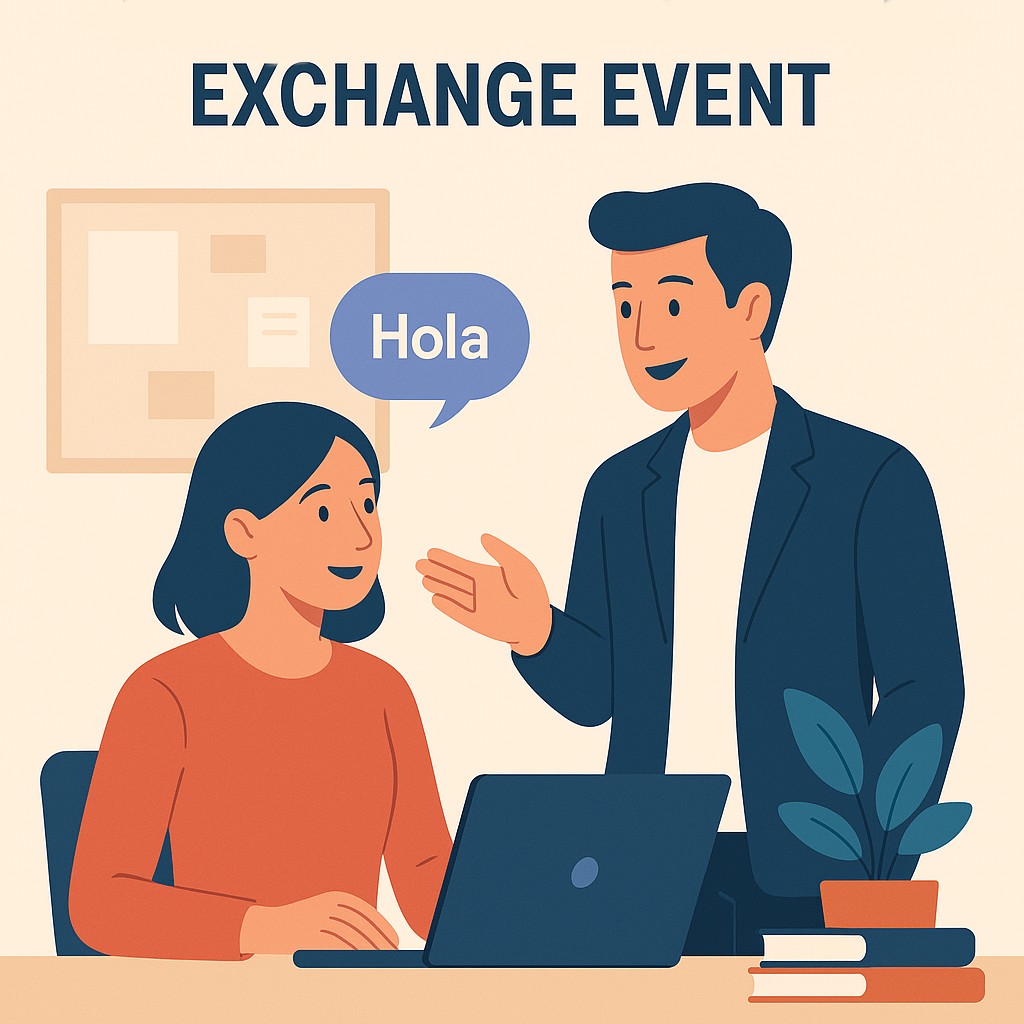
Community language exchange events are gatherings where individuals come together to practice and share their language skills. These events are typically informal, allowing participants to engage in conversational practice in a supportive environment. By definition, a language exchange involves people who are proficient in different languages helping each other learn by providing interactive experiences. Such exchanges are not limited to linguistic growth only; they also foster cultural understanding and create community connections.
The importance of organizing a community language exchange event cannot be overstated. In an increasingly globalized world, language skills are more valuable than ever. These events encourage cultural diversity and learning, enhance communication abilities, and broaden participants’ worldviews. Furthermore, they offer the community a chance to come together, break down social barriers, and form new friendships.
Whether you’re a language enthusiast, educator, or community leader, organizing a successful community language exchange event takes thoughtful planning and dedication. By understanding key organizational aspects, attendees can gain immense linguistic benefits and cultural enrichment, making such efforts worthwhile and impactful.
Planning and Promoting the Event
The first step in organizing a community language exchange is thorough planning. Begin by setting clear objectives and defining what success looks like for your event. Consider questions like: What are the primary languages to be focused on? Who is the target audience? What size are you aiming for?
Once your objectives are clear, select a time and venue suitable for your target audience. Community centers, libraries, or even local cafes can be ideal spots. Ensure your chosen venue has adequate space and facilities to accommodate interactive sessions and group activities. Remember to check availability and book the venue in advance to avoid any last-minute hiccups.
Promotion is crucial to the success of your event. Utilize both online and offline channels to reach your audience. Create engaging flyers and distribute them in schools, universities, and community bulletin boards. Leverage social media platforms like Facebook, Instagram, and local language learning groups to create buzz and encourage registration. Personal testimonies from previous participants can add a genuine touch and boost interest.
Structuring the Language Exchange Sessions
Effective structuring of language exchange sessions ensures that participants gain the maximum linguistic benefit. Start by categorizing attendees based on language proficiency and pair them with partners whose native language matches the other’s learning language. Make sure to strike a balance, so participants have equal opportunities to practice and teach. This reciprocal learning method is what makes language exchanges uniquely effective.
Consider implementing different session formats to keep the event dynamic. For example, start with ice-breaker activities to ease attendees into the event. Then, move on to focused conversations, role-playing scenarios, or themed discussions that align with participants’ interests. Allow flexibility for participants to suggest topics of interest, keeping sessions engaging and relevant.
A well-structured event also includes time to reflect and share feedback. End with a group discussion or feedback session where participants can discuss their experiences, exchange contact information, and plan for future exchanges, fostering an ongoing language practice journey.
Facilitating Interaction and Practice
Facilitation is critical in ensuring that interaction during the event is productive and respectful. As an organizer, guide discussions to prevent dominance by particular individuals and ensure balanced participation. Encourage open-ended questions and active listening to enrich the learning experience. Providing conversation prompts or question cards can help steer dialogues constructively.
Consider hosting guest speakers or language experts to share insights or demonstrate cultural practices related to the languages being exchanged. By introducing such elements, you enhance the event’s authenticity and offer participants real-world context for their language practice. This not only enriches the experience but also motivates attendees by showing practical applications of their linguistic skills.
To assist you in visualizing how these elements might come together, here is a simple table capturing the key components and suggested durations:
| Session Component | Duration |
|---|---|
| Ice-Breakers | 15 minutes |
| Structured Conversations | 40 minutes |
| Themed Discussions | 30 minutes |
| Feedback and Reflection | 10 minutes |
Providing Resources and Materials
Providing adequate resources and materials can significantly enhance the learning experience during language exchange events. Prepare a collection of grammar guides, vocabulary lists, and conversation scripts relevant to the languages in focus. These resources will provide necessary support for participants as they practice their skills.
Additionally, recommend language learning apps or online resources that participants can use to complement their learning outside of the event. By equipping attendees with both physical and digital tools, you empower them to continue practicing independently, establishing a solid foundation for continuous language development and engagement.
Evaluating and Improving Future Events
Evaluation is crucial in refining and improving future language exchange events. Collect feedback through surveys or informal conversations with participants post-event. This is an excellent way to gauge what worked well and identify areas requiring improvement. Effective survey questions might include: “What was your favorite part of the event?” or “How can we make future exchanges better for you?”
Analyze the feedback thoroughly to understand participation trends, demographic interests, and any potential challenges faced by attendees. This understanding will guide you in adjusting future events to better meet the needs of your target audience. For example, if participants hinted at timing constraints, consider organizing shorter, more frequent exchanges to cater to busy schedules.
Remember that flexibility and openness to feedback are key to evolving these events into cherished community traditions. By continuously striving to enhance the experience, you ensure these events remain valuable and relevant to participants’ language learning journeys.
Conclusion: Making a Positive Impact through Language Exchange
In summary, organizing a community language exchange event presents a meaningful opportunity to facilitate cultural exchange and linguistic growth. Through careful planning, effective promotion, structured sessions, active facilitation, and provision of resources, you can create an enriching environment that benefits everyone involved. The success of such an event depends on the dedication to fostering a welcoming community where everyone feels heard, respected, and motivated to continue their linguistic journey.
Language exchange events break down cultural barriers and bridge communities, offering a practical platform for lifelong learning and interaction. Remember, the key is to maintain an inclusive and engaging atmosphere, ensuring continuous feedback and iterative improvement. Your next step? Start planning your language exchange event today and watch as your community blossoms with newfound connections and enriched communication skills.
Frequently Asked Questions
1. What is a community language exchange event?
A community language exchange event is an informal gathering where individuals from various linguistic backgrounds come together to practice and enhance their language skills. These events serve as platforms for conversational practice in a supportive environment, making them ideal for anyone looking to improve their language proficiency. Typically, participants pair up or form small groups where they can engage in discussions in the languages they’re learning, with the help of native or proficient speakers of those languages. Beyond language learning, these events are an enriching cultural interchange, offering insights into different customs, perspectives, and ways of life, all while promoting a sense of community and mutual respect.
2. How do I find participants for a language exchange event?
Finding participants for a language exchange event can seem daunting, but with the right strategies, it can be a rewarding experience. Start by reaching out to your existing network; friends, family, or colleagues who might be interested in language learning can be your first attendees. Then, leverage social media platforms like Facebook, Instagram, and Twitter to announce the event and attract a broader audience. You can also post on community forums and bulletin boards, both online and offline, in places like libraries, universities, and community centers. A well-crafted, eye-catching flyer that highlights the benefits of participation can be highly effective. Don’t forget about language-specific meetup groups or online platforms like Meetup.com, where language enthusiasts frequently seek out new exchange opportunities. Personal recommendations and word-of-mouth can also be powerful tools in spreading the word further than any ad campaign could.
3. What should I consider when choosing a venue for the event?
Choosing the right venue for a language exchange event is crucial for creating a comfortable and effective atmosphere. Consider accessibility; your venue should be easy to find and ideally accessible via public transportation. It’s important to ensure that the space accommodates the group size you anticipate, with enough seating and space for participants to form smaller conversation groups. Ambiente matters too; a café, library, or community center usually provides a relaxed setting conducive to conversation, with adequate lighting and minimal noise distractions. Facilities like whiteboards or projectors are a bonus if you plan to include presentations or visual aids. Also consider the availability of amenities like restrooms and refreshments, which can enhance the experience and encourage attendees to linger and engage deeper. Finally, think about the cost; seek out venues that are free or low-cost to keep the barrier to entry low for participants.
4. How can I structure the event to maximize language practice and cultural exchange?
Structuring a language exchange event effectively involves balancing organization with the autonomy for organic interactions. Kick off the event with a brief introduction, explaining the format, the languages available for practice, and encouraging participants to mingle and introduce themselves. You can organize the event in rounds or timed sessions where attendees switch partners every 15-20 minutes to maximize different conversational experiences. Consider having themed discussions or cultural topics to guide conversations, such as holidays, food, or current events, which can stimulate interesting dialogue and cultural learning. Encourage active participation by incorporating ice-breaker games or cultural activities, fostering a dynamic and engaging atmosphere. You may also assign language mentors or hosts—participants who are more proficient and can facilitate conversations or provide guidance. Ending the event with a casual debrief or feedback session can help refine future events and make sure everyone leaves with a sense of accomplishment and connection.
5. What are the benefits of participating in a community language exchange event?
Participating in a community language exchange event offers a myriad of benefits beyond just language learning. From a linguistic perspective, it provides real-world practice, helping learners enhance their speaking, listening, and conversational skills in a stress-free setting. Interacting with native speakers accelerates language fluency, improves pronunciation, and builds confidence. Culturally, these events are gateways to understanding diverse perspectives and traditions, enriching one’s worldview and fostering cultural sensitivity. Socially, they offer opportunities to make new friends who share similar language interests, building meaningful connections that often extend beyond the event itself. Additionally, these events can spark curiosity and motivate participants to continue learning with renewed enthusiasm and commitment. Perhaps most importantly, community language exchanges reinforce the idea that learning is a shared journey, one that is as much about building community as it is about personal growth and knowledge.





