
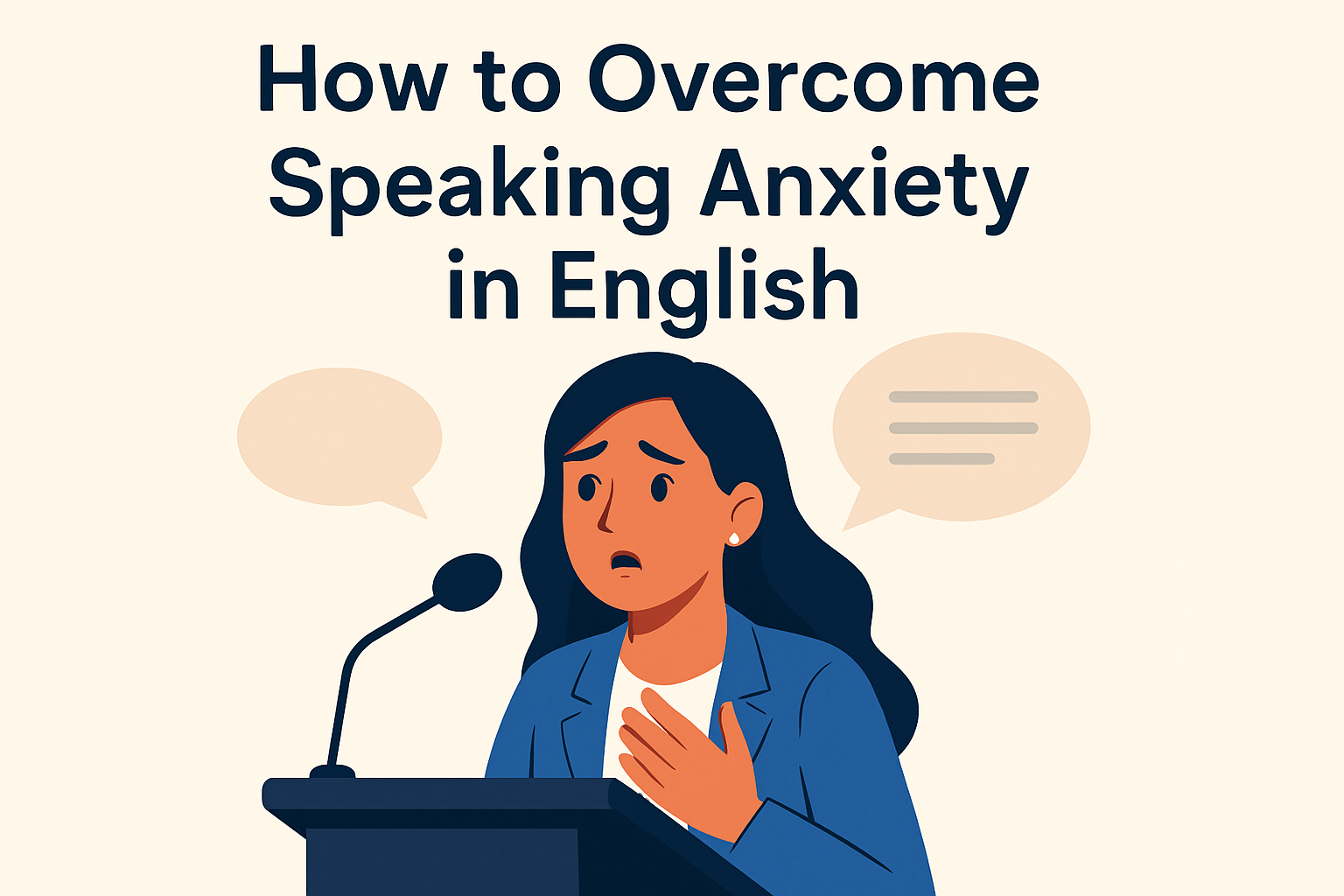
Understanding Speaking Anxiety
Speaking anxiety, particularly when communicating in a non-native language like English, is a common barrier for many individuals. It involves a fear of negative evaluation, worry about making mistakes, and the stress of communicating effectively in social or professional environments. This type of anxiety can manifest as a physical reaction, mental block, or a combination of both, leading many to avoid speaking in English altogether.
For many, the stakes are high. English is the language of global business and is often necessary for academic success, career advancement, and social interaction in multicultural settings. Notably, the ability to communicate confidently in English can open doors to numerous opportunities and enhance one’s personal and professional life. However, the fear and anxiety associated with speaking English can significantly hinder these opportunities. Understanding the roots of this anxiety is the first critical step towards overcoming it.
Recognizing the Fear Behind Speaking Anxiety
The fear behind speaking English often stems from a fear of being judged or ridiculed due to mistakes or an accent. This type of fear is cognitive, as it is based on the thoughts and perceptions of the speaker about how they are potentially perceived by others.
For example, imagine a non-native English speaker preparing for a job interview. The thought of making grammatical errors or mispronouncing words might lead to intense anxiety, making it difficult to express ideas clearly. This can drastically impact performance, despite having the right skills or qualifications for the job.
In real-world scenarios, such fears can also stem from previous negative experiences, such as being corrected publicly or laughed at, which reinforces anxiety in future speaking situations. Recognition of these fears is crucial as it helps in addressing the specific elements that need improvement.
Strategies for Building Confidence and Competence
Overcoming speaking anxiety requires a combination of improving language competence and boosting confidence levels. Here are practical strategies that help in tackling this issue:
1. Practice Regularly: Engage in frequent English conversations with native speakers or peers. Consistent practice reduces anxiety by familiarizing the speaker with common phrases and contexts.
2. Set Realistic Goals: Instead of aiming for perfect grammar, set achievable communication goals such as improving fluency or expanding vocabulary. Celebrating small successes builds confidence.
3. Public Speaking Opportunities: Participating in public speaking workshops or clubs in English can provide a platform for practice and feedback in a supportive environment.
4. Use Technology: Leverage language learning apps and online platforms where you can practice conversation skills and receive constructive feedback in a low-pressure setting.
An example encapsulating these strategies is participating in a local Toastmasters club. A member might join to improve public speaking skills, receiving structured feedback and encouragement. This environment helps progressively diminish anxiety and improves overall English speaking skills.
The Role of Anxiety Management Techniques
In conjunction with improving language skills, managing anxiety at a physiological level is also essential. Several techniques can help reduce nervousness and anxiety related to speaking English.
- Deep Breathing Exercises: Deep, controlled breathing can help calm the nervous system, reducing panic and allowing for clearer thinking.
- Visualization: Visualize successful speaking scenarios before they occur. This mental rehearsal can diminish anxiety by creating positive associations with speaking English.
- Mindfulness and Meditation: Regular practice of mindfulness can help focus the mind and reduce anxiety by encouraging present-moment awareness and acceptance of any speaking-related fears.
Consider a university student presenting in English for the first time. By employing deep breathing exercises before presenting, the student may feel more relaxed and in control, allowing them to focus more on the content of the presentation rather than the fear of speaking.
Building a Supportive Network
Having a support system can significantly alleviate speaking anxiety. Connecting with others who are also learning English can provide a sense of community, shared experiences, and mutual encouragement. This network can be formed through language exchange partnerships, support groups, or online forums.
For instance, global platforms offer learners the opportunity to connect and communicate with peers across the world. This not only provides a safe space to practice but also allows individuals to support each other in overcoming common challenges.
Developing a Resilient Mindset
Lastly, cultivating a resilient mindset is key to overcoming setbacks and challenges associated with speaking English. This involves adopting a growth-oriented approach where mistakes are seen as learning opportunities rather than failures.
Develop resilience by embracing feedback, persisting through challenges, and maintaining a positive outlook. For example, an employee might not perform perfectly during an English presentation. However, viewing the experience as a stepping stone for improvement rather than a definitive evaluation of their abilities fosters a mindset conducive to growth.
Concluding Thoughts
Overcoming speaking anxiety in English is a journey that requires a combination of linguistic improvement, anxiety management, and mindset shifts. By recognizing fears, implementing practical strategies, managing anxiety, building a support network, and fostering a resilient mindset, individuals can significantly reduce their anxiety and improve their English speaking skills.
Ultimately, the goal is not to speak perfectly but to communicate effectively and confidently. Embrace the process as a personal growth journey, take actionable steps, and realize the potential opportunities that come with overcoming this common challenge.
To begin this journey, identify one actionable step you can take today towards reducing speaking anxiety in English—whether it is joining a conversation group, practicing a meditation exercise, or setting a tiny language goal. Every effort counts and leads closer to success.
Frequently Asked Questions
1. What are common symptoms of speaking anxiety when using English as a second language?
Speaking anxiety in English, especially when it’s not your first language, can show up in various ways. You might feel your heart racing or your palms sweating, which are typical physical reactions when you’re nervous. Mentally, you might draw blanks—unable to remember words you’ve practiced repeatedly or even just simple terms. This could derive from the fear of being judged or misunderstood, which can make the idea of speaking up daunting. These symptoms might cause you to avoid speaking in English, skip conversations where you’d have to speak, or feel that you’re not communicating as effectively as you wish to. Acknowledging these feelings is the first step in overcoming them; they’re certainly not uncommon and you’re not alone in experiencing them.
2. Why do individuals feel anxious when speaking English in social settings?
Feeling anxiety in social settings when speaking English stems from several factors, primarily revolving around fear of negative judgment. This fear might be due to concerns about incorrect grammar or pronunciation, potentially leading to misunderstanding and embarrassment. In social situations, the fear is heightened due to the informal and spontaneous nature of conversations, which require quick thinking and responses. Often, individuals might feel pressure to match the fluency or vocabulary of their peers, causing additional stress. This anxiety can make one overly self-conscious, detracting from the natural flow of dialogue. It’s essential to focus on the message rather than the form, reassuring oneself that making mistakes is a natural part of language learning and interaction.
3. How can one build confidence in their English-speaking abilities?
Building confidence in speaking English requires consistent practice and a mindset shift towards embracing imperfections. Start small by setting achievable targets like practicing speaking for five minutes a day. Engage in English-language media or join conversation clubs, which offer an informal environment to practice and grow comfortable. Shadowing exercises, where you mimic native speakers from audio or video clips, help enhance fluency and pronunciation. Moreover, setting up goals and celebrating small victories will keep motivation high. It’s important to view mistakes as stepping stones to improvement rather than failures. Surrounding yourself with a supportive community that encourages growth without judgment can significantly boost confidence.
4. What strategies can help in managing fear of making mistakes while speaking English?
Trying to manage the fear of making mistakes while speaking English involves altering one’s perspective on errors. First, acknowledge that language learning is inherently iterative and mistakes are integral to the process. Secondly, when making an error, instead of feeling embarrassed, treat it as a learning opportunity. Keeping a journal to note these points for future improvement could be beneficial. Moreover, practicing mindfulness techniques can help maintain composure and reduce nervousness in real-time. Engaging in role-play or simulated conversations in a safe environment provides room to make mistakes without judgment. Seeking feedback from sympathetic listeners and focusing on communication over perfection can gradually ease the psychological burden that accompanies fear.
5. How important is mindset in overcoming English speaking anxiety?
Mindset plays a crucial role in overcoming speaking anxiety in English. A growth mindset, which embraces learning and perseverance, is particularly effective. It’s all about reframing the way you perceive challenges and setbacks. Instead of viewing them as insurmountable problems, see them as opportunities to learn and improve your language skills. Developing self-compassion is also vital; giving yourself the grace to make mistakes and learn from them fosters a more supportive internal dialogue. Surround yourself with positivity – such as motivational quotes, stories of successful language learners, and encouraging peers. By building mental resilience and creating a supportive inner monologue, you can reduce anxiety and increase your confidence when speaking English.





