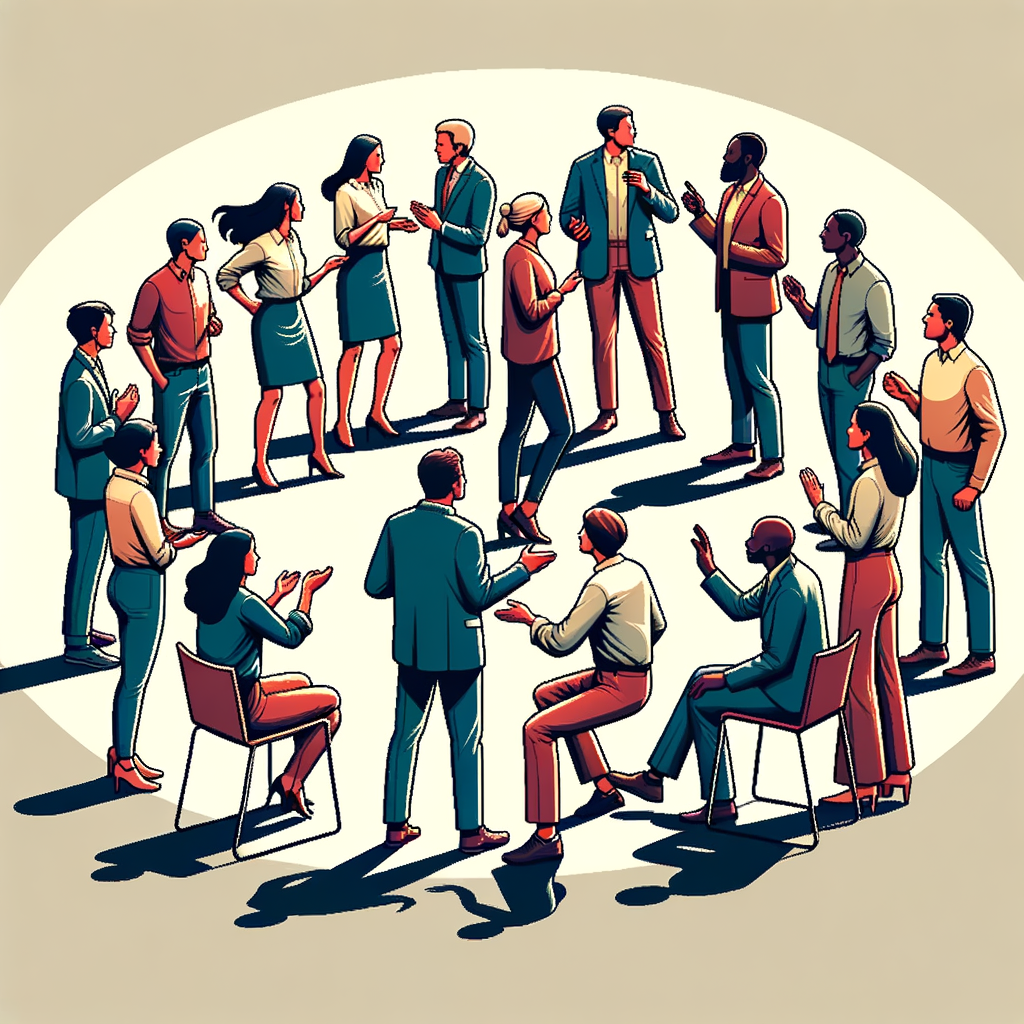
Group interactions are a fundamental part of personal and professional life, and mastering them can significantly benefit our social, work, and personal environments. Communication is a complex process that transcends words, with body language playing a pivotal role in how messages are perceived and understood. Understanding how to effectively use body language can significantly enhance group interactions, making them more positive, productive, and cohesive. This article explores various body language techniques that can be utilized to improve group dynamics, connect better with others, and foster a more conducive atmosphere for open communication and collaboration.
The significance of body language in group settings cannot be overstated. It complements our verbal messages, often serving as a nonverbal indicator of our thoughts and intentions. Effective use of body language involves more than just a single gesture; it requires awareness and control over multiple nonverbal cues, including facial expressions, posture, gestures, and eye contact. These components work in conjunction to create the full spectrum of body language, each contributing to how we are perceived by others during group interactions. By learning how to align the body language with verbal communication, individuals can enhance their ability to engage in meaningful interactions that promote understanding, trust, and cooperation among group members.
Body language can convey enthusiasm, openness, confidence, and receptivity, or conversely, disinterest, anxiety, hostility, and disapproval. The key to using body language effectively lies in its authentic usage—aligning what we say with how we say it through our body movements. To help facilitate enhanced group interactions, this article delves into the specifics of how body language can be used to create positive group dynamics, influence perceptions, and foster rapport among team members. Through practical examples and step-by-step techniques, readers will gain the knowledge needed to develop their body language skills to a level where they can consistently boost group interaction quality.
Reading Group Dynamics
Successful group interactions often begin with an ability to read the room. Understanding group dynamics is fundamental to tailoring one’s body language to suit the situation. Reading group dynamics involves observing and interpreting the collective mood and energy level of those present. Signs such as how people sit, how they interact with each other, and their facial expressions provide clues about the group’s current state. Identifying the presence of tension, enthusiasm, or apathy enables a person to adjust their body language accordingly.
The first step to reading group dynamics is to pay attention to seating arrangements. In many situations, seating positions can offer insight into the hierarchy, alliances, and the level of formality within the group. For instance, people sitting closer together may have a prior rapport, while secluded individuals might not feel integrated. Acknowledge these nuances when interacting, positioning yourself neither too dominant nor too distant. Utilizing an open posture signals approachability and inclusivity—important cues that promote a welcoming group atmosphere.
In addition to seating cues, observing individual behaviors is critical. Look for nonverbal signals such as nodding, leaning forward, or maintaining eye contact, as these often suggest engagement and interest. Conversely, signs of disengagement might include crossed arms, leaning back, or averted gaze. Understanding these indicators allows you to tailor your approach, using more inviting and participatory body language to draw others into the interaction. When group members recognize that you’re actively reading and responding to the room’s mood, it can lead to increased trust and a stronger sense of camaraderie.
Building Rapport with Eye Contact
Eye contact is one of the most powerful tools in body language. It plays an essential role in building rapport and fostering trust during group interactions. Proper use of eye contact can enhance communication by showing interest, attentiveness, and confidence. In group settings, maintaining balanced eye contact with different members ensures everyone feels included and respected, helping to avoid feelings of isolation or neglect.
The effectiveness of eye contact lies in its ability to convey sincerity and openness. When engaging with the group, try to maintain an inclusive eye contact pattern, moving your gaze naturally among participants to create a shared experience. Avoid prolonged fixation on any one individual, as it can make others feel excluded. Instead, use brief and meaningful eye contact with each member to engage them and demonstrate that you value their presence and input.
Remember also that cultural differences may influence how eye contact is perceived, so it’s essential to adjust accordingly to ensure it matches the cultural norms of those you’re interacting with. In some cultures, direct eye contact may be seen as disrespectful or aggressive, while in others, it’s a sign of confidence and straightforwardness. Being aware of these cultural contexts allows you to use eye contact effectively to enhance group interactions without crossing cultural boundaries.
Power of Facial Expressions
Facial expressions are integral to body language and can significantly impact group interactions by mirroring emotions and intent. A positive expression can ease tensions, invite collaboration, and convey warmth, while a neutral or negative face may inadvertently close off communication avenues. In group settings, leveraging facial expressions appropriately can promote empathy and understanding.
Smiles are universally effective in warming up interactions. A genuine smile can make others feel at ease, reduce barriers, and encourage open dialogue. When participating in group discussions, make a point to smile when appropriate—such as during introductions or when acknowledging someone’s contribution. Smiling can communicate approachability and readiness to listen, establishing a foundation for respectful exchanges.
Effective use of facial expressions extends beyond smiling. Pay attention to subtle expressions, such as raising eyebrows to indicate curiosity or nodding slightly in agreement. These gestures encourage a reciprocal exchange of ideas, as participants feel acknowledged and validated. Conversely, be mindful of expressions that convey unintended messages, such as frowns or narrowed eyes, which may inadvertently signal disapproval or skepticism.
Posture and Its Influence
Posture plays a critical role in how individuals are perceived in group interactions, reflecting confidence, openness, or defensiveness. Adopting the right posture can positively influence the group dynamic, signaling that you are engaged, approachable, and receptive to others.
An open and relaxed posture can invite collaboration and communication. Positioning yourself in a way that faces others, with your arms and legs uncrossed, demonstrates openness. This posture encourages others to approach and communicate without reservation. Standing or sitting upright further projects confidence and attentiveness, reinforcing your interest in the group’s activities.
Conversely, defensive postures, such as slouching or crossing arms, can signal disengagement or resistance, potentially creating barriers in group interactions. To cultivate a more inclusive atmosphere, strive to maintain an open and attentive posture, adapting it dynamically based on the conversation’s flow and context. Practicing consistency between verbal and non-verbal communication ensures your body language aligns with your spoken messages.
Gestures to Enhance Communication
Gestures are a valuable component of body language, aiding in clarifying and emphasizing spoken messages during group interactions. Skillful use of gestures can help convey enthusiasm, support understanding, and maintain engagement within a group setting.
Descriptive gestures, such as using hands to illustrate a concept or directional movements to indicate options, can provide visual reinforcement to verbal communication. These gestures help ensure that the group can follow the discussion, especially in complex or technical conversations. When used effectively, gestures can bridge verbal gaps and fill in where words may not suffice.
Be mindful of overusing gestures, which may become distracting or overwhelming in group settings. The key is to ensure gestures are purposeful and relevant, naturally complementing the verbal message. Practicing consistency in gestures that match the tone and content of your speech helps reinforce the intended message, enabling clearer communication and understanding among group members.
Synchronizing Verbal and Non-Verbal Cues
Synchronizing verbal and non-verbal cues ensures that your body language aligns with your spoken messages, enhancing credibility and coherence in group interactions. Inconsistent signals, such as expressing excitement with a flat tone or engaging posture with a negative comment, can create confusion and erode trust in group settings.
To synchronize cues effectively, practice self-awareness, and take note of your body language when communicating. Ensure your facial expressions, eye contact, and gestures are congruent with your verbal expressions, reinforcing the message you wish to convey. This alignment not only strengthens your message but also increases the perception of authenticity and reliability among group members.
Additionally, being attuned to others’ verbal and non-verbal cues allows you to adapt your response accordingly. By matching the energy and tone of fellow participants, you can create a cohesive environment in which aligned interactions further enhance group communication and foster stronger connections.
Conclusion
Mastering body language is an invaluable skill for enhancing group interactions, transcending verbal communication to foster a more interconnected and collaborative environment. By understanding and applying the various elements of body language, such as eye contact, facial expressions, posture, gestures, and synchronization with verbal cues, individuals can improve their ability to engage positively and effectively with groups.
Employing these techniques requires conscious practice and a willingness to adjust to different group dynamics and cultural norms. As individuals become more adept at reading and using body language, they will find themselves better equipped to navigate complex social interactions, build stronger relationships, and facilitate productive dialogues within groups.
The benefits of enhancing group interactions through body language extend beyond immediate communication. It cultivates an atmosphere of trust, openness, and cooperation, paving the way for successful collaboration and collective problem-solving. By embracing the power of body language, individuals contribute to healthier, more dynamic group dynamics and create lasting positive impacts on their personal and professional relationships.
Frequently Asked Questions
1. Why is body language so important in group interactions?
Body language is a critical component of communication, especially in group interactions, where it helps convey messages and emotions without uttering a single word. It accounts for a significant portion of how we perceive messages – some experts suggest up to 55% of communication comes from non-verbal cues. In group settings, where multiple perspectives must be navigated and integrated, body language can help build rapport, express empathy, demonstrate confidence, and facilitate understanding. For instance, maintaining eye contact can make others feel heard and valued, while nodding can show agreement and encouragement. Ultimately, effective body language can turn any group interaction into a more positive, productive, and cohesive experience.
2. What are some common body language mistakes to avoid in group settings?
Several body language missteps can negatively impact group dynamics. First, crossing arms or legs can often be perceived as defensive or closed-off, which might discourage open discussion. Avoid excessive fidgeting or nervous movements, as they can communicate anxiety and undermine your confidence. Additionally, failing to make eye contact might make you appear uninterested or untrustworthy. Avoid looking at your watch or phone, which signals that you’re distracted or disengaged. Finally, overusing gestures can overwhelm your message and divert attention from your spoken words. Staying mindful of these potential pitfalls is essential to ensure your body language aligns with and reinforces your verbal communication.
3. How can positive body language improve group interactions?
Positive body language is a powerful tool for enhancing group interactions, as it aids in fostering collaborative and supportive environments. By consciously displaying openness and engagement through gestures such as leaning slightly forward and maintaining open palms, you invite others to share and participate fully. Smiling genuinely can help ease tensions and make interactions more pleasant, promoting a sense of camaraderie. Consistently using positive body language encourages cooperation, builds trust, and strengthens group cohesion, setting the stage for more effective and meaningful communication.
4. Can body language help in dealing with disagreements in a group?
Yes, body language can be instrumental in managing and resolving disagreements within a group. It helps to maintain a calm and composed demeanor, using relaxed and open posture to de-escalate tensions and create a safe space for discussion. During disagreements, consciously focus on maintaining neutral or positive facial expressions, such as a gentle smile or a patient nod. Encourage the other person by mirroring their body language subtly, which can build a subconscious connection and rapport. It’s equally important to actively listen and acknowledge different perspectives with nods, eye contact, and attentive body orientation. These non-verbal cues demonstrate respect and willingness to find a resolution, paving the way for productive conflict resolution.
5. How can someone become more aware of their own body language and its impact on group interactions?
Becoming aware of your body language begins with self-observation and reflection. Start by considering how your posture, gestures, and facial expressions might be perceived by others. Practicing mindfulness and staying present in the moment can help you tune into your own non-verbal signals. Seek feedback from trusted friends or colleagues about how they perceive your body language in group settings. Additionally, consider watching recordings of your group interactions if possible, as this can provide valuable insights into your habitual behaviors. Finally, consider studying and mimicking effective communicators, observing how they use body language to enhance interactions. With time and practice, you can become more conscious of your body language, ensuring it consistently supports and enhances your communication intentions.