English is a language full of color and creativity, especially when it comes to idiomatic expressions. These phrases often consist of words that, when read individually, seem unrelated to their intended meaning. Idioms bring humor and vivid imagery to language, yet can leave non-native speakers scratching their heads in confusion. Understanding these expressions not only enhances your grasp of the language but also opens up new ways to appreciate cultural nuances. This article delves into some of the funniest English idioms and their origins, filled with wit and wisdom. From “raining cats and dogs” to “barking up the wrong tree,” these idioms illustrate how language can be simultaneously quirky and insightful. Let’s embark on this entertaining journey and laugh our way through the peculiarities of the English idiom spectrum.
Idioms sometimes derive from historical anecdotes, peculiar traditions, or just human imagination run wild. The charm is in their unpredictability and the humor intrinsic to these pithy phrases. While some idioms have ancient roots, others have evolved more recently, reflecting changing technologies and ways of life. Having a comprehensive understanding of English idioms can help you not just speak better, but also connect and communicate in more engaging ways. As we explore, consider how these phrases not only add a splash of humor to language but also carry underlying truths about human behavior, observations, and even shared history. So, ready your funny bone as we explore the hilarious realm of English idiomatic expressions, promising learning and laughter in equal measure.
It’s Raining Cats and Dogs
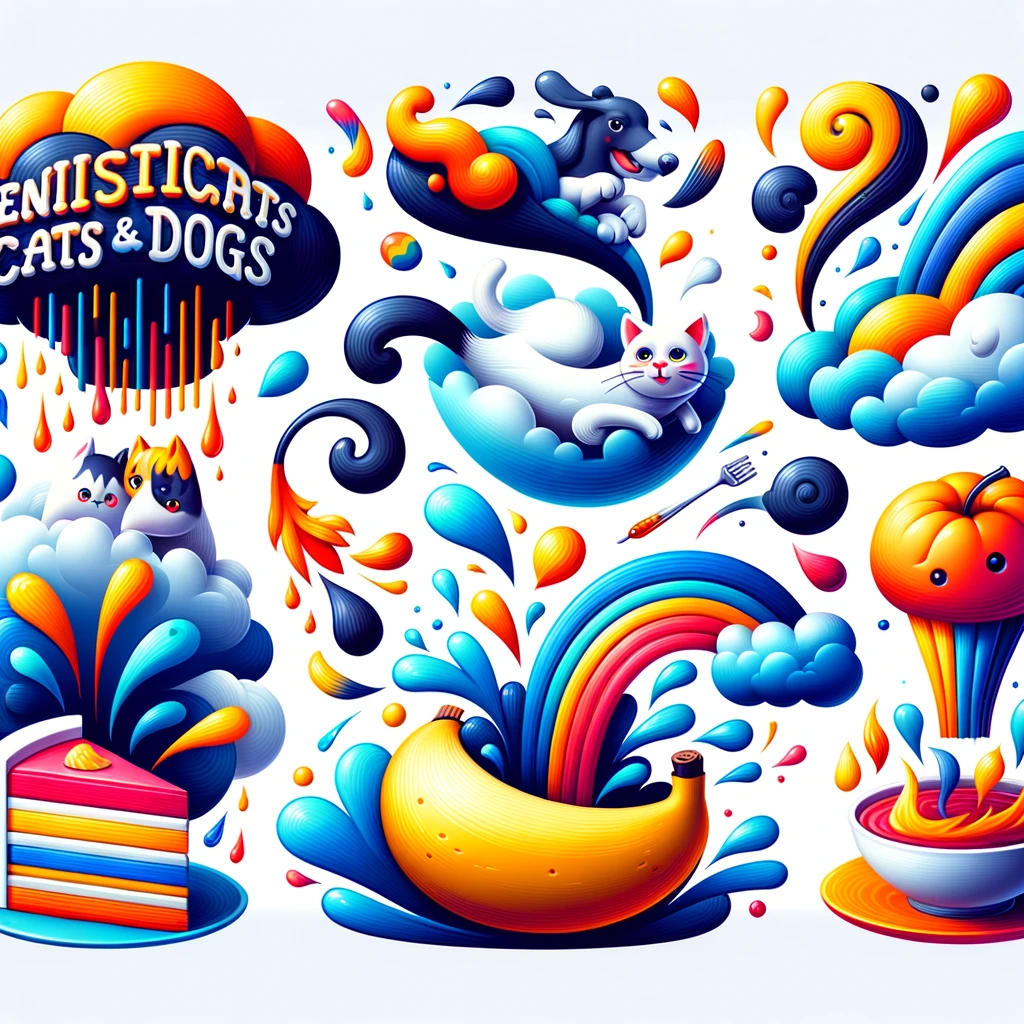
One of the most amusing and bewildering idioms is “it’s raining cats and dogs.” Picture the sky opening up and kittens and puppies tumbling down – quite the ridiculous spectacle, right? This expression vividly describes heavy rainfall but has no literal connection to animals. The origin of this idiom is debated. One theory suggests it emerged from 17th-century England, where storms swept through, leaving debris, including animals, in the streets. Another idea ties it to Norse mythology, involving dogs and wolves as symbols of wind and rain. The idiomatic phrase paints a whimsical picture, belying the seriousness of a torrential downpour. Understanding idioms like this helps non-native speakers grasp the cultural context and humor unique to English, making communication more relatable and lively.
Barking up the Wrong Tree
“Barking up the wrong tree” is an idiom evoking vivid imagery of a dog mistakenly barking at a tree, under the false impression its quarry is hiding there. This expression originates from hunting practices in 19th-century America. In those times, hunting dogs would chase animals up trees, but they occasionally barked at the wrong one. This idiom metaphorically refers to someone directing their efforts or attention in the wrong direction. It’s a humorous yet insightful expression highlighting human error and misjudgment, reminding us that even with confidence, it’s possible to be incorrect. Incorporating idioms like this into everyday language adds color, providing playful angles on situations that may otherwise seem mundane or frustrating.
Break the Ice
When people suggest that we “break the ice,” they aren’t handing out ice picks but rather advocating for easing tension in social situations. This idiom is used to describe initiating conversation in an awkward setting. Its origins are nautical; during winter, ships would often become trapped in ice, necessitating ice-breaking efforts before commerce or travel could resume. On a more metaphorical level, breaking the ice has associations with fostering open communication, friendliness, and collaboration. Whether it’s starting a meeting or trying to make new friends, using this idiom brings levity to situations that might otherwise feel stiff, emphasizing the transformative power of small efforts to promote connection and ease.
Hit the Nail on the Head
“Hitting the nail on the head” is an idiom with roots in carpentry, symbolizing precision and accuracy. This expression is used to commend someone for being exactly right or for having perfectly captured the essence of a matter. Just as a carpenter must strike the nail directly on its head to drive it cleanly, accurately addressing an issue or providing the correct analysis embodies this phrase. It’s a straightforward yet effective idiom adding punch to language through its tangible imagery. This phrase is versatile, perfectly assimilating into discussions where understanding or solving a problem with deftness is spotlighted, demonstrating the eloquence and clear-headedness of the speaker using it.
Cost an Arm and a Leg
When something is said to “cost an arm and a leg,” it’s clear it’s not an actual body part transaction but an idiomatic way of expressing something incredibly expensive. While the exact origin of this phrase is unclear, one theory connects it to the high prices of portraits during the 18th century, where body parts inclusion dictated costs. Symbolically, this idiom suggests that high expenses come at a personal sacrifice, making the exaggerated imagery memorable. The humor stems from imagining someone physically paying with limbs, while the reality points to financial strain. As a colorful alternative to bland terms like “very expensive,” this idiom vividly conveys the speaker’s perspective, injecting hyperbole and character into economic discussions.
The Ball is in Your Court
“The ball is in your court” takes its cue from tennis, portraying a picture where responsibility or decision-making power transfers to someone else. A ball crossing the net into another’s territory means it’s their turn to act. In conversation, this idiom is powerful, stressing autonomy and capability in decision-making processes. It is often employed in discussions to emphasize control or awaiting a reaction. The imagery from sports makes it dynamic, and whether discussing business decisions or personal choices, mentioning courts and balls playfully reiterates the fundamental shifts in agency and action. This idiom provides an equitable blend of humor and seriousness, distinctively guiding dialogues on responsibility.
Biting Off More Than You Can Chew
Imagine a person taking an enormous bite of food they can’t possibly manage—hilarity ensues, and we have the idiom “biting off more than you can chew.” This phrase warns against taking on more responsibilities or challenges than one can handle. Its origin is reportedly from the 1800s when chewing tobacco was popular. Some overzealous users would bite more than they could manage, just as some people ambitiously over-commit, risking failure. While certainly amusing in its visual aspect, this idiom serves as a cautionary device, advocating for self-awareness and moderation. Understanding and using such idioms with precision can infuse practical advice with humor, making even firm statements palatable and engaging.
Throw in the Towel
Derived from the boxing world, the idiom “throw in the towel” translates directly from the act of surrendering in a match, where a trainer throws a towel into the ring to signal defeat. Over time, this phrase has broadened to signify conceding or giving up on any challenge, not just boxing. With its origins anchored in sports, it conjures vivid imagery of a dramatic, almost theatrical capitulation. Utilizing this idiom conveys a blend of resignation and humor, offering a dramatic flair in environments as diverse as corporate meetings or casual conversations. It highlights the moment’s gravity while using sportsmanship terms to keep the tone light, adding a rich narrative dimension to statements of defeat or withdrawal.
Conclusion
Exploring English idioms is akin to diving into a treasure trove of linguistic humor and historical depth. These quirky expressions bring character to communication, offering both entertainment and insight. Understanding idioms such as “it’s raining cats and dogs” or “barking up the wrong tree” enriches one’s grasp of English, facilitating more nuanced and engaging conversations. Beyond their funny and curious nature, these idioms also reflect cultural histories and collective experiences woven into the language. Mastery of idiomatic expressions can enhance communication, as they encapsulate complex ideas into succinct, memorable phrases full of zest and life.
Embracing idioms in everyday interactions allows us to enrich our language use and connect with the culture and customs surrounding these expressions. Through idioms, we glimpse the playful yet intellectual evolution of language, reminding us of human creativity and shared heritage embedded within wordplay. So next time you find yourself deciphering or using an idiom, relish its humor and historical roots, making these expressions not just a tool for conversation but a joyful celebration of spoken and unspoken tales that bridge cultures and generations. Indeed, idioms are the spice of language, making everyday communication colorful, enriching our linguistic landscape through humor and heritage.
Frequently Asked Questions
1. What exactly are English idioms, and why are they so prevalent in the language?
English idioms are phrases or expressions that have a figurative meaning distinct from the literal interpretation of the words. For instance, “kick the bucket” means to die, which has nothing to do with actual buckets or kicking. These idioms are entrenched in the English language, making it rich and expressive. They often arise from historical events, literary works, cultural practices, or even folklore. Their prevalence is due to their ability to convey messages concisely and add a layer of humor or cultural context that makes communication more engaging and colorful. They aren’t just quirky phrases but are essential elements that add rhythm and soul to everyday conversations.
2. Why do idioms often seem confusing to non-native speakers?
Idioms can perplex non-native speakers because their meanings aren’t always literal or intuitive. Since idioms involve figurative language, understanding them requires going beyond the surface of words. A phrase like “let the cat out of the bag” can be bewildering because there’s no apparent connection between cats, bags, and revealing a secret. Additionally, idiomatic expressions are culturally bound; they often reflect traditions, social norms, or historical events that might be unfamiliar to those outside the culture. This cultural disconnection, combined with the figurative nature of idioms, can make them a linguistic riddle for non-native speakers.
3. How can I effectively learn and remember English idioms?
Learning idioms can be a fun and rewarding endeavor, though it requires a bit of strategy. Start by immersing yourself in contexts where idioms are commonly used, such as movies, books, and conversations with native speakers. Watching sitcoms and stand-up comedy, for example, can provide exposure to idiomatic language in action. Creating visual associations or stories can help cement an idiom in your memory—imagine someone actually letting a cat out of a bag when trying to recall the idiom related to revealing secrets. Additionally, keep a personal journal of idioms, including their meanings and example sentences. Regularly reviewing this list can reinforce your knowledge. Online resources and idiom dictionaries can also provide explanations and context, broadening your understanding over time.
4. What are some funny English idioms, and what do they mean?
English idioms often have humorous tones or unusual imagery that make them amusing. Take, for example, “raining cats and dogs,” which describes a heavy rainstorm and has no connection to animals falling from the sky. Another quirky one is “barking up the wrong tree,” which means to pursue a mistaken or misguided course of action, like a dog barking at a tree with no squirrel in it. Then there’s “mad as a hatter,” describing someone who is eccentric or mentally unstable—a phrase with roots in the hat-making industry where mercury poisoning led to erratic behavior. These idioms, among others, showcase the playful and imaginative nature that makes English lively and fun.
5. Can you explain the origins of some popular idioms?
Many idioms have fascinating backstories that reveal cultural practices or historical events. “Bite the bullet” has origins in battlefield surgery where, due to the absence of anesthesia, soldiers would literally bite on a bullet to endure pain. “Show your true colors” takes root in military deception, where ships would fly false flags to mislead enemies, revealing their “true colors” only when ready to engage. Similarly, “break the ice” was once literal, referring to ships breaking ice barriers to reach trade routes, and now metaphorically means to ease a tense or new social situation. Knowing these origins not only adds depth to their use but also connects us to history and culture in unexpected ways.