English, a language rich with idioms and expressions, often weaves its linguistic tapestry with references to life’s most fundamental experiences. Sleep, a universal need shared across cultures and ages, has inspired a variety of idiomatic expressions that pepper everyday conversation. From expressions that draw directly from the act of sleeping to those that use it metaphorically, these idioms provide a window into cultural attitudes toward rest, stress, and recovery. They reflect a nuanced language that can convey subtle meanings with vivid imagery. Whether used to emphasize the need for rest, signify giving up, or highlight the triviality of concerns, sleep-related idioms serve to enrich communication with their colorful, often humorous, touch. This article delves into the fascinating realm of English idioms that center around sleep, exploring both their literal and figurative meanings. By examining the usage, origin, and cultural implications of these idioms, we aim to uncover the layers of meaning embedded within these colloquial expressions. As we dissect some of these common sayings, it becomes evident how deeply intertwined language is with daily rituals and how idioms can serve as a mirror reflecting societal values and experiences.
Common Sleep-Related Idioms
The plethora of sleep-related idioms in English reflects how ubiquitous the subject of sleep is, in not just life but in language too. “Hit the sack” is one of the more straightforward idioms—it means to go to bed. This idiom evokes an image of a sack filled with soft, comforting hay, a throwback to times before modern mattresses were commonplace. Similarly, “hit the hay,” carries the same meaning and is often used interchangeably with “hit the sack.” Both expressions have a rustic quality, conjuring images of simpler times when beds were often makeshift arrangements that involved sacks of straw. Another widely used idiom, “burning the midnight oil,” speaks to staying up late into the night, typically due to work or study pressures. This idiom harkens back to a time when lamps burned oil late into the night as fueling fires for working or studying well past sunset was commonplace, emphasizing diligence or the necessity of work over rest. Conversely, “sleep on it” suggests taking time to contemplate a decision overnight, allowing one’s subconscious to process the decision while resting. This idiom underscores the importance of sleep in aiding cognitive function and decision-making processes.
Idioms Reflecting Sleepiness and Drowsiness
Sleepiness and its associated states have also inspired several idioms that vividly encapsulate the feeling of tiredness or lethargy. The phrase “catch some Z’s” is a playful way of saying to get some sleep, with the letter “Z” representing the sound of snoring in comic and visual media—hence, a phonetic portrayal of sleeping. This idiom reflects the lighter, more humorous aspects of language in conveying the universality of needing rest. “Running on fumes” is another idiom illustrating extreme tiredness or depletion. It originally referred to a car that’s almost out of fuel but has since been adapted to describe people who are physically and mentally drained. This idiom effectively conveys the sense of pushing one’s limits, with sleep being the metaphorical fuel that is absent.
Idioms with Metaphorical Applications
Sometimes, sleep-related idioms stretch beyond their initial meanings to encompass broader life lessons or imply metaphorical states. “Let sleeping dogs lie” advises to avoid interfering in a situation that is currently stable but could become problematic if disturbed. Here, sleep serves as a metaphor for dormancy or inactivity—emphasizing caution and prudence. Everyday conflicts or uneasy truths are best left undisturbed, akin to how waking a resting canine could create a disruptive situation. Then there’s “drop off to sleep,” which not only captures the act of falling asleep completely but can also metaphorically refer to a decline or lapse in other contexts, such as attention or productivity. The imagery here is of a gradual, gentle transition, not thunderous or hurried. Meanwhile, “sleep like a log” is used to describe a deep, undisturbed sleep. The simile likens the sleeper to a log, utterly still and unaffected by external disturbances. This idiom draws from the natural world to highlight the depth of restfulness.
Idioms Conveying Rest or Relaxation
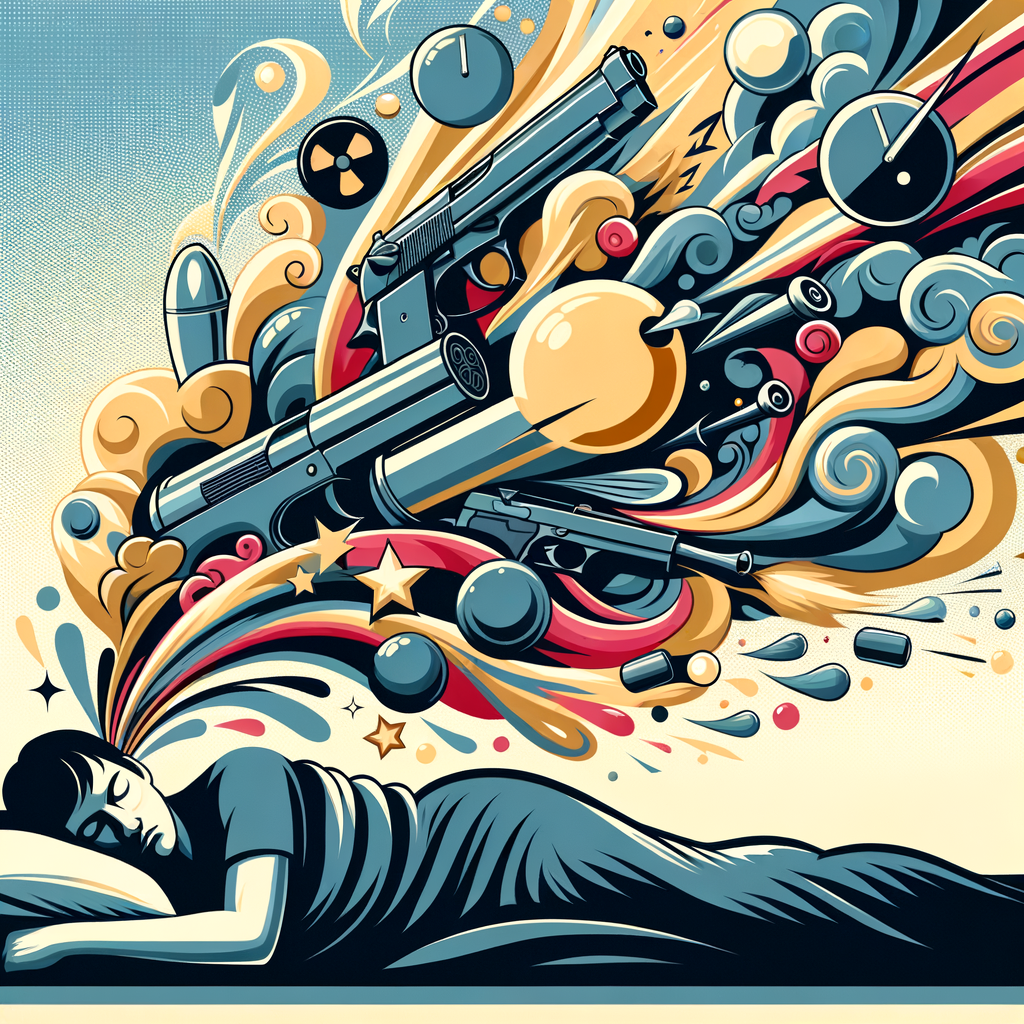
Rest and relaxation have their own set of idioms, emphasizing a return to peace or allowing oneself respite. “Down for the count” is borrowed from the boxing world and signifies being so exhausted that one is temporarily out of commission, figuratively at least. The phrase can also describe someone who is soundly asleep, linking restfulness and recuperation returning one to form. “Bite the bullet” before resting or taking a break implies enduring a less-than-pleasant situation before reaching a point of relief or comfort. Originating from times when soldiers would literally bite on bullets to endure pain, the phrase soon evolved to embody any form of endurance before relief. People often “take a catnap,” referring to a brief, light sleep that helps recharge energy quickly, much like the short naps cats indulge in throughout their day. This idiom highlights the benefits of resting in small increments, illustrating how brief rest can rejuvenate the spirit.
Idioms Expressing Stress-Related Sleep Difficulties
Stress and its adverse effects on sleep have also inspired idioms that paint vivid pictures of sleeplessness and anxiety. When someone “can’t sleep a wink,” they experience a completely restless night, often beset by worries or discomfort. This idiomatic expression conveys total insomnia in a succinct, almost poetic manner, with “wink” underscoring just how elusive even the tiniest moment of sleep can be. “Toss and turn” narrates a restless night’s sleep due to worry or stress, suggesting physical movement and discomfort as one struggles with racing thoughts—or perhaps an uncooperative bedfellow. Another stress-related idiom is “sleep tight,” which is often used to wish someone a restful, relaxing sleep. Interestingly, the phrase originates from the olden days, when mattresses were supported by ropes that needed to be tightly pulled to ensure a firm and comfortable sleeping surface, illustrating the means people used to ensure quality rest.
Conclusion
The exploration of sleep-related idioms reveals much about the human condition and cultural attitudes towards rest, resilience, and relaxation. These idioms, stemming from various cultural and historical backgrounds, showcase how language evolves to reflect both practical experiences and metaphorical insights. They offer a window into how societies perceive and prioritize sleep, as well as how they grapple with challenges such as sleeplessness and exhaustion. Sleep idioms enrich the English language by conveying complex states of being and acting as linguistic bridges between literal sleep and broader life experiences. As succinct metaphors or expressive turns of phrase, they capture the emotional, physical, and mental states associated with sleep, forging connections between language and life. Delving into these idiomatic expressions provides a deeper appreciation for the creative ways in which we communicate essentials, embellishments, and everything in between. Ultimately, the vivid imagery and relatable situations embedded in these idioms make them invaluable tools for both day-to-day conversation and deeper linguistic study. Through them, language not only informs but also illuminates, making the mundane act of sleeping an enduringly rich source of inspiration and reflection.
Frequently Asked Questions
1. What does it mean to “bite the bullet” in a sleep-related context?
The idiom “bite the bullet” actually originates from a completely different context than sleep—it comes from a time when soldiers might have needed to literally bite on a bullet during painful surgeries without anesthetics. However, when used metaphorically in relation to sleep, it takes on a different nuance. It generally means to endure a difficult or unpleasant situation, and when linked to sleep, it might mean accepting that you have to face something tough before you can have a good night’s rest. Perhaps you’ve had a long day and every fiber of your being wants to crash on your bed, but you have certain chores or responsibilities you simply cannot ignore. In this sense, you are “biting the bullet” to finish these tasks before you can finally hit the sack.
2. Why do people say “hit the sack” when they go to bed?
“Hit the sack” is an idiom that dates back to times when mattresses were filled with softer stuffing like hay, which was often placed within a sack. The idiom implies the action of someone literally hitting the sack with their body as they lie down to rest. It’s an informal way of saying you’re going to bed. People often use this phrase casually among friends or family to indicate that they’re calling it a night. The imagery it conjures suggests a direct and almost inevitable collapse into a state of sleep, much like how one might picture a boxer hitting a punching bag—it’s not just going to sleep, it’s surrendering to the need for rest after a day’s exertions.
3. Are there any sleep idioms that reflect a cultural attitude towards relaxation or stress?
Absolutely! The way that different cultures view relaxation, rest, and even the stress of being deprived of sleep often finds expression through idioms. In English, the term “down for the count” is borrowed from boxing culture and reflects a need for rest, usually after a bout of significant exertion or exhaustion, similar to a boxer being counted out after a knockout. When one says they’re “down for the count,” they’re indicating more than just going to sleep; it suggests a complete withdrawal from activity, needing to recooperate and recharge, reflecting the societal recognition of the importance of downtime.
4. How does the idiom “burning the midnight oil” relate to sleep?
“Burning the midnight oil” is an idiom that describes working late into the night beyond normal hours, suggesting an act of staying awake for study or work purposes. It denotes sacrifice of sleep in favor of accomplishing a task or meeting a deadline. This idiom hearkens back to times before electronic light, when oil lamps were used for illumination. Staying up late in present day can still be quite an effort, suggesting dedication or sometimes desperation. It also highlights the cultural perception of work ethics and the value placed on productivity even at the expense of sleep. However, modern conversations might often add a cautionary tone, as normalizing the reduction of sleep can impact health, reflecting contemporary awareness around well-being.
5. What does the expression “sleeping on it” mean and why is it important?
“Sleeping on it” is an idiom advising someone to deliberately wait before making a decision, allowing themselves time to rest and reflect overnight. The idea is rooted in the subconscious processing that happens during sleep, which can provide clarity or fresh insights by morning. In expressing the belief in the wisdom of rest, it underscores a cultural value placed on thoughtfully considered decisions rather than hasty judgments. It also implicitly acknowledges how fatigue or stress might cloud judgment and suggests a period for recovery and metaphorical distance from the situation. Recognizing the benefits of this overnight deliberation offers a more balanced approach to problem-solving and decision-making, reflecting psychological insights into sleep and cognition.