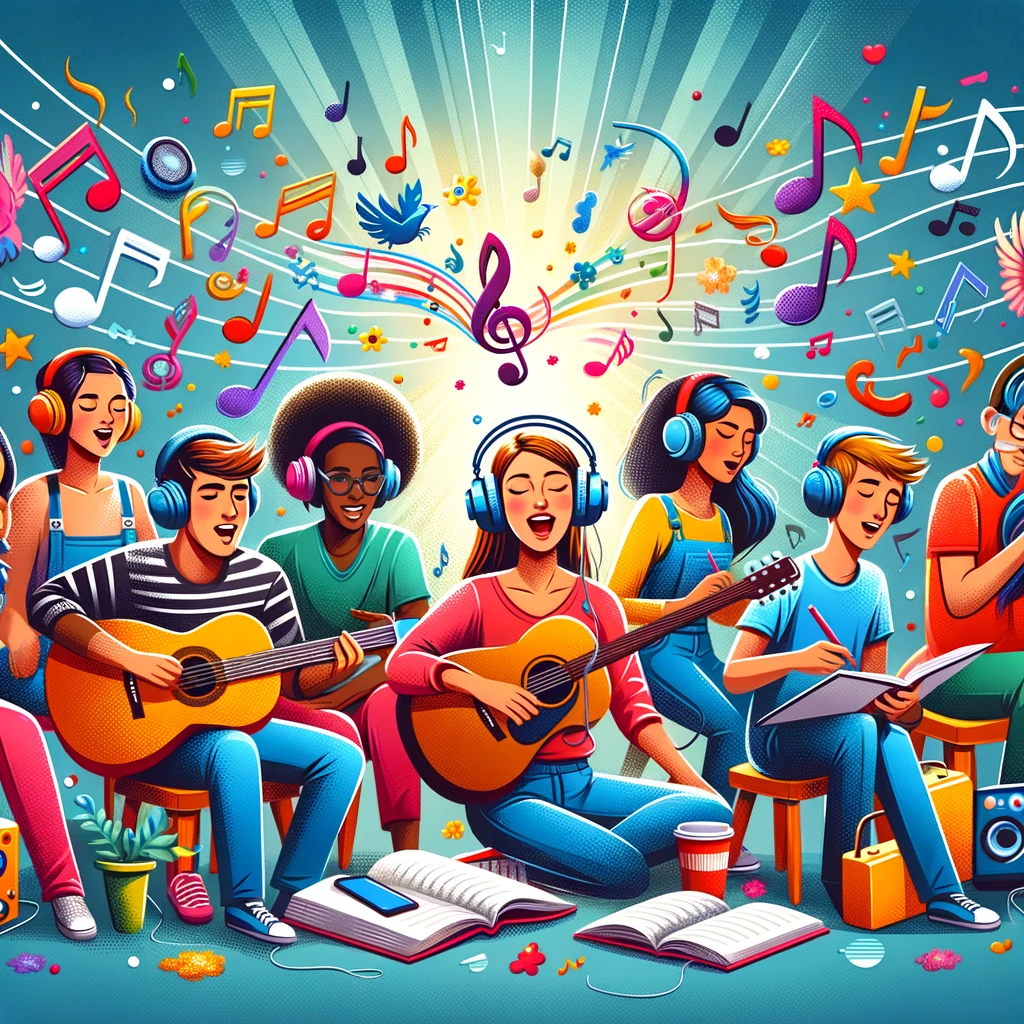
In today’s interconnected world, mastering group dynamics is a crucial skill for anyone learning English as a Second Language (ESL). Group dynamics refer to the ways in which people interact and communicate within a collective setting, encompassing both the roles individuals play and how these roles impact the group as a whole. Understanding and navigating these dynamics can greatly influence one’s ability to learn effectively, collaborate successfully, and cross cultural barriers. For ESL learners, group interactions often become both a challenging and rewarding part of the language-acquisition journey.
For instance, engaging in group projects or conversations with native English speakers can significantly enhance language proficiency and cultural understanding. Yet, the obstacles to effective participation—such as language barriers, cultural differences, and unfamiliarity with group roles—can limit an ESL learner’s ability to fully integrate and grow. Thus, learning how to effectively manage and succeed in group settings not only aids in language learning but also builds critical interpersonal and professional skills. As more individuals seek to become proficient in English for educational, professional, or personal reasons, learning to navigate group dynamics becomes an essential tool for achieving real-world communication success.
Understanding Group Roles and Responsibilities
Understanding the various roles that individuals may assume in a group is a foundational step in navigating group dynamics. Common roles include leaders, facilitators, recorders, and timekeepers, each serving a purpose that supports group objectives. ESL learners should recognize these roles to identify where they can best contribute. By observing interactions and assessing one’s own strengths, ESL learners can choose a role that aligns with their language skills while also promoting group cohesion.
Consider a study group composed of both native speakers and ESL learners tasked with collectively presenting a research topic. An ESL learner might excel as a timekeeper or recorder, positions which necessitate listening and summarization—the core of language practice. Meanwhile, they can observe and start participating in discussions led by a native speaker, gradually building confidence to take on a facilitative role in the future. By engaging in diverse group roles, ESL learners cultivate both language skills and team collaboration capabilities.
Communicating Effectively in Multicultural Environments
Effective communication is the key to successful group dynamics, particularly in multicultural settings. ESL learners must adapt to different communication styles and cultural nuances that inform group interactions. This process involves more than just translating words; it requires understanding context, tone, body language, and cultural references.
An example is an ESL student participating in a multinational business workshop. The workshop setting involves informal group discussions which may include idioms or references unfamiliar to an ESL learner. It is essential for learners to remain attentive, ask clarifying questions, and be honest when they do not understand something. Encouraging peers to use simpler language or explain unfamiliar concepts can ensure participation feels inclusive and productive.
- Acknowledge and respect cultural norms.
- Utilize active listening techniques.
- Seek feedback to improve communication.
Building Confidence and Assertiveness
Building confidence and assertiveness is a vital component of effective group participation for ESL learners. Confidence enables learners to voice opinions, take initiative, and engage in meaningful discussions. Assertiveness, on the other hand, is about expressing thoughts respectfully and standing by one’s ideas even in unfamiliar linguistic terrain.
Let’s imagine an ESL learner in a classroom debate. Initially, they might remain passive, refraining from speaking due to fear of language mistakes. However, when they prepare by practicing their points, familiarizing themselves with relevant vocabulary, and rehearsing possible scenarios, their self-assurance grows. Joining smaller discussions first can also help them build confidence before tackling larger group interactions. Encouragement from group members who provide positive feedback also reinforces this confidence. Assertiveness is nurtured through these gradual experiments with participation.
Leveraging Technology for Enhanced Group Collaboration
Technology acts as a bridge for ESL learners in navigating group dynamics by offering tools that facilitate interaction, comprehension, and collaboration. From messaging apps to collaborative platforms and language software, these tools support group functioning despite linguistic disparities.
A scenario illustrating this is an international team collaborating over a digital platform for a project. Using translation apps can bridge immediate understanding gaps, while collaborative tools like Google Docs enable everyone, regardless of language proficiency, to contribute effectively. Real-time editing provides non-native speakers a chance to improve grammar and vocabulary as they write. Video conferencing tools also help in catching verbal and non-verbal cues crucial for understanding. Thus, strategic use of technology can minimize language barriers and foster smoother group dynamics.
The Role of Feedback in Group Learning
Feedback is an intrinsic part of group dynamics, essential for improvement and growth. It enables ESL learners to recognize their strengths and identify areas that require further development. Constructive feedback promotes a culture of learning and adaptation, crucial for language proficiency.
Consider an ESL learner working within a peer feedback group designed to critique presentations. Receiving varied perspectives helps them understand different communication facets, and learn appropriate phrasing and pronunciation. Similarly, offering feedback forces one to articulate thoughts clearly, encouraging an active role in group learning dynamics. Groups that incorporate structured feedback sessions with kindness and precision foster mutual respect and create a supportive environment for all members.
Challenging Situations and Conflict Resolution
Encountering challenges and resolving conflicts are inevitable in any group setting, yet they offer invaluable learning experiences for ESL learners. Language differences may lead to misunderstandings, but proactive strategies can mitigate such conflicts.
In a team project, for example, differing opinions might arise regarding final decisions. An ESL learner, noticing potential conflict due to misunderstandings, can suggest summarizing group agreements in writing to avoid ambiguity. Taking initiative to mediate discussions by paraphrasing understood points can also aid in resolving misunderstandings while practicing language skills. By focusing on collaborative resolutions, ESL learners can become effective conflict solvers, enriching their communication toolkit.
Conclusion: Embracing Group Dynamics for Language and Personal Growth
Successfully navigating group dynamics is paramount for ESL learners looking to enhance their language skills and integrate seamlessly into diverse environments. By understanding group roles, honing effective communication, building confidence, leveraging technology, valuing feedback, and tackling conflicts, learners can embrace group dynamics as a catalyst for personal and linguistic growth. Each interaction, whether in educational, professional, or social settings, becomes an opportunity to practice and refine these skills.
The journey doesn’t end here. For ESL learners, every new group experience offers the chance to learn and adapt, building competencies that extend beyond language acquisition to real-world applications. As a call-to-action, learners should seek diverse group opportunities, be curious and proactive in contributing to group settings, and continuously reflect on and learn from each interaction. These efforts lay the foundation for not only mastering English but thriving in multicultural and collaborative spaces.
Frequently Asked Questions
1. What are group dynamics, and why are they important for ESL learners?
Group dynamics refer to the behaviors and psychological processes that occur within a social group, or between social groups. For ESL learners, understanding these dynamics is incredibly important as they often find themselves in multicultural settings where effective communication and collaboration are key. Mastery of group dynamics enables ESL students to become more comfortable and adaptive in these group settings, facilitating better learning outcomes. It’s not just about speaking English—it’s about interpreting social cues, understanding cultural variations, and knowing the roles within a group. This understanding helps in navigating different interactions smoothly, contributing positively to group tasks and discussions.
2. How can an ESL learner participate effectively in group discussions?
Being an effective participant in group discussions involves active listening, which is just as important as speaking. An ESL learner should focus on listening to understand the viewpoints of others. Asking clarifying questions if something is not understood is crucial—it helps in better comprehension and also shows your eagerness to engage. Practicing speaking up and sharing thoughts clearly and concisely can build confidence. Additionally, showing respect towards differing opinions and contributing constructively by building on others’ ideas can make group discussions more productive. It’s also vital to be aware of non-verbal communication, such as body language and facial expressions, as they are key components of interaction in many cultures.
3. What are some strategies ESL learners can use to improve their role within a group?
Improving your role within a group begins with self-awareness—understanding your strengths and how they complement the group. ESL learners can start by identifying what they are good at, be it organizing, generating ideas, or being a mediator. Taking on responsibilities that allow them to use their strengths can increase their contribution level and confidence. Setting personal goals for each group setting, such as speaking a certain number of times or taking the lead in small tasks, can also help improve one’s role over time. Seeking feedback from group members on performance also provides valuable insights into areas of improvement and adjustment.
4. How can cultural differences impact group dynamics in an ESL environment?
Cultural differences can deeply affect group dynamics, influencing communication styles, decision-making processes, and conflict resolution methods. In an ESL environment, individuals come from diverse backgrounds with varying norms regarding politeness, hierarchy, and communal interactions. For instance, some cultures might value direct communication and assertiveness, while others may prioritize harmony and indirectness. ESL learners need to be mindful of these differences and adapt their interaction styles accordingly to avoid misunderstandings. Embracing these cultural variations is not only respectful but enriches the group experience, allowing students to learn from one another and leverage this diversity for innovative and inclusive problem-solving.
5. What should ESL learners do if they feel overwhelmed or excluded in a group setting?
Feeling overwhelmed or excluded can happen to anyone in a group, especially if one is grappling with both language and cultural differences. It’s important for ESL learners to first recognize these feelings and not internalize them or let them fester. If comfortable, they should communicate their feelings openly with the group—or at least with a trusted member or group leader. They can explore ways to work through these issues together—whether through more inclusive discussion formats or ensuring everyone gets a chance to speak. Additionally, seeking support from teachers or facilitators can provide guidance and possibly mediate the situation. Building connections with group members outside of formal settings can also help in forging stronger bonds and minimizing feelings of exclusion.