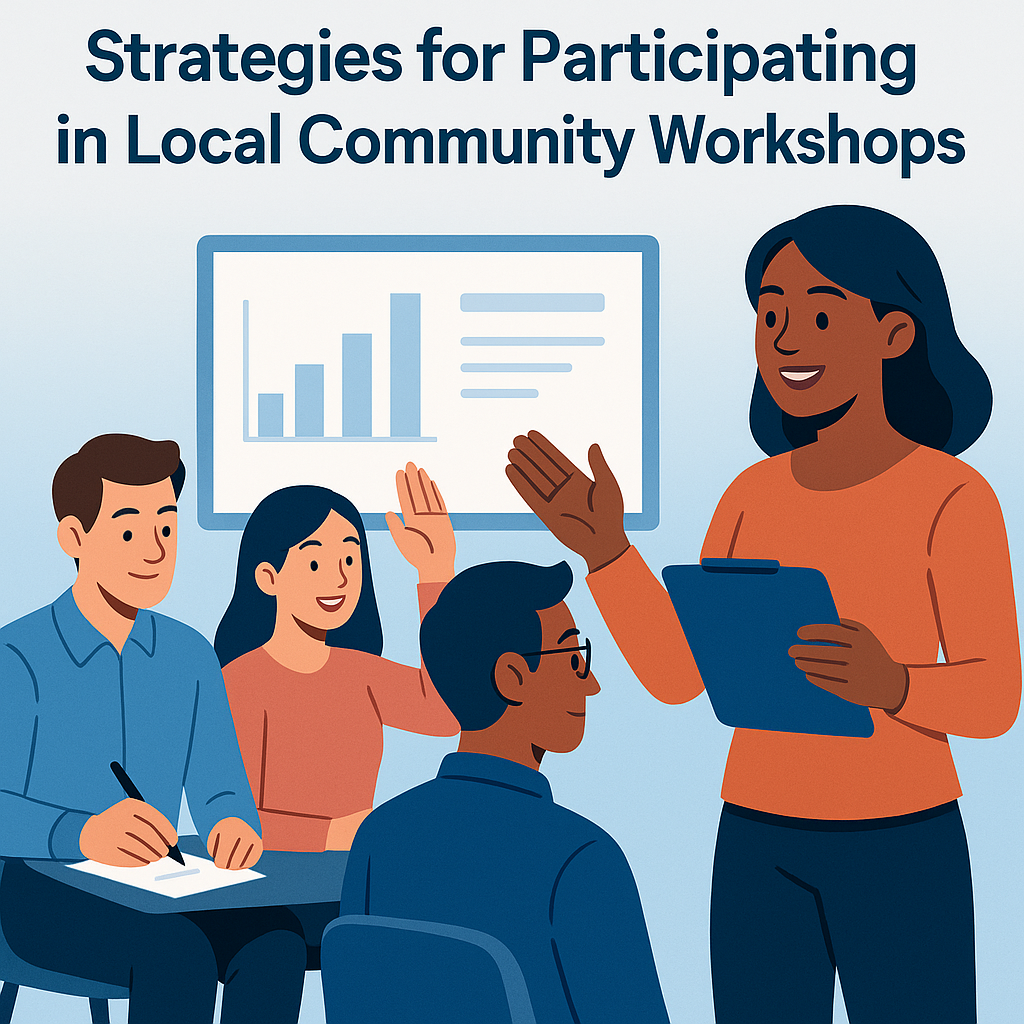
Community workshops are a vital component of civic engagement, fostering collaboration and personal development. Participation in such initiatives connects individuals with shared interests, enhancing community bonds and driving collective action towards common goals. The significance of community workshops lies in their ability to empower attendees, offering a platform for knowledge exchange, skill development, and communal problem-solving. By engaging in local workshops, individuals contribute to their communities while gaining invaluable personal growth and insight.
Understanding how to effectively participate in these workshops is crucial for maximizing their potential benefits. Key terms such as “community workshops,” “participation strategies,” and “local engagement” are essential to grasp in this context. Community workshops are organized gatherings focusing on specific topics, aimed at fostering learning, discussion, and community involvement. Participation strategies refer to the approaches individuals can adopt to engage meaningfully within these settings. Local engagement encompasses efforts made by individuals to contribute to and benefit from communal activities and initiatives.
In today’s fast-paced world, being involved in community workshops enables individuals to remain informed, build networks, and actively participate in shaping their environments. With this in mind, mastering strategies for participating in these workshops becomes imperative. This article outlines effective participation strategies for local community workshops, offering insights into the processes that enhance both individual and collective experiences.
Preparation: The Key to Effective Participation
Preparation is a foundational step for anyone looking to actively participate in a community workshop. Adequate preparation ensures that individuals are both well-informed and confident, allowing them to contribute effectively. Prior to attending a workshop, individuals should take the time to research the topic at hand, familiarizing themselves with the central themes, goals, and objectives of the session. This involves reading any pre-distributed materials, researching current trends or issues related to the topic, and understanding the workshop’s agenda.
An example of the importance of preparation can be seen in educational workshops within a community seeking to improve local schooling quality. Participants who have reviewed educational policies, current school performance data, and successful programs from other areas are likely to contribute more significantly than those who arrive unprepared. Another aspect of preparation includes setting personal goals for the workshop. Understanding what one hopes to achieve—be it gaining knowledge, connecting with like-minded individuals, or sharing personal expertise—can guide participation effectively.
Engagement: Active Participation Techniques
Once in the workshop, active engagement is crucial. Active participation involves listening attentively, asking questions, and contributing to discussions. Effective listening cannot be overstated; it ensures that participants understand the dialogues and viewpoints being exchanged, which better informs their contributions. Questions should be well-thought-out and aim to clarify or expand upon topics discussed. An example of active engagement can be observed in environmental sustainability workshops where participants help drive the conversation by introducing local green initiatives.
Moreover, contributing to discussions is vital. Individuals can share relevant experiences or insights drawn from personal or professional backgrounds. For instance, in a health and wellness community workshop, a participant’s story about a successful local health campaign can inspire others and provide a practical framework for new projects. Active engagement not only benefits the individual but enriches the collective knowledge and output of the workshop.
Networking: Building Connections for Future Collaborations
Networking is a significant advantage of participating in community workshops. Workshops often bring together diverse individuals who share common interests, providing a fertile ground for networking. Building connections can lead to future collaborations, idea sharing, and extended community engagement. It is important to be approachable, engage in small talk, and exchange contact information with other participants.
An effective strategy for networking is to participate in group activities or breakout sessions that often occur during workshops. For example, during a local economic development workshop, collaborative projects or group problem-solving exercises offer individuals a chance to network more effectively. Making a lasting impression can be as simple as expressing genuine interest in others’ perspectives and contributions during these activities.
Feedback: Offering Constructive Input to Maximize Impact
Feedback is an essential component of community workshops that should not be overlooked. Constructive feedback provides organizers with valuable insights into what worked well and areas needing improvement, aiding in the enhancement of future workshops. Participants should be encouraged to express their thoughts honestly and constructively, focusing on specific elements such as the content, facilitation style, and overall organization.
The impact of providing feedback is evident in community arts workshops. Feedback from participants regarding the clarity of instructions or the availability of materials can lead to significant improvements in subsequent events. After offering verbal feedback, participants may be requested to complete surveys or participate in follow-up discussions. This structured approach ensures that feedback is both comprehensive and actionable.
| Strategy | Action | Benefit |
|---|---|---|
| Preparation | Research and set personal goals | Increases confidence and contribution quality |
| Engagement | Listen, ask questions, and share insights | Enhances understanding and enriches discussion |
| Networking | Participate in group activities and exchange contacts | Builds connections and future collaboration opportunities |
| Feedback | Provide honest and constructive input | Helps improve future workshops |
Follow-Up: Maintaining Momentum After the Workshop
Effective participation does not end once the workshop concludes. Following up on connections made and insights gained is crucial for maintaining momentum. Participants should reach out to individuals they met, express appreciation, and explore potential collaborations. Implementing learned skills or ideas into daily practices or projects ensures that the workshop’s benefits are long-lasting.
An example of effective follow-up is seen in community safety workshops. Participants might form neighborhood watch groups or organize follow-up meetings to discuss progress and new challenges. By maintaining enthusiasm and continuing the conversation outside the workshop setting, participants solidify the teachings and networks formed during the workshop, driving sustained community impact.
Overcoming Common Barriers to Participation
Despite the benefits of community workshops, several barriers can hinder effective participation. These barriers include apprehension about speaking in groups, time constraints, and geographic limitations. Addressing these barriers requires intentional strategies. For example, workshops can incorporate ice-breaking sessions or introductory activities to minimize apprehension and make all participants feel comfortable.
To overcome time constraints, workshops could offer flexible scheduling such as evening or weekend sessions, and provide virtual access or recordings for those unable to attend in person. Real-world examples of overcoming geographic limitations include workshops that offer online components, as seen during the global shift to digital platforms amid the COVID-19 pandemic, ensuring broader accessibility.
By recognizing these barriers and adopting proactive strategies, individuals can enhance their participation in local community workshops, ensuring that they reap the full range of benefits these forums have to offer.
Conclusion
Participating in local community workshops is an invaluable opportunity for individuals to engage with, learn from, and contribute to their communities. By implementing effective participation strategies such as preparation, active engagement, networking, and offering feedback, attendees can maximize both personal and community benefits. These steps not only enhance individual experiences but also bolster the overall impact of workshops.
The key takeaways from this exploration into community workshop participation are the importance of being well-prepared, actively engaging with the content, building a network for future opportunities, and providing feedback to sustain and improve workshop quality. The guidance provided herein equips individuals to become more effective participants, making their voices heard and contributing positively to community development.
As a call-to-action, individuals should seek out local community workshops related to their interests, apply these strategies, and experience firsthand the benefits of actively contributing to these dynamic community events. In doing so, they not only enhance their own skills and networks but also fortify the fabric of their communities.
Frequently Asked Questions
1. What are some effective strategies for participating in local community workshops?
Participating in local community workshops effectively requires some preparation and consideration. First, do your homework by researching the workshop’s agenda, its purpose, and the topics that will be discussed. Knowing what to expect will help you contribute meaningfully. Make it a point to attend with an open mind, ready to share your perspectives but also eager to listen and learn from others. Networking is a critical aspect of workshops, so take the initiative to connect with fellow participants. Be involved by asking questions and engaging in discussions, which not only enriches your understanding but also aids in building relationships with people who have similar interests. Lastly, follow-up is essential. Whether it’s reaching out to contacts you’ve made, implementing what you’ve learned, or participating in any post-workshop activities, staying engaged after the event can significantly enhance your experience and impact.
2. How do I prepare for a community workshop to maximize my learning and contribution?
Preparation is key to maximizing your learning and contribution in a community workshop. Start by reviewing any materials provided beforehand, such as the agenda, reading assignments, or recommended resources. This background knowledge will give you a solid foundation for participating in discussions. Set clear goals for what you want to achieve, whether it’s understanding a particular topic better or networking with specific organizers or attendees. Prepare questions you have about the workshop topics and think about how you might contribute your own experiences and insights. Remember to bring necessary materials with you, such as a notebook for notes, business cards for networking, and any other tools that might aid your participation. Being well-prepared will help you engage more deeply and make your contributions more impactful.
3. What should I do if I’m nervous about participating in a community workshop?
It’s perfectly normal to feel nervous about participating in a community workshop, especially if you’re new to such experiences or if the topics are outside your comfort zone. To ease anxiety, familiarize yourself with the workshop content ahead of time and start by participating in online forums or less formal community events to build your confidence. Consider arriving early to meet facilitators or other attendees in a more relaxed setting, which can help you settle in and feel more at ease. Practice self-encouragement and focus on the positive impacts of your participation, both for yourself and for the community. Also, remember that you’re there to learn and contribute, and everyone benefits from diverse perspectives. Start slowly by listening actively and contributing when you feel comfortable. Over time, your confidence will grow as you engage more regularly in these crucial community conversations.
4. How can these community workshops help in building community bonds and driving collective action?
Community workshops are highly effective in building community bonds and driving collective action as they bring together individuals with shared values, goals, and interests. By offering a platform for open discussion, they foster dialogue and understanding between participants, which strengthens relationships and trust within the community. The collaborative atmosphere encourages participants to work together to identify and address communal challenges, often leading to collective problem-solving and action plans. Workshops provide an avenue for community members to actively engage in civic life, which not only empowers individuals but also mobilizes the group towards common goals. As participants share knowledge, skills, and experiences, they create a sense of ownership and responsibility for community outcomes, which further unites them in their efforts and initiatives.
5. What should I do after attending a community workshop to continue my engagement?
Post-workshop engagement is crucial to extend the benefits of your participation. Start by reflecting on your notes and any materials from the workshop, and think about how you might apply new insights or techniques in your community or personal projects. Reach out to people you met—networking doesn’t stop after the event. Follow up with them via email or social media, and consider setting up meetings or discussions to deepen those connections. Participate in any follow-up events or meetings proposed during the workshop, and explore any new opportunities for involvement or collaborative projects that arise. Share your experiences and what you have learned with other community members who couldn’t attend, potentially inciting interest and inspiring others to engage. Continuing the conversation and relationships nurtured during the workshop plays an integral role in turning ideas into concrete actions and maintaining sustained community involvement.