

In today’s globally interconnected world, mastering the English language can open numerous doors, particularly in the realm of Environmental Science. As concerns about climate change, biodiversity loss, and sustainability gain momentum, there is a growing need for scientists, policymakers, and activists who can collaborate on an international scale. English has established itself as the lingua franca—the common language—permitting seamless communication among people from various linguistic backgrounds. This article delves into how pivotal English is in the field of Environmental Science, highlighting its role in research, policy-making, education, and activism.
Firstly, it’s worth noting that much of the world’s scientific literature is published in English. Peer-reviewed journals, which contain cutting-edge research findings, predominantly use English as the medium of communication. Consequently, researchers from non-English-speaking countries often have to develop their English skills to not only comprehend these articles but also to contribute their findings to the global scientific community. This allows for an indispensable exchange of knowledge that propels the field forward.
Moreover, international conferences and symposiums on Environmental Science are largely conducted in English. These events offer unique opportunities for professionals and students in the field to network, collaborate on projects, and gain new insights from experts worldwide. Without a good grasp of English, the benefits one can derive from these gatherings are significantly diminished.
English in Research and Academic Publishing
English has become the universal language of science. A significant percentage of scientific papers and research studies related to Environmental Science are published in English, making it essential for anyone in the field to possess a good command of the language. Journals such as Nature, Science, and Environmental Research Letters not only provide a platform for disseminating groundbreaking findings but are also essential reading for staying updated in the field.
In academic circles, the language barrier can impede the sharing of knowledge. By possessing strong English language skills, researchers can reach a broader audience and ensure their work has a global impact. Conversely, understanding English enables scientists to glean insights from pivotal studies and data from around the world, thus fostering a more inclusive and comprehensive understanding of environmental issues.
Additionally, English proficiency allows researchers to collaborate on international projects, which are increasingly common as the need for global solutions to environmental problems becomes apparent. Whether it’s a cross-border study on climate change or multinational conservation efforts, effective communication in English is key to the success of these endeavors.
English in Environmental Policy-Making
The role of English extends beyond academic research to the realm of environmental policy-making. International agreements, treaties, and conventions, such as the Paris Agreement on climate change, are often drafted and negotiated in English. Policymakers and negotiators who are proficient in English can better engage in these discussions, ensuring their country’s perspectives and interests are adequately represented.
Furthermore, English proficiency enables professionals to access a wealth of policy documents, guidelines, and resources available from international organizations such as the United Nations Environmental Programme (UNEP) and the World Wildlife Fund (WWF). Understanding these documents is crucial for aligning local and national policies with global standards and best practices.
By staying informed about international environmental policies and participating in global discussions, English-speaking policymakers can help formulate more effective and harmonized policy responses to environmental challenges. They can also contribute to the creation of innovative solutions that are suitable for diverse cultural and geopolitical contexts.
English in Environmental Education
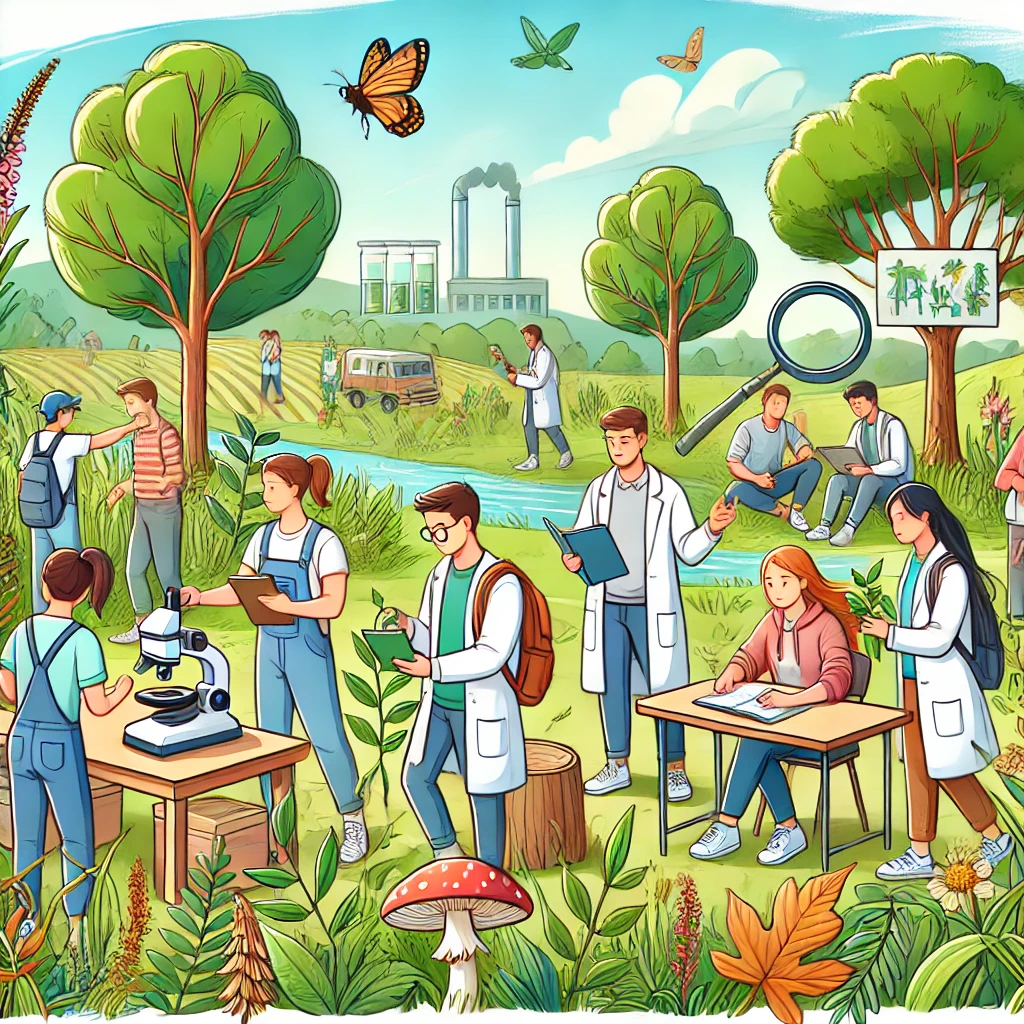
Environmental education is another area where English plays a critical role. Universities and academic institutions around the world offer numerous courses and degree programs in Environmental Science, many of which are conducted in English. For students aspiring to build a career in this field, proficiency in English is often a prerequisite for enrolling in these programs.
Moreover, English serves as a bridge to a vast array of educational resources. Students and educators can access textbooks, research papers, online courses, and instructional videos that are primarily available in English. This wealth of information can enhance their understanding of environmental issues and help them stay abreast of the latest developments in the field.
Additionally, English proficiency can enable students to participate in exchange programs, internships, and fieldwork opportunities abroad. These experiences can provide valuable hands-on learning and exposure to different environmental contexts and practices, enriching their overall education and career prospects.
English in Environmental Activism
English has also become a powerful tool for environmental activists worldwide. Social media platforms like Twitter, Facebook, and Instagram predominantly use English as their main language, making it easier to reach a global audience. Activists can raise awareness about pressing environmental issues, mobilize support for campaigns, and coordinate actions across borders, all through the medium of English.
Moreover, many influential environmental organizations and movements, such as Greenpeace and Extinction Rebellion, operate primarily in English. Activists who are proficient in the language can better engage with these organizations, access important resources, and participate in international advocacy efforts.
By mastering English, environmental activists can amplify their voices, connect with like-minded individuals globally, and drive collective action towards a sustainable future. This interconnectedness is crucial for addressing environmental challenges that know no borders, such as climate change, pollution, and habitat destruction.
Conclusion
In conclusion, the importance of English in Environmental Science cannot be overstated. From research and academic publishing to policy-making, education, and activism, proficiency in English can significantly enhance one’s ability to contribute to and benefit from the field. As environmental challenges become increasingly complex and global in nature, the need for effective communication and collaboration across borders has never been more critical.
By mastering English, individuals can access a wealth of knowledge, engage in meaningful discussions, and drive impactful actions that transcend linguistic and cultural barriers. Whether you are a student, researcher, policymaker, or activist, investing in your English language skills can open up new horizons and empower you to make a difference in the world of Environmental Science.
Ultimately, the role of English in Environmental Science underscores the interconnectedness of our world and the collective responsibility we share in safeguarding our planet for future generations. As we continue to explore new horizons and tackle environmental challenges, let English be the bridge that unites us in our quest for a sustainable and thriving world.





