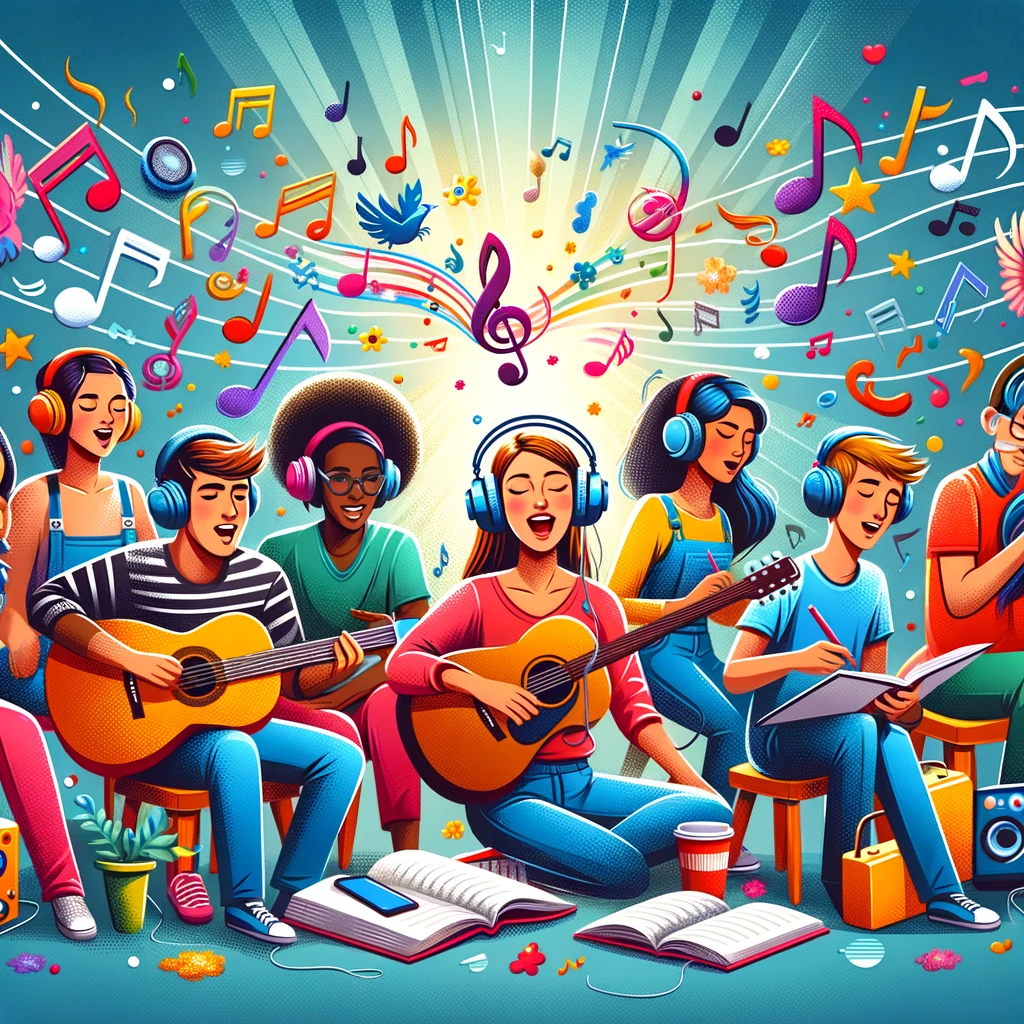
English, as a global lingua franca, has a significant impact that stretches far beyond communication, commerce, and technology. Among the diverse arenas it influences, visual arts stand prominently. For artists and art enthusiasts worldwide, mastering English not only opens up access to a broader spectrum of opportunities but also allows for a richer interpretation and appreciation of diverse art forms. From international art exhibitions and galleries to literature and critics, the art world is often intertwined with the English language. This article delves into the influence of English on global visual arts and explores how it shapes, enhances, and sometimes challenges the way art is created, exhibited, and perceived.
Global Art Communication and Collaboration
Art is a universal language, yet the medium through which it is discussed and critiqued often relies heavily on English. This is especially true in an era where global communication is instantaneous and widespread, largely thanks to the internet. English acts as a common ground for artists from different linguistic backgrounds to collaborate, share insights, and gain inspiration from one another. Renowned international art platforms like Art Basel and the Venice Biennale, where artists from around the globe converge, conduct their operations and publish their key communications in English. Through social media, blogs, and online forums, English-speaking artists and art aficionados create a vast network of creative exchange. These platforms encourage cross-cultural dialogue, allowing artists to reach a global audience that would be otherwise inaccessible due to language barriers. Artists who are proficient in English can more easily build relationships with curators, galleries, and fellow artists, potentially leading to international exhibitions and collaborations that might not have occurred otherwise. In essence, the mastery of English can vastly expand an artist’s horizon by breaking down geographical and linguistic barriers, fostering a more integrated and collaborative global art scene.
The Role of English in Art Education
English dominates the world of art education. Many of the most prestigious art schools and institutions offer programs and courses mainly in English. This is not exclusively the case in English-speaking countries such as the United States or the United Kingdom. Institutions in non-English-speaking countries also recognize the importance of English to achieving global recognition and attracting international students. Courses, seminars, and workshops conducted in English allow students from various parts of the world to participate. These students not only benefit from high-quality education, but they also get the opportunity to interact with peers from diverse backgrounds, thus broadening their perspectives. Furthermore, many of the key texts, research papers, and reference materials in the field of visual arts are written in English. Scholars and students proficient in English can access a wealth of knowledge that might otherwise remain out of reach due to translation limitations. Moreover, art educators who are able to teach in English can further their careers by participating in international conferences and publishing their research in well-known English-language journals. Thus, mastering English opens doors to both learning and contributing to the global body of art knowledge.
Art Criticism and Literature
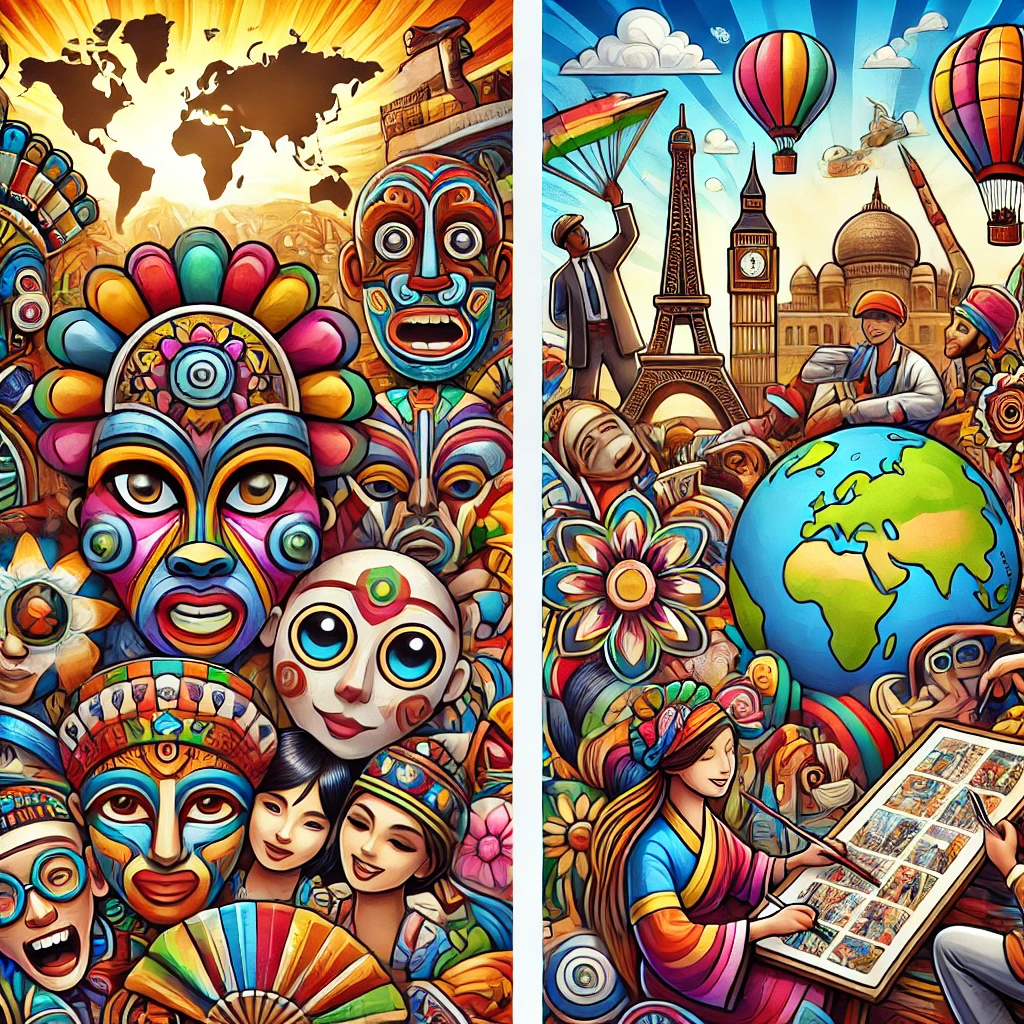
Art criticism and literature play an influential role in shaping the careers of artists and the direction of art movements. Many of the most influential art critics and historians write in English. Publications such as Artforum, Frieze, and Art in America serve as critical platforms where artworks are analyzed, discussed, and disseminated to a global audience. An artist who can understand and engage with criticisms and dialogues in these prominent English-language magazines and journals can better navigate the art world. They can respond to critiques, incorporate constructive feedback, and align their work with contemporary global discussions. This interaction is crucial for their professional development and for gaining recognition within the broader art community. Additionally, art history is replete with significant works and historical accounts documented in English. Being proficient in English allows artists and art students to access these comprehensive studies and analyses, enriching their understanding of the artistic lineage and their place within it. It also means they can contribute their own writings and perspectives, entering a wider discourse and potentially influencing future courses and critiques in visual arts.
Marketing and Promoting Artwork
The ability to communicate effectively in English is an invaluable asset when it comes to marketing and promoting artworks. In an era where digital platforms and social media play critical roles in art sales and promotions, English serves as the primary language on these portals. Artists who can present their work in English are at a distinct advantage when it comes to reaching a global audience, including potential buyers, galleries, and art lovers. Being proficient in English allows artists to write compelling portfolios, artist statements, and descriptions of their work. This not only makes their art more accessible to a wider audience but also enhances the perceived professionalism and credibility of the artist. Furthermore, mastering English enables artists to engage with international art buyers and negotiate deals, ensuring clear communication and better business relations. For non-native English speakers, learning the language can significantly amplify their promotional efforts. They can harness the power of English-language art websites, online galleries, and social media to showcase their work to a global audience, leading to increased visibility and potentially greater sales.
Challenges and Opportunities
While the dominance of English in the realm of visual arts offers numerous advantages, it also presents challenges, particularly for non-native English speakers. One issue is the potential for ethnocentrism, where art that does not conform to the dominant English-speaking cultural norms may be overlooked or undervalued. This can lead to a skewed representation of global art that favors English-speaking artists and critics. However, this challenge can also be viewed as an opportunity for greater inclusivity and diversity. Artists and institutions aware of this bias can take active steps to bring non-English-speaking artists into the global conversation. Translation services, multilingual platforms, and inclusive policies can help bridge the gap, ensuring that the diversity of global art is fully represented and appreciated. Moreover, for non-native English-speaking artists, the process of mastering English can be seen as a pathway to empowerment. By gaining proficiency in English, they can navigate the dominant art world more effectively, share their unique perspectives, and challenge the status quo from within. This dual approach of addressing bias while empowering artists can lead to a richer and more inclusive global art scene.
Conclusion
English undeniably exerts a profound influence on the global visual arts landscape. It serves as a bridge, enabling communication, collaboration, and cultural exchange among artists from diverse geographic and linguistic backgrounds. By mastering English, artists gain access to premier art education, influential criticism, and wider promotional platforms. This can significantly impact their careers and their ability to contribute to and shape global art narratives. However, it’s also essential to acknowledge and address the challenges that come with this influence. Ensuring that the visual arts remain inclusive and representative of all cultures requires a concerted effort to recognize and elevate the voices of non-English-speaking artists. By fostering multilingualism and cultural diversity within the art world, we can enrich the global art tapestry and create a more equitable field for all artists. For learners of English – particularly those involved in the visual arts – this discussion underscores the importance of language proficiency as a tool for empowerment and success. By investing in learning English and engaging with the global art community, artists and art lovers alike can contribute to a vibrant and diverse artistic landscape that transcends linguistic boundaries.