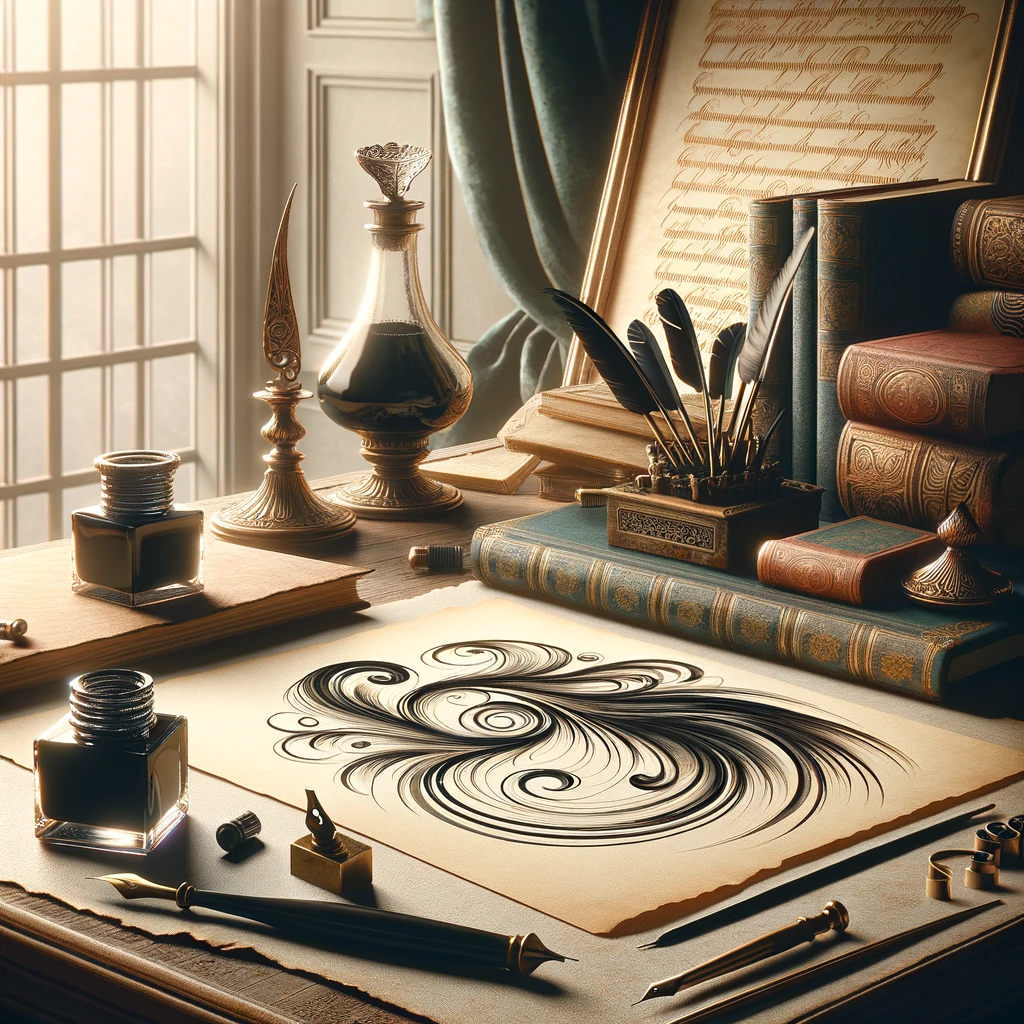
Calligraphy, derived from the Greek words ‘kallos’ (beauty) and ‘graphein’ (to write), is the art of beautiful handwriting. It’s a form of expression where letters are not just written but are brought to life with artistic strokes and styles. In the realm of English calligraphy, this art takes a unique form, blending tradition with contemporary creativity. This comprehensive guide will take you through the journey of English calligraphy, highlighting its history, techniques, tools, and modern applications.
Historical Roots of English Calligraphy
Calligraphy has been an integral part of human civilization for centuries, with each culture developing its own unique style. English calligraphy, in particular, has its roots in the monasteries of Medieval Europe. Monks painstakingly copied texts by hand, not only preserving knowledge but also turning these manuscripts into works of art. The Gothic script, known for its angular and dense style, was predominant during this era.
As time progressed, English calligraphy evolved. The Renaissance period brought a revival of classical ideals and introduced the Italic script, characterized by its sloped and elegant form. This period marked a significant shift, making calligraphy accessible and popular among the educated.
Tools of the Trade
Before diving into techniques, understanding the tools is crucial. The primary instruments in calligraphy are the pen, ink, and paper.
- Pens: Traditional calligraphy is performed with a dip pen and a nib. There are various nibs available, each producing different strokes. Broad-edge nibs create thick and thin lines ideal for Gothic and Italic scripts, while pointed nibs are used for scripts like Copperplate and Spencerian.
- Ink: High-quality calligraphy ink contributes to the fluidity and consistency of your writing. While black ink is traditional, there’s a rainbow of colors available for more vibrant compositions.
- Paper: The right paper can significantly enhance your calligraphy experience. It should be smooth to prevent ink bleeding but with enough texture for nib traction.
Basic Techniques and Styles
English calligraphy is diverse, with several styles to explore. The foundational step for all beginners is understanding basic strokes. These strokes form the building blocks for letters and vary depending on the script.
- Gothic Script: This script is all about precision and geometry. Practice involves creating straight lines and mastering the consistency of angles.
- Italic Script: The Italic script is more fluid and natural. The key is to maintain a consistent slant and fluid connections between letters.
- Copperplate: This elegant script is characterized by thick downstrokes and thin upstrokes, achieved with a pointed nib.
Each style has its own rhythm and personality. Beginners should start with one style, master it, and then experiment with others.
The Creative Process
Calligraphy is not just about replicating styles; it’s also about creativity. Once you have mastered the basics, you can start experimenting.
- Layout and Design: Think about the overall composition. Playing with the arrangement of words and incorporating elements like flourishes can add a unique touch.
- Mixing Scripts: Combining different scripts in one piece can create interesting contrasts and highlight certain words or phrases.
- Incorporating Art: Calligraphy pairs beautifully with other art forms. Incorporating illustrations or using calligraphy as part of a painting can lead to stunning mixed-media pieces.
Modern Calligraphy and Digital Adaptations
The advent of digital technology has opened new avenues for calligraphy. Digital pens and tablets allow for the creation of calligraphic art without traditional tools. This medium also offers the advantage of easy editing and reproduction. Furthermore, modern calligraphy often adopts a more free-form and less structured approach, making it accessible to a wider audience.
Practical Applications
Apart from being a form of artistic expression, calligraphy has practical applications. It’s used in wedding invitations, logo design, and decorative artwork. Learning calligraphy can also improve your handwriting and enhance your appreciation of typography.
Workshops and Communities
Joining a calligraphy workshop or community can significantly boost your learning curve. It offers an opportunity to receive guidance from experienced calligraphers and to share and learn in a community setting.

Detailed Techniques for Beginners
For those starting their journey in English calligraphy, mastering the basic techniques is key. Here are some step-by-step guidelines:
- Holding the Pen: The way you hold the calligraphy pen influences your control and stroke quality. Hold the pen at a consistent angle, typically between 30 to 45 degrees, depending on the script.
- Understanding Pressure: Applying varying pressure is crucial, especially in scripts like Copperplate. Downstrokes require firmer pressure for thicker lines, while upstrokes are lighter.
- Practicing Basic Strokes: Before forming letters, practice basic strokes. These include vertical lines, horizontal lines, curves, and loops. Consistent practice of these elements builds muscle memory and control.
- Forming Letters: Begin forming letters, starting with simple ones. Pay attention to their structure and strive for consistency in size and spacing.
- Joining Letters: Once comfortable with individual letters, start practicing joining them to form words. This is where the art of rhythm and flow comes into play.
Remember, patience and regular practice are crucial in calligraphy. Each script requires time to learn, so don’t rush the process.
Evolution of Calligraphy in the Digital Age
In the digital era, calligraphy has not just survived; it has thrived. Digital tools have democratized the art, making it accessible to a broader audience. Programs like Adobe Illustrator and apps for tablets with stylus support allow aspiring calligraphers to practice without investing in traditional tools. These platforms offer immense flexibility and the ability to experiment with styles and colors without fear of wasting resources.
Digital calligraphy has also opened up new professional avenues. Calligraphers now contribute to digital media, create content for social media, and even work in user interface design, enhancing the aesthetic appeal of digital products.
Therapeutic Benefits of Practicing Calligraphy
Engaging in calligraphy is not just a creative endeavor; it’s also a therapeutic one. The focus and concentration required in calligraphy can be a form of mindfulness, helping to reduce stress and improve mental well-being. The repetitive motion of strokes can be meditative, providing a calming effect.
Furthermore, the satisfaction of creating something beautiful with one’s own hands contributes to a sense of accomplishment and can boost self-esteem. Calligraphy can be a solitary activity, providing a quiet space for introspection, or a communal one, offering opportunities to connect with like-minded individuals.
Advanced Techniques and Experimentation
As you progress in your calligraphy journey, exploring advanced techniques and experimenting with your style is vital for growth:
- Flourishing: Learning to create flourishes can add an elegant touch to your work. These ornamental strokes should complement the letters, not overwhelm them.
- Variation in Mediums: Don’t limit yourself to ink and paper. Experiment with other mediums like brush pens, watercolors, and even digital tools.
- Personal Style Development: As you gain proficiency, start developing your unique style. This could mean tweaking traditional scripts or creating something entirely new.
- Project-Based Learning: Engage in different projects, like creating a calligraphy piece for an event or combining calligraphy with other art forms. This not only boosts your skills but also enhances your creative thinking.
Resources and Continuing Education
There are numerous resources available for those interested in deepening their calligraphy skills:
- Online Tutorials and Courses: Platforms like Skillshare, YouTube, and Udemy offer courses ranging from beginner to advanced levels.
- Books and Publications: Many books are dedicated to the art of calligraphy, offering in-depth knowledge on techniques and styles.
- Calligraphy Forums and Social Media Groups: Online communities are great for getting feedback, sharing work, and staying motivated.
- Workshops and Conferences: Attending live workshops and conferences provides hands-on experience and networking opportunities with other calligraphers.
Final Words
The art of English calligraphy is a journey of constant learning and discovery. It’s an art form that bridges the gap between the past and the present, traditional and modern. Whether you’re picking up a calligraphy pen for the first time or are an experienced scribe, each stroke offers a new opportunity for expression and creativity. Embrace the challenges and joys of calligraphy, and let your creative journey unfold.