
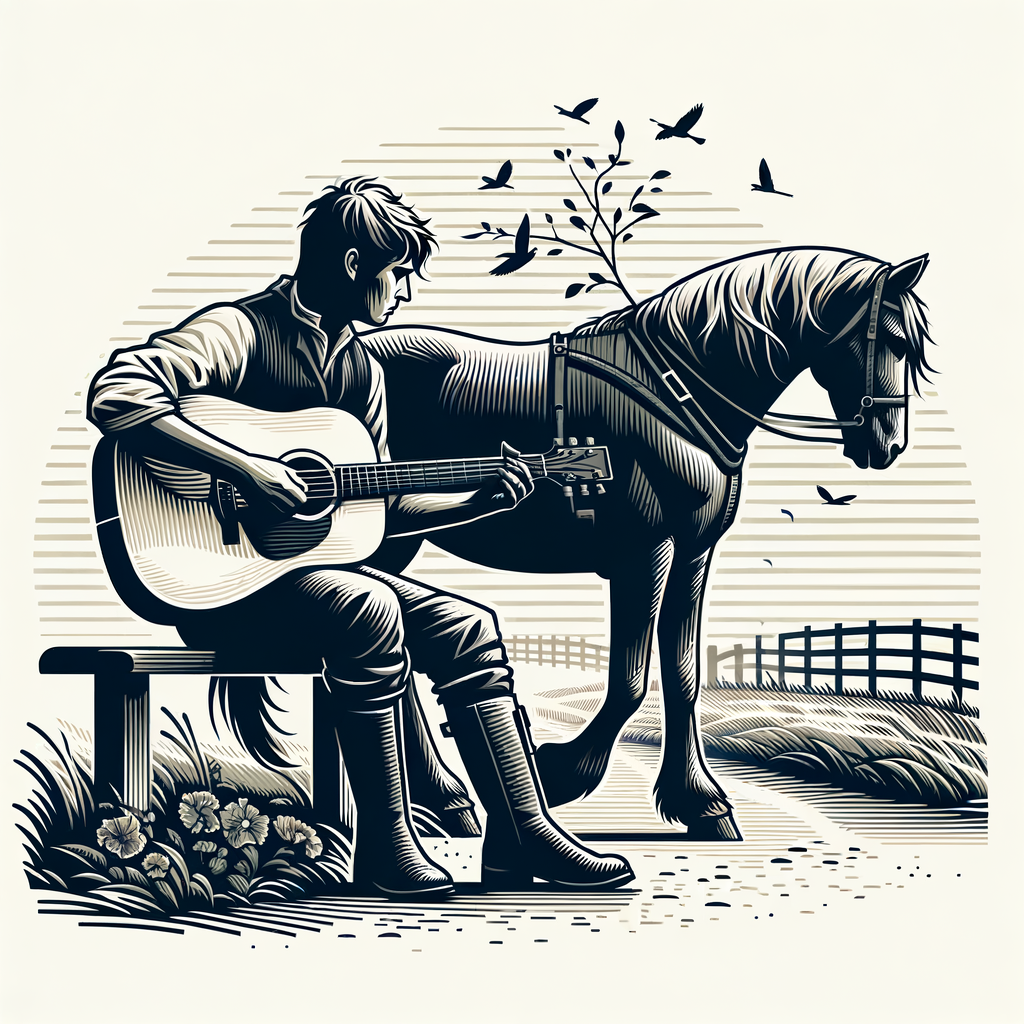
English folk songs serve as a captivating repository of the United Kingdom’s cultural, historical, and social evolution. These traditional melodies encompass tales of love, war, work, and daily life, passed down orally through generations, long before they were captured in written form. The stories they tell are not just confined to their lyrics; the vocabulary used in these songs provides a window into the times in which they were written. Understanding these songs and their language allows us to gain insights into the lives of people from different historical periods across England’s diverse regions. In this article, we will delve deeply into the essence of English folk songs, exploring their origin, themes, vocabulary, and the cultural significance they hold. By examining the words and phrases that have persisted through time, we can appreciate not only the storytelling but also the evolution of the English language itself. Folk songs have served not just as entertainment but also as documentation of historical events and expressions of communal identities. Through their exploration, we aim to highlight the importance of preserving these cultural treasures and learn from their enduring legacy.
History and Origins of English Folk Songs
The history of English folk songs is deeply entwined with the nation’s history itself. Folk songs originated from everyday life experiences, serving as a reflection of the times. They were commonly sung by ordinary people, with themes illustrating the cultural and social conditions of the eras in which they were composed. Unlike the structured compositions of classical music, these songs were spontaneously crafted and memorized, making their way from generation to generation long before the advent of musical notation.
The roots of English folk music can be traced back to the medieval period. During those times, minstrels and troubadours traversed the countryside, bringing music and tales to the common folk. These musicians played a pivotal role in spreading melodies across regions, with each performer adding personal variations to the tunes and lyrics. This tradition of oral transmission allowed folk songs to evolve, absorbing influences from various localities and inevitably leading to a rich variety of regional styles.
In the 19th century, the Industrial Revolution brought significant societal changes, creating a new urban working class. Folk songs began to reflect the struggles and experiences of this demographic shift. Correspondingly, the revival movements of the late 19th and early 20th centuries, spearheaded by figures like Cecil Sharp, saw the formal collection and preservation of these songs. It was during this time that many songs were documented, ensuring their survival into the modern era and sparking renewed interest and pride in England’s cultural heritage. The Folk Song Society, founded in 1898, played an instrumental role in this revival by systematically collecting and cataloging these traditional melodies, thus preserving them for future generations.
Themes in English Folk Songs
English folk songs are distinguished by their broad and varied themes. They provide a fascinating insight into the lives of the peasantry and working class throughout history. One prevalent theme is love and romance, with songs often detailing courtship, fidelity, separation, and heartbreak. These love ballads reflect the emotional spontaneity of human relationships and are timeless in their appeal, resonating through generations.
Another significant theme is labor and occupation. Folk songs narrate the rigors and rewards of various trades, with farmers, miners, sailors, and weavers being common subjects. These occupational songs not only express pride in hard work but also highlight the social conditions and economic struggles faced by working-class communities. Through these songs, listeners can understand the importance of different trades in historical economies and the collective spirit among workers.
War and conflict have profoundly influenced English folk music, with numerous songs lamenting the impact of battles from medieval skirmishes to more modern conflicts like World Wars. These songs often depict personal tales of soldiers, bravery, and sacrifice, providing a humanizing perspective on historical events. Additionally, protest songs emerged from political and social unrest, giving a voice to the disenfranchised and championing causes like labor rights and justice.
Lastly, many folk songs incorporate elements of nature and the supernatural. They frequently personify nature as a force that both influences and reflects human emotions, with rich imagery of landscapes, seasons, and wildlife. Supernatural elements, including ghost stories and legends, add an eerie, mystical charm, underscoring the cultural beliefs and superstitions of the time.
Vocabulary and Language in English Folk Songs
The language of English folk songs is as rich and varied as their themes. The vocabulary used in these songs is key to understanding the historical context and societal values of the time periods in which they were popular. The use of dialects and colloquial expressions reflects not only regional distinctions but also connects the songs to their specific locales. This linguistic diversity demonstrates the variation in the English language throughout the country’s history.
Many folk songs feature archaic words and phrases that are no longer in common use. Understanding these terms can be challenging, yet they provide an authentic glimpse into the vernacular of past eras. For instance, terms like “bonnie” for pretty, “wain” for child, and “brae” for hillside are indicative of northern dialects, linking songs to specific regions like Yorkshire and Lancashire. The linguistic richness of folk songs offers an audio map of England, tracing the evolution of language across counties.
Repetition and rhyme are prominent features in folk song lyrics, aiding in their oral transmission. The use of recurring phrases, such as “fair and lovely” or “greenwood tree,” contributes to the memorability and rhythm of the songs. This lyrical structure not only enhances the musical quality but also emphasizes key themes, making the stories engaging and easy to recall.
Furthermore, metaphors and symbolic language abound in folk music, offering deeper meanings and universal truths within the narratives. Frequently employed symbols like the “rose” and “willow” represent love and sorrow, respectively, allowing listeners to connect with the emotions conveyed in the songs. These symbols transcend time, making the messages of folk songs relevant to contemporary audiences.
Cultural Significance
Folk songs hold immense cultural significance, serving as an enduring archive of English heritage. They reveal the values, struggles, and joys of the communities from which they originated, cementing a collective identity and a sense of belonging among people. By encapsulating important historical events and personal stories, they offer an intimate glimpse into the lives of previous generations.
Over time, folk songs have shaped and reflected national identity. During periods of social change or national unrest, they provided a platform for expressing dissent or solidarity. As a form of protest music, they advocated for worker’s rights, social justice, and other causes that rallied collective support for change. This role as a voice for the voiceless underscores the societal importance of folk music.
The preservation of folk songs and their examination in modern contexts continue to nurture a connection between past and present. They offer educational opportunities, allowing both scholars and everyday enthusiasts to study English history, linguistics, and culture. Community events and festivals celebrating folk music further promote cultural continuity, ensuring that these songs remain vibrant components of England’s musical landscape.
The ongoing revival and reinterpretation of English folk songs by contemporary musicians demonstrate their timeless influence. Artists draw inspiration from traditional melodies and themes, blending them with modern sounds to create new genres, thus illustrating the adaptive nature of folk music. This adaptability ensures that folk songs, despite their historical origins, remain dynamic and relevant to new generations.
Conclusion
The exploration of English folk songs and their vocabulary offers a unique and enriching journey through history, culture, and language. Far more than simple tunes, these songs capture the essence of human experiences, documenting emotions and events that have shaped English society. They allow us to appreciate the simplicity and complexity of life as reflected through different lenses across centuries.
Preserving and studying these songs not only honors the past but provides vital insights for understanding contemporary society. The themes, language, and stories of folk songs are threads that weave the fabric of cultural continuity, reminding us of common human experiences shared across time and space. By continuing to celebrate and engage with folk music, we ensure that this rich cultural heritage will inspire future generations and maintain its relevance in an ever-evolving world.
In appreciating the vocabulary and themes of English folk songs, we unlock the potential to learn valuable lessons from history and apply them in our lives today. The timelessness of these songs lies in their ability to connect us — past, present, and future — giving voice to our shared humanity and enriching our understanding of English culture and language.





