
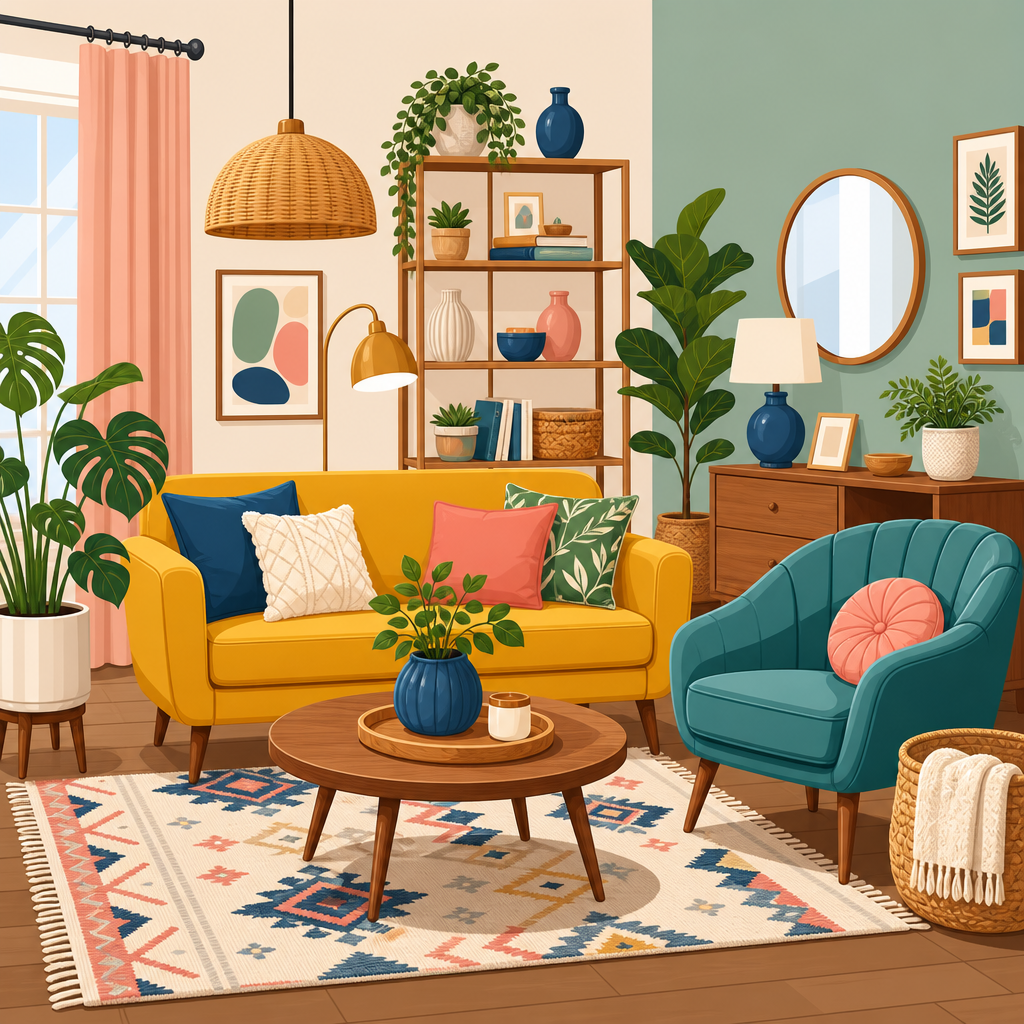
Vocabulary for home decor, furniture, and interior style helps English learners describe living spaces with precision, confidence, and cultural accuracy. If you are renting, furnishing a first apartment, browsing listings, or speaking with a landlord, designer, roommate, or salesperson, these words matter because they turn vague descriptions into useful information. Instead of saying a room looks “nice,” you can say it feels minimalist, cozy, cluttered, bright, or traditional. Instead of pointing at an object, you can name a loveseat, sideboard, ottoman, sconce, or headboard. I have seen learners make faster progress when they group words by function, location, and visual effect rather than memorizing long random lists.
In this context, home decor means the items and design choices that shape how a home looks and feels, such as rugs, curtains, artwork, lamps, and color palettes. Furniture refers to practical movable pieces like sofas, dining tables, dressers, and bookshelves. Interior style describes the broader visual identity of a room, such as modern, rustic, industrial, Scandinavian, bohemian, or mid-century. These categories overlap in everyday conversation. A person might say, “My furniture is modern, but my decor is more eclectic,” or “The apartment has great bones, but the style feels dated.” Understanding that distinction helps you follow real conversations, product descriptions, and apartment tours.
This vocabulary also matters because home language often appears in housing searches, rental inventories, maintenance requests, and shopping discussions. When a listing says “partially furnished,” you need to know whether that includes a bed frame, dining set, or only major appliances. When a seller says a sofa is upholstered in linen blend fabric, or a cabinet has solid wood veneer, those details affect durability, price, and care. Strong vocabulary reduces misunderstandings and makes you sound more natural in English, especially when comparing options, asking questions, or explaining your preferences clearly.
Core furniture vocabulary by room and function
The easiest way to learn furniture vocabulary is by room and by purpose. In the living room, the central item is usually the sofa, also called a couch in informal American English. A sectional is a sofa made of connected segments, often L-shaped. A loveseat is a smaller two-seat sofa. An armchair is a single cushioned chair with side supports. A coffee table sits low in front of seating, while a side table or end table stands beside a sofa or chair. A media console holds a television and electronics. In many stores, shelving units, bookcases, and display cabinets are listed separately, so learners should not treat them as interchangeable terms.
In the bedroom, key words include bed frame, mattress, headboard, nightstand, dresser, wardrobe, and chest of drawers. A bed frame supports the mattress; a headboard is the upright panel behind the bed. A dresser is wide and usually lower, while a chest of drawers is taller and narrower. A wardrobe is a freestanding clothing cabinet, especially common in homes without built-in closets. In the dining area, useful terms include dining table, dining chair, bench, sideboard, buffet, and bar stool. A sideboard or buffet stores dishes, serving ware, and linens. In the home office, desk, task chair, filing cabinet, and bookshelf are standard terms that appear often in furnishing discussions.
Materials and construction terms are just as important as object names. Upholstered means covered in fabric, leather, or another soft material. Solid wood is different from particleboard, MDF, or veneer. Flat-pack furniture is sold disassembled for home assembly, a term many learners first encounter with IKEA products. Fold-out, stackable, wall-mounted, adjustable, and freestanding describe function and placement. When I help learners practice shopping dialogues, these descriptive terms make the biggest difference because they allow precise questions: “Is this table extendable?” “Does the wardrobe come assembled?” “Is the shelf load-bearing?” Those are real, practical English questions.
Decor vocabulary that changes a room’s look and mood
Decor vocabulary focuses less on structure and more on atmosphere. Textiles are a major category: curtains, drapes, blinds, shades, rugs, throws, cushions, and bedding. Curtains are fabric panels, while blinds usually use slats and shades use continuous material. A throw is a light blanket used for comfort or decoration. Cushions in British English often correspond to decorative pillows in American English. Bedding includes sheets, pillowcases, duvet covers, comforters, quilts, and blankets. These distinctions matter when shopping online because the wrong word can lead to the wrong product.
Lighting vocabulary also shapes how people describe interiors. Overhead lighting refers to ceiling fixtures such as pendants, chandeliers, flush mounts, and recessed lights. Task lighting serves a specific purpose, such as a desk lamp or reading lamp. Accent lighting highlights a feature, often through sconces, LED strips, or spotlights. Warm light usually creates a cozy atmosphere, while cool light feels brighter and more clinical. In real estate photos, poor lighting can make even a well-furnished room feel cramped. That is why people often say a room is airy, sunlit, dim, or moody rather than simply bright or dark.
Accessories complete the visual language of a room. Common terms include wall art, framed prints, mirror, vase, centerpiece, houseplant, candle holder, tray, and decorative objects. Learners should also know arrangement words such as layered, balanced, symmetrical, asymmetrical, cluttered, sparse, coordinated, and mismatched. A room can feel cohesive when colors, materials, and shapes work together. It can feel eclectic when different influences mix intentionally. It can feel chaotic when there is too much visual competition. These words help you explain not just what you see, but why a room feels comfortable, elegant, or overwhelming.
Interior style words and what they actually mean
Style vocabulary causes confusion because many labels are used loosely in ads and social media. Modern usually refers to a clean, simplified look with minimal ornament, while contemporary means current and can borrow from several trends. Minimalist emphasizes restraint, open space, and fewer objects. Scandinavian style uses light colors, natural materials, simple forms, and practical comfort. Mid-century modern typically includes tapered legs, streamlined wooden furniture, and designs influenced by the 1940s through 1960s. Industrial style features exposed brick, metal, concrete, dark tones, and utilitarian details. Rustic suggests weathered wood, natural textures, and a warmer, more traditional feel.
Other useful labels include traditional, farmhouse, bohemian, coastal, eclectic, and transitional. Traditional interiors often use classic furniture shapes, symmetry, and richer finishes. Farmhouse style emphasizes simplicity, wood textures, and practical comfort, although modern farmhouse adds black fixtures and cleaner lines. Bohemian, often shortened to boho, layers patterns, textiles, plants, and collected objects for a relaxed look. Coastal style uses light palettes and breezy textures inspired by seaside homes. Eclectic combines multiple eras or influences, and transitional blends traditional and modern elements. When learners know these distinctions, they can understand why two beige rooms may still be described very differently.
Color and finish vocabulary supports style language. Neutral colors include white, beige, taupe, gray, and greige, a blend of gray and beige. Accent colors add contrast in smaller amounts. Matte, satin, gloss, distressed, polished, brushed, and textured describe surface finish. Hardware means knobs, handles, pulls, hinges, and metal fittings. Saying “The kitchen has brushed brass hardware and matte cabinets” sounds natural because it matches how native speakers discuss interiors. If you are also learning apartment language, this broader housing guide is useful for context: English for renting an apartment. It connects room vocabulary with practical rental conversations.
How to use home vocabulary naturally in real conversations
Memorizing lists is not enough; learners need sentence patterns that match real situations. The most useful structure is item plus feature plus opinion. For example: “The sofa is upholstered in velvet, but it feels too bulky for the room.” Another reliable pattern is room plus atmosphere plus reason: “The bedroom feels calming because the palette is neutral and the lighting is soft.” When comparing products, native speakers often use concise contrast language: sleeker, sturdier, cheaper, easier to maintain, more spacious-looking, or better suited to small apartments. These forms appear constantly in furniture reviews, design advice, and buying conversations.
A practical way to build fluency is to learn vocabulary in clusters and attach each cluster to a common task. The table below shows useful pairings I recommend in lessons and conversation practice.
| Situation | Useful vocabulary | Example sentence |
|---|---|---|
| Apartment viewing | furnished, unfurnished, built-in, dated, spacious | The unit is spacious, but the furniture looks dated. |
| Furniture shopping | upholstered, solid wood, extendable, assembly, delivery | Is this extendable table made of solid wood? |
| Describing style | minimalist, cozy, industrial, neutral, textured | I want a cozy look with neutral colors and textured fabrics. |
| Room feedback | cluttered, balanced, focal point, lighting, layout | The layout works, but the lighting makes the space feel cluttered. |
Pay attention to collocations, because certain words naturally appear together. People say statement rug, accent chair, floor lamp, fitted sheet, gallery wall, open shelving, and blackout curtains. They say a room has character, natural light, high ceilings, or a cohesive palette. They usually do not say a lamp is “strong” when they mean bright, or a room is “fashionable” when stylish sounds more natural. I correct these small choices often because vocabulary accuracy is not only about dictionary meaning; it is about sounding native, specific, and appropriate to the situation.
Common mistakes, regional differences, and smart study methods
Several home words vary by region. In American English, apartment is more common than flat, couch is more common than sofa in casual speech, and comforter is common where British English may prefer duvet with duvet cover. Cupboard, cabinet, closet, and wardrobe overlap but are not identical. A closet is usually built in, while a wardrobe is freestanding. Learners also confuse carpet and rug. Carpet often means fixed floor covering; a rug is movable. Another frequent mistake is using decoration for every object. Decor is the broader style category, while a decoration is one decorative item.
The best study method is active description. Walk through your home and label every visible object, material, and style cue out loud. Then describe each room in three ways: practical, visual, and emotional. Practical means naming function: “This sideboard stores plates.” Visual means describing appearance: “It has a matte black finish.” Emotional means describing effect: “It makes the room feel grounded.” I use this method because it mirrors real communication. People do not discuss interiors only as vocabulary exercises; they explain needs, preferences, problems, and impressions. That is how these words become durable, useful English.
Home decor, furniture, and interior style vocabulary gives you more than attractive adjectives; it gives you control in everyday English. You can understand listings better, ask sharper shopping questions, describe rooms accurately, and express personal taste without hesitation. The most useful approach is to learn words by room, function, material, and mood, then practice them in realistic sentences. Focus on distinctions that matter in real life, such as sofa versus sectional, rug versus carpet, modern versus contemporary, and curtains versus blinds.
As your vocabulary grows, your descriptions become clearer and your decisions become easier. You will notice details in listings, showrooms, and conversations that once felt invisible. Start with the rooms you use most, build short descriptions, and repeat the terms until they feel natural. Then use them the next time you tour an apartment, buy furniture, or talk about your ideal home.
Frequently Asked Questions
1. Why is learning vocabulary for home decor, furniture, and interior style useful in everyday English?
Learning this vocabulary is useful because it helps you describe spaces clearly, naturally, and accurately in real-life situations. In everyday English, people often talk about apartments, houses, furniture, layouts, colors, and design preferences, especially when renting a place, shopping for furniture, hosting guests, or discussing repairs and improvements. If you only know general words like “nice,” “big,” or “good,” your meaning may be too vague. More specific vocabulary lets you say that a room is spacious, narrow, bright, cozy, cluttered, modern, traditional, or minimalist. That level of precision makes your English sound more confident and more helpful.
This vocabulary is especially important when you need practical results. For example, if you are speaking with a landlord, you may need to describe built-in storage, hardwood floors, a furnished unit, or outdated appliances. If you are shopping, you may want to compare a sofa, loveseat, armchair, coffee table, bookshelf, or dining set. If you are discussing style, words like rustic, industrial, contemporary, neutral, bold, elegant, and functional help you explain your taste instead of guessing. In short, home decor and furniture vocabulary improves communication, reduces misunderstandings, and helps English learners participate more comfortably in common conversations about living spaces.
2. What are the most important vocabulary categories to learn for talking about home interiors?
The most important categories usually include room types, furniture names, decor items, materials, layout vocabulary, and style adjectives. Start with room vocabulary such as living room, bedroom, dining room, kitchen, bathroom, hallway, balcony, and home office. Then build your furniture vocabulary with common items like couch or sofa, chair, table, bed frame, dresser, wardrobe, desk, bookshelf, nightstand, cabinet, and ottoman. These are foundational words that appear in daily conversation, real estate listings, shopping websites, and household discussions.
After that, focus on decor and design details. Learn words for items such as lamp, rug, curtain, blinds, mirror, artwork, throw pillow, blanket, vase, shelf, and wall decor. Materials are also very useful because they help describe quality and appearance: wood, metal, glass, leather, fabric, marble, tile, and velvet are common examples. Finally, style and atmosphere words are essential for sounding natural. Adjectives like cozy, airy, sleek, cluttered, elegant, warm, neutral, colorful, vintage, modern, and traditional help you describe how a space looks and feels. Together, these categories give you the vocabulary you need to talk about both function and appearance, which is exactly what people do in real conversations about interiors.
3. How can I describe a room more naturally instead of using basic words like “nice” or “beautiful”?
To describe a room more naturally, combine vocabulary for size, light, layout, color, furniture, and overall mood. Native and fluent speakers rarely rely on one simple adjective when talking about interiors. Instead of saying “The room is nice,” you could say, “The room feels bright and spacious, with large windows and neutral walls,” or “It has a cozy, lived-in feel with soft lighting and warm wood furniture.” These descriptions are more specific, more expressive, and more useful to the listener.
A strong description usually includes at least two or three layers. First, describe the physical qualities of the room: spacious, cramped, open-plan, narrow, airy, or well-lit. Second, mention furnishings or design elements: a sectional sofa, built-in shelves, a round dining table, a patterned rug, or minimalist decor. Third, describe the style or atmosphere: modern, traditional, inviting, elegant, relaxed, or functional. For example, instead of saying “My apartment is beautiful,” you might say, “My apartment has a clean, minimalist style with simple furniture, plenty of natural light, and a calm neutral color palette.” That sounds much more natural and gives a clearer image. The key is to move from vague opinion to concrete detail.
4. What is the difference between furniture vocabulary and interior style vocabulary?
Furniture vocabulary refers to the actual objects in a space, while interior style vocabulary describes the overall look, design, and feeling of that space. Furniture words name physical items such as sofa, dining table, headboard, dresser, cabinet, armchair, stool, desk, and bookcase. These words are practical and are often used when buying, moving, arranging, or replacing items. If you are speaking to a salesperson or roommate, furniture vocabulary helps you identify what you need and where it should go.
Interior style vocabulary, by contrast, explains aesthetic choices and visual character. Words like minimalist, Scandinavian, rustic, bohemian, industrial, contemporary, classic, eclectic, and farmhouse describe the design style rather than a single object. You might say, “The room has a minimalist style,” even though the furniture itself includes a sofa, a side table, and a floor lamp. Style vocabulary also includes descriptive terms such as balanced, textured, polished, cozy, dramatic, understated, and elegant. Understanding the difference matters because fluent communication often requires both types. For example, “I’m looking for a wooden coffee table that matches my modern, minimalist living room” combines furniture vocabulary with style vocabulary in a very natural way.
5. What is the best way for English learners to remember and use home decor vocabulary confidently?
The best way is to learn the vocabulary in context and use it actively, not just memorize word lists. Start by connecting new words to real spaces around you. Label furniture in your apartment or bedroom, describe rooms out loud, or write short descriptions of places you see online. For example, instead of memorizing the word “rug” by itself, use it in a sentence such as “There is a large patterned rug under the coffee table.” This makes the word easier to remember because it is attached to a visual image and a realistic situation.
It also helps to group words by topic and function. Learn seating words together, such as sofa, couch, loveseat, armchair, and stool. Learn storage words together, such as shelf, drawer, cabinet, closet, and wardrobe. Then learn style adjectives in related groups, such as modern, sleek, minimalist, and streamlined, or cozy, warm, soft, and inviting. Practice by comparing rooms: one room may be cluttered and dark, while another is bright and airy. You can also use photos from apartment listings, furniture stores, or design blogs and describe what you see in English. The more often you turn visual details into spoken or written language, the more automatic the vocabulary becomes. Confidence comes from repeated, practical use, especially in situations that mirror real conversations with landlords, roommates, designers, or sales staff.





