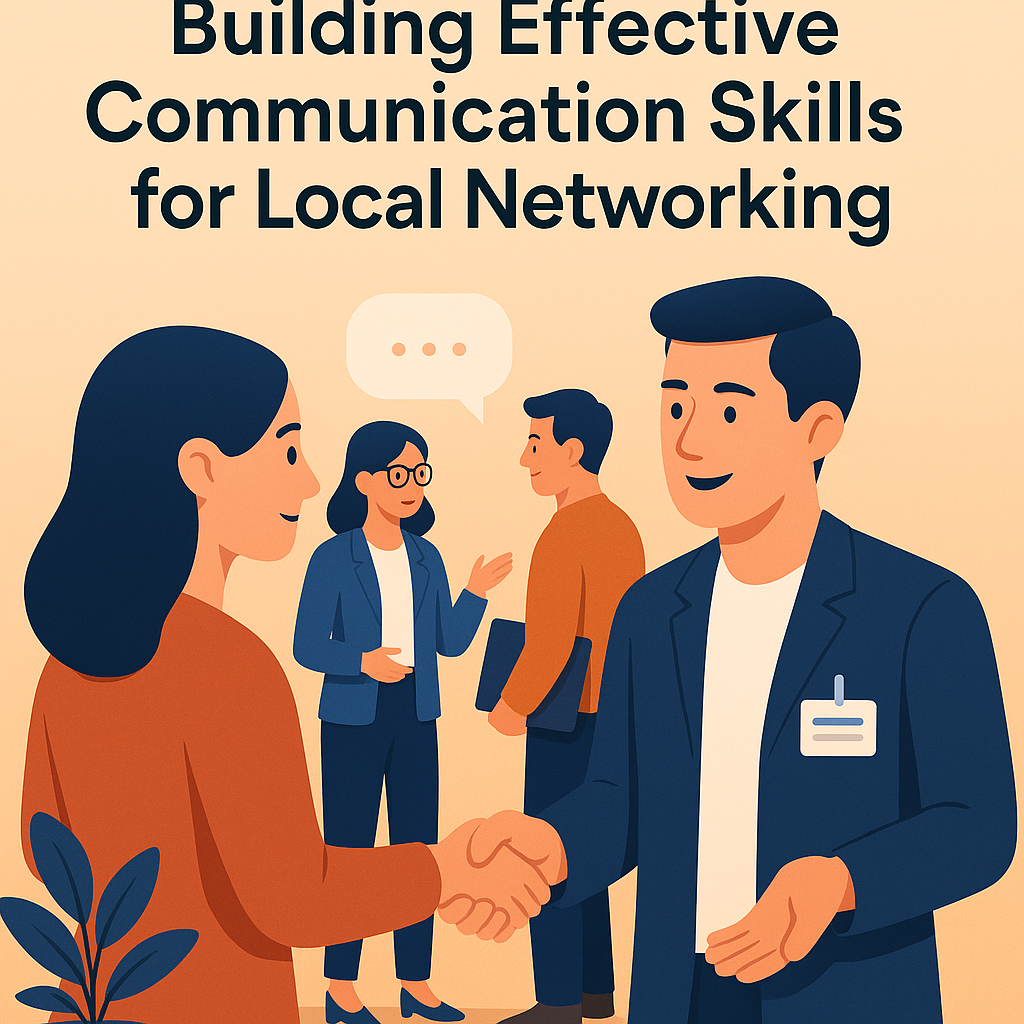
Effective communication skills are a vital asset in any professional’s toolkit, especially when it comes to local networking. Networking, at its core, is the art of building genuine connections, and communication is the bridge that facilitates these connections. In local networking, where personal relationships often translate into business opportunities, mastering the art of communication is invaluable. But what constitutes effective communication? It’s not just about speaking clearly; it’s about actively listening, understanding body language, and adapting to the conversational style of others. Additionally, locally networking requires cultural awareness, as communities often have their own unique norms and expectations. By honing these skills, professionals can open doors to collaborations, partnerships, and new opportunities within their communities, making effective communication not just important but essential for local networking success.
Understanding the Basics of Nonverbal Communication
Nonverbal communication plays a pivotal role in local networking. It includes all the unspoken elements of conversation, from facial expressions and gestures to posture and eye contact. For instance, when attending a local business expo, your body language can convey confidence and openness without uttering a single word. A firm handshake coupled with direct eye contact can leave a lasting positive impression on potential partners. Conversely, crossed arms or lack of eye contact might signal disinterest or discomfort. Understanding nonverbal cues can help decipher the unspoken intentions of others and react appropriately. To master nonverbal communication, practice being aware of your body language and recognizing these cues in others.
Active Listening: More than Just Hearing
Active listening is the cornerstone of effective communication, especially in networking scenarios. As opposed to passive hearing, active listening involves engaging with the speaker, understanding their message, and responding thoughtfully. For example, during a local chamber of commerce meeting, actively listening to a fellow business owner’s challenges can foster empathy and trust, laying the groundwork for a mutually beneficial relationship. Techniques such as nodding, summarizing what the other person has said, and asking follow-up questions demonstrate genuine interest and can significantly enhance your networking efforts by making the other party feel valued and understood.
Cultural Awareness in Local Contexts
Cultural awareness is essential when networking locally, as different communities may have varying customs, norms, and values. For instance, in a small town with a strong community spirit, showing a genuine interest in local events or traditions can earn respect and build rapport. Imagine attending a local cultural festival and using that opportunity to connect with community leaders and business owners. This kind of engagement demonstrates respect for the community’s values and fosters stronger connections. Understanding cultural nuances and adapting your communication style accordingly can make interactions more meaningful and open up further networking opportunities.
Building Rapport through Personalized Communication
Personalization is key to effective communication in networking. Remembering personal details about your contacts, such as their interests or recent achievements, can greatly enhance rapport. For example, following up with a personalized message after meeting someone at a local networking event shows attentiveness and sincerity. Personal touches, such as referencing a memorable conversation or congratulating them on recent successes, help solidify the connection. This approach not only makes your communication more engaging but also positions you as someone who values relationships, which can be a significant advantage in local networking.
Leveraging Digital Tools for Local Networking
In today’s digital age, leveraging technology can enhance local networking efforts. Social media platforms like LinkedIn or localized community forums provide opportunities to connect with local professionals and share insights. Consider creating a LinkedIn group for local entrepreneurs to facilitate discussions and collaborations. Additionally, tools such as email newsletters can keep your network informed about your projects or events, maintaining engagement over time. While the digital realm offers convenience, it’s essential to balance online interactions with face-to-face meetings to establish a well-rounded networking strategy.
The Role of Feedback in Communication
Soliciting feedback is crucial for honing communication skills. Feedback helps identify areas for improvement and can lead to more effective networking. For example, after delivering a presentation at a local business event, asking attendees for their thoughts can provide valuable insights into how your message was received. Constructive feedback can guide you in refining your communication style, ensuring that your interactions continue to be impactful. By being open to feedback, you demonstrate a willingness to grow and adapt, which can strengthen your network connections by showing respect for the perspectives of others.
Practical Application: Community Networking Events
Community networking events present excellent opportunities to practice communication skills in a local setting. These events, such as local charity fundraisers or business mixers, allow for real-world application of networking strategies. Imagine attending a charity gala and utilizing active listening and personalized communication to forge new connections. Each interaction serves as a chance to refine your communication techniques and better understand the community dynamics. Participating actively in these events also increases your visibility and establishes your presence as an engaged community member.
| Skill | Application | Outcome |
|---|---|---|
| Active Listening | Understanding speaker’s needs at local events | Builds trust and empathy |
| Nonverbal Communication | Using body language to convey confidence | Enhances positive perceptions |
| Cultural Awareness | Adapting to local customs at gatherings | Strengthens community relationships |
| Feedback | Seeking input post-communication | Refines communication effectiveness |
| Digital Tools | Managing a LinkedIn group for locals | Expands online networking reach |
Adapting Communication Styles for Different Audiences
Adapting your communication style to suit different audiences enhances your effectiveness in local networking. Different groups may have distinct preferences for how they like to communicate. For example, engaging with a young tech start-up audience may require a more informal approach compared to interacting with seasoned industry veterans in a local business association. Understanding these differences and adjusting your style accordingly can help you connect more deeply with your audience. This flexibility not only enhances your communication effectiveness but also demonstrates versatility and awareness, traits highly valued in networking.
Maintaining Authenticity and Transparency
Authenticity and transparency are fundamental to building trust in networking. Being genuine in your interactions allows others to view you as trustworthy and reliable. Consider a networking situation where you admit a lack of knowledge on a subject instead of feigning expertise. This honesty can be more valuable than attempting to portray yourself as a know-it-all, as it shows humility and a commitment to learning. Transparency in your intentions and actions not only cultivates trust but also paves the way for deeper, more meaningful connections with your local network.
Conclusion: Mastering Communication for Local Networking Success
Building effective communication skills for local networking is a multifaceted endeavor that involves mastering nonverbal cues, adopting active listening, and understanding cultural contexts. It requires personalizing interactions and leveraging digital tools, all while maintaining authenticity and being open to feedback. By summing up these elements, the essence of effective communication in networking is about making meaningful connections that can transform into lasting professional relationships. For professionals keen on maximizing their local networking potential, actively practicing these skills is crucial. Start by attending community events, engaging genuinely with locals, and embracing an open-minded approach to learning and improvement. By doing so, you’ll not only enhance your communication skills but also enrich your professional network, opening doors to numerous opportunities within your community. Your next move: Identify an upcoming local event and strategize on how you will apply these communication skills. Take the plunge, connect with your peers, and witness the transformative power of effective communication in local networking.
Frequently Asked Questions
1. What Are the Key Elements of Effective Communication in Local Networking?
Effective communication in the context of local networking involves a combination of verbal and non-verbal skills. It’s not just about what you say, but how you say it. Key elements include active listening, which means fully engaging with what the other person is saying and responding thoughtfully rather than simply waiting for your turn to speak. Clarity is also crucial; this means expressing your ideas in a way that’s easy to understand and avoids jargon that might alienate or confuse your listener. Confidence matters, too, because it shows that you believe in your message. Additionally, non-verbal cues like maintaining eye contact, nodding, and having an open posture play a significant role in making you appear approachable and interested, which encourages more open communication.
2. How Can I Improve My Communication Skills for Networking?
Improving your communication skills is an ongoing process that requires practice and mindfulness. Start by being more aware of how you communicate currently and identify areas for improvement. You can attend workshops or take courses focused on communication techniques such as public speaking, active listening, and effective questioning. Another practical way is by joining local networking groups where you can practice and refine your skills in real-world settings. It’s also helpful to seek feedback from peers or mentors, as they can provide insights into your communication style and suggest improvements. Finally, reading books on communication or listening to interviews and podcasts relating to effective networking can also provide new perspectives and strategies to apply in your own conversations.
3. Why Is Networking So Important for Professional Success?
Networking is a critical component of professional success due to its capacity to foster relationships and open doors to opportunities that might not be accessible through traditional means. Through networking, you can connect with individuals who can offer guidance, support, and mentorship. It allows you to share knowledge, learn from others’ experiences, and stay informed about industry trends and changes. Networking can lead to job opportunities, career advancement, and even collaborations that can significantly impact your professional journey. In many ways, the strength of your network can often be as important as your technical skills and knowledge, highlighting the importance of effective communication, which is at the core of successful networking.
4. What Common Mistakes Should Be Avoided in Networking Communication?
One of the most common mistakes in networking communication is focusing too much on speaking and not enough on listening. It’s crucial to remember that effective communication is a two-way street. Another error is failing to be genuine or authentic; people can sense when you’re more interested in what you can gain rather than building a real connection. Avoiding follow-up is another pitfall; consistently failing to nurture relationships after initial contact can make networking efforts seem insincere. Additionally, neglecting body language is a mistake—non-verbal cues can either enhance your message or detract from it. Finally, being too aggressive or pushy can alienate potential connections, making it essential to find a balance between being assertive and respectful.
5. How Does Local Networking Benefit from Effective Communication Specifically?
Local networking benefits significantly from effective communication because it often involves building relationships in a smaller, sometimes more personal community. When communication is effective, it helps establish trust and credibility, which are essential in local settings where word-of-mouth and personal reputation carry a lot of weight. Clear and impactful communication allows for sharing ideas and support within this community, creating a network of allies who are more likely to advocate for you. Furthermore, effective communication fosters stronger collaborations and partnerships, as people are more inclined to work with someone they understand and trust. It enables you to represent yourself and your ideas effectively, ensuring you make a lasting impression in any local networking scenario.