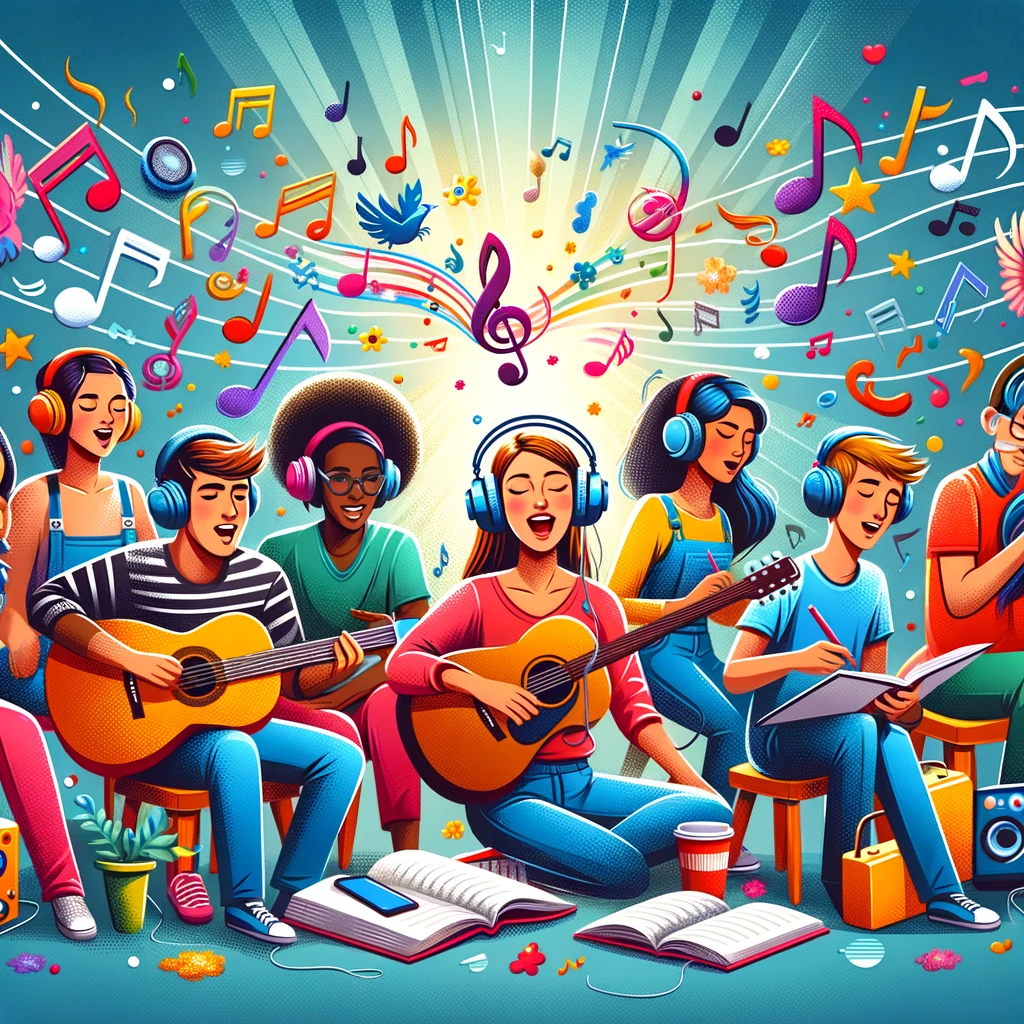
Language classes are not just about learning vocabulary and grammar; they are fertile grounds for developing communication skills, cultural understanding, and collaborative competencies. Group interaction is a pivotal component in language learning environments, as it mirrors real-life communication scenarios. To ensure that these classes are truly effective, educators need to employ strategies that enhance interaction among students. This involves understanding key educational terms like “collaborative learning” and “peer feedback,” strategies which, when used effectively, transform language classes into dynamic hubs of learning. The significance lies in the fact that by fostering impressive group interactions, language teachers not only boost student engagement but also promote better retention and understanding of the language. In this exploration, we will delve into various strategies to enhance group interaction in these environments. By harnessing these strategies, educators can create an enriching experience that prepares students for both social and professional communication.
Implementing Collaborative Learning Methods
Collaborative learning involves grouping students to work on tasks collectively, using dialogue and discussion as primary tools for knowledge acquisition. One method is the “Think-Pair-Share” strategy, where students first think about a problem individually, then discuss it with a partner, and finally share their findings with the larger group. Consider a Spanish class where students are learning verb conjugations. They can first attempt to conjugate verbs alone, partner up to compare their answers, and then articulate their reasoning in front of the class. This strategy ensures active engagement, as students learn from each other and correct errors through interaction.
Furthermore, educators can integrate technology by using online collaboration tools like Google Docs, where groups can simultaneously edit a document, exemplifying the collaborative construction of knowledge. Such practices mimic virtual workspaces used in professional environments, preparing students for the digital age’s cooperative nature.
Promoting Effective Peer Feedback
The implementation of peer feedback is a method that, when structured correctly, deepens understanding and critical thinking. In a French language class, students could be tasked with writing a short essay, after which they would exchange their work with peers. Rather than simply correcting errors, students should be encouraged to engage with the content and offer constructive criticism. A well-organized process might include a checklist focusing on grammar, vocabulary usage, and thematic expression to guide student assessment.
To ensure productive outcomes, it’s essential to conduct peer feedback sessions with clear instructions and criteria. Recently, a German class utilized online discussion forums to allow students to comment on each other’s work, introducing a digital twist that facilitated continuous interaction outside the classroom setting.
Facilitating Small Group Discussions
Small group discussions can be an effective way to get every student involved, fostering deeper understanding through shared insights. Let’s imagine an advanced English class analyzing Shakespearean themes. In small groups, students could each take on a different play or act to explore and later present their analyses to the class. This method allows students to delve into specific aspects and present them, honing both understanding and presentation skills.
The real-world application of this strategy is observed in international language courses where learners from different cultural backgrounds bring diverse perspectives. This creates a richer, more comprehensive learning experience, reflective of a multicultural society. During these discussions, educators can circulate and provide guidance, making sure every group remains on task and maximizes their learning potential.
Utilizing Role-Playing Activities
Role-playing is a dynamic activity that promotes interaction by placing students in real-life scenarios where they must use the target language actively. In a Japanese class, students might engage in role-playing exercises like ordering food in a restaurant or navigating public transportation. These activities not only bolster conversational skills but also help students understand cultural nuances.
Moreover, role-playing can be enhanced through the use of props or settings, transforming a classroom into a bustling café or a busy train station. By embodying these roles, students practice language fluency in a fun, engaging manner. Educators can further enrich this experience by recording these sessions for later review, allowing students to reflect on their performances and identify areas for improvement.
Incorporating Technology to Enhance Interaction
Modern technology provides an array of tools to foster interaction in language classes. Podcasts, video conferences, and language apps offer students platforms to converse and collaborate with native speakers worldwide. For instance, an Italian language class might connect with peers in Italy through Skype or Zoom to practice conversational skills. This exposure to different accents and dialects enriches the learning curve.
Another technological approach is using language learning apps that incorporate interactive games and quizzes, compelling students to engage competitively or collaboratively. These tools not only break the monotony of traditional learning but also cater to various learning styles and paces. By embracing tech-savvy methods, educators make language learning more appealing and effective.
Structuring Group Projects
Group projects are a longstanding educational strategy to encourage teamwork and responsibility among students. In a Mandarin class, a group project might involve creating a presentation on Chinese festivals, where each member investigates a different festival aspect. This division of labor ensures contributions from every student, enhancing their research skills and cultural knowledge.
To successfully facilitate group projects, educators must ensure equitable participation. Assigning roles such as a leader, researcher, and scribe helps manage tasks and evaluations. Additionally, timelines and presentations motivate students to stay committed to their shared goals.
| Role | Responsibility |
|---|---|
| Leader | Organizes group activities and schedules |
| Researcher | Gathers information and resources |
| Scribe | Documents discussions and decisions |
Encouraging Language Games
Language games are another effective strategy to encourage interaction and motivate students. Games like “Charades,” “Taboo,” or “Scrabble” can elevate the energy level in a Spanish class while reinforcing vocabulary and grammar. Through such playful activities, students lower their affective filter, boosting their confidence in using the language spontaneously.
To ensure that these games are more than just entertainment, teachers can design them to align with current lessons. For example, a Russian class focusing on adjectives could have a game of “Adjective Bingo,” where students must match descriptive words to pictures. Language games are versatile tools that create an energetic, interactive atmosphere conducive to language learning.
Incorporating Cultural Exchange Sessions
Cultural exchange sessions are a profound way to understand the language context. Inviting native speakers for a Q&A or engaging in pen pal exchanges with students from different countries allows learners to appreciate linguistic diversity and cultural heritage. A French class might host a virtual meeting with a classroom in France, promoting cross-cultural dialogue and language practice.
These cultural exchanges extend beyond the textbook, providing exposure to authentic accents, colloquialisms, and customs. They offer unparalleled interaction opportunities, making language classes a gateway to global interconnectedness. Besides improving language skills, such sessions foster tolerance and curiosity, essential traits in today’s interconnected world.
Conclusion: Enhancing Interaction for Language Mastery
In conclusion, there is a wealth of strategies available to maximize group interaction in language classes. From collaborative learning to cultural exchange sessions, these methods foster an engaging environment where students actively participate and immerse themselves in the language learning process. Deploying these strategies not only helps students achieve proficiency in a new language but also endows them with essential life skills such as teamwork, critical thinking, and cultural sensitivity.
For educators, the next step is to evaluate current teaching methodologies and integrate these strategies thoughtfully into their classrooms. By doing so, they will not only enhance the overall educational experience but also contribute to the development of competent, culturally-savvy individuals. As linguistic boundaries blur in our globalized world, effective language teaching becomes increasingly vital. It is through strategic, interactive, and immersive learning experiences that educators can truly hold the key to unlocking their students’ potential in mastering new languages.
Frequently Asked Questions
1. How can educators effectively integrate group interaction into language classes to enhance communication skills?
Integrating group interaction in language classes is crucial for simulating real-life communication and teaching students to express themselves confidently. Educators can start by arranging activities that demand teamwork and dialogue, like role-playing scenarios that replicate everyday conversations or group projects that require collective problem-solving. Ensuring diverse group compositions can lead to richer interactions as students bring varied perspectives and strengths to the table. Setting clear expectations and providing support where necessary can help maintain focus and enhance communication skills. Encouraging active listening, acknowledging differences of opinion, and offering constructive feedback can significantly improve communicative competencies. Through these strategies, students will not only practice the language but also learn the vital art of effective communication.
2. What are some specific activities or exercises that can improve group dynamics and interaction in language classes?
There are numerous activities that can foster better group dynamics in language classes. One effective exercise is to conduct ice-breaker activities that help students become comfortable with each other. These can range from simple ‘two truths and a lie’ games to more elaborate personal storytelling sessions. Another activity is the ‘jigsaw reading activity’, where each group member is given a different text segment to read and then has to share their section with the rest of the group, fostering collaboration and communication. Group debates or discussions on culturally relevant topics encourage students to articulate their viewpoints and listen to differing opinions. Furthermore, pair and group tasks that require creating skits or dialogues enhance not just language skills but foster creativity. The key is to ensure these exercises are diverse in nature, encouraging students to engage in various forms of interaction.
3. How can teachers assess the effectiveness of group interaction strategies in language classes?
Assessing the effectiveness of group interaction strategies is vital to ensure that they meet educational goals. Teachers can start by observing the level of student engagement during group activities. Are students participating actively and equally? Is there balanced communication, where all voices are heard, or are some students dominating discussions? Teachers can use observation checklists and take notes during interactions to track these dynamics. Reflective exercises post-activity, such as group feedback sessions where students discuss what worked and what didn’t, provide insights into the dynamics and areas for improvement. Additionally, teachers might consider whether learning objectives specific to language skills (like vocabulary usage and grammatical accuracy) are being met through group activities. Over time, comparing student performance in individual and group settings can also shed light on the success of interaction strategies.
4. What challenges might educators face when enhancing group interaction in language classes, and how can they overcome them?
Enhancing group interaction can come with several challenges. One common issue is unequal participation, where some students may be more reticent than others due to personality differences or language proficiency barriers. To address this, teachers can assign specific roles or tasks within groups, ensuring that every student contributes in some way. Another challenge is managing diverse proficiency levels, which might result in some students feeling left behind. Mixed-ability grouping and peer-learning approaches can help bridge this gap during group activities. Resistance to collaborative work from students who prefer individual tasks is yet another challenge that can be tackled by clearly communicating the value of group work and creating a supportive environment that rewards participation. Providing cultural context and bridging any cultural barriers through pre-activity discussions about cultural elements can also help mitigate some of these challenges related to language and cultural understanding.
5. How can cultural understanding be incorporated into group interaction strategies in language classes?
Incorporating cultural understanding into group interaction strategies enriches language classes by providing context and meaning to the language learned. Educators can weave cultural themes into group work by introducing culturally relevant materials, such as authentic texts, films, or music from countries where the language is spoken. Group projects that explore cultural festivals, traditions, and social norms encourage students to collaborate on research and presentations, helping them understand cultural nuances while practicing language skills. Language exchanges or pen-pal programs with students from different regions or countries can also serve as powerful tools for cultural learning through interaction. Lastly, encouraging students to share their diverse cultural backgrounds within the class through ‘culture sharing days’ can create a deeper appreciation for cultural diversity and enhance respect and understanding among peers. All these strategies help to anchor language learning in authentic cultural contexts, making it more meaningful and engaging for students.