
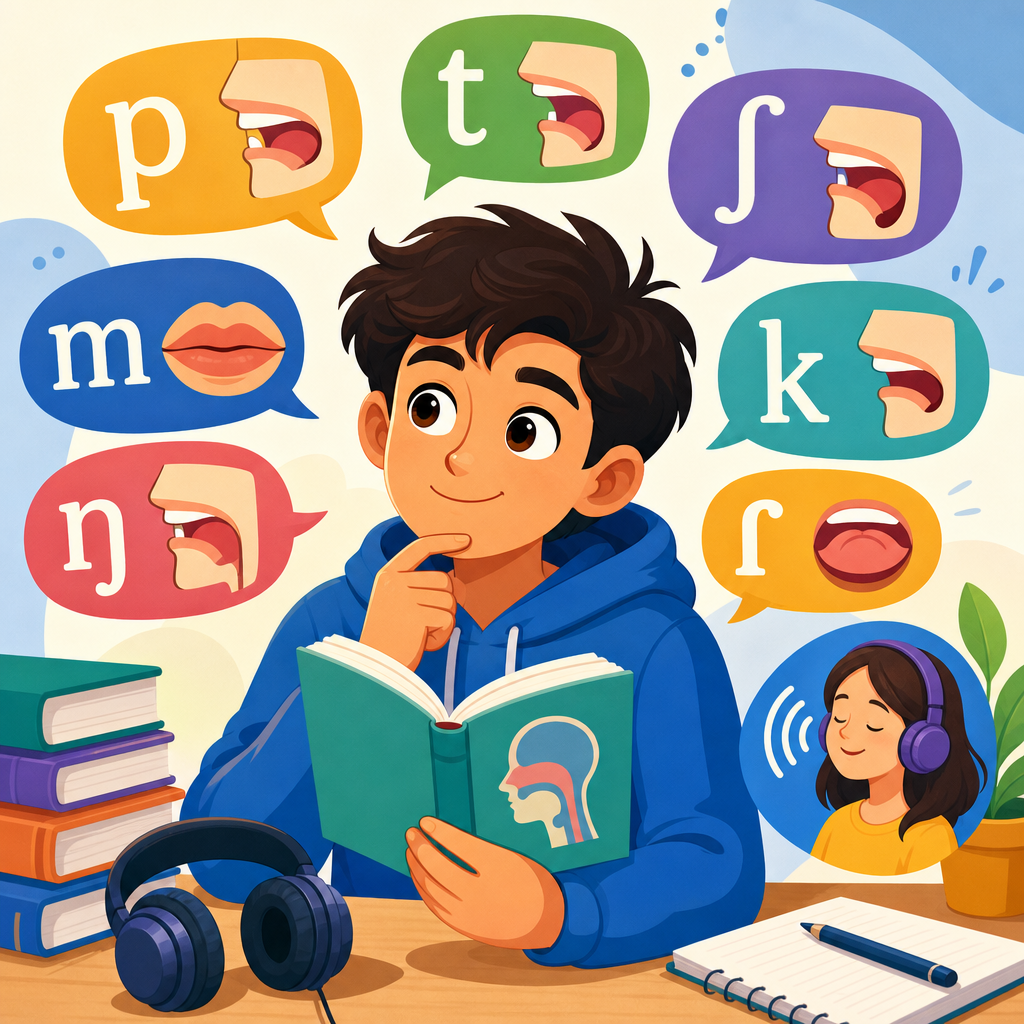
Learning how to read basic IPA symbols for consonants gives you a practical shortcut to clearer pronunciation, faster dictionary use, and better listening accuracy. IPA stands for the International Phonetic Alphabet, a standardized system linguists, dictionaries, teachers, and speech specialists use to represent speech sounds consistently across languages. When learners ask, “How do I pronounce this word correctly?” the IPA is often the most precise answer because spelling alone is unreliable. English writing can map one letter to several sounds, and one sound to several spellings. I have seen this repeatedly in pronunciation coaching: learners memorize a word visually, pronounce it from spelling, and then wonder why native speakers hesitate. Reading consonant symbols fixes that problem at the source.
This article focuses on basic IPA symbols for consonants, how to pronounce each one, and how to build listening practice around them. A consonant is a speech sound made with some constriction in the vocal tract, such as stopping airflow with the lips in /p/ or narrowing it at the teeth in /f/. “Basic” here means the symbols most learners meet first in standard English pronunciation guides, especially in learner dictionaries such as Cambridge Dictionary, Oxford Learner’s Dictionaries, Longman, and Merriam-Webster. These symbols matter because they help you notice contrasts that change meaning, including /p/ versus /b/, /s/ versus /ʃ/, and /tʃ/ versus /dʒ/. If you want better speaking under the broader Speaking topic, this hub page gives you the foundation for all miscellaneous consonant work, including minimal pairs, dictionary reading, accent comparison, and targeted listening drills.
Most learners do not need to master every symbol in the full IPA chart on day one. You need a workable map: which consonant symbols are common, where your mouth goes, whether your vocal cords vibrate, and what common spelling patterns usually match each sound. Once that map is in place, listening improves because your brain stops grouping several different sounds into one category. That is why consonant IPA belongs in any serious speaking system.
The core idea: place, manner, and voicing
The fastest way to read IPA consonants is to organize them by three features: place of articulation, manner of articulation, and voicing. Place means where the airflow is blocked or narrowed: lips, teeth, alveolar ridge, palate, or throat. Manner means how the airflow changes: a full stop, a narrow friction, a nasal passage, a glide, or a lateral flow. Voicing means whether the vocal cords vibrate. Put a hand on your throat and say /s/ then /z/; /z/ has vibration, /s/ does not. I use this test constantly with learners because it turns an abstract symbol into a physical sensation.
English basic consonants are usually introduced in pairs when possible. /p/ and /b/ are both bilabial stops, but /b/ is voiced. /t/ and /d/ are alveolar stops. /k/ and /g/ are velar stops. /f/ and /v/ are labiodental fricatives. /θ/ and /ð/ are dental fricatives, the sounds in think and this. /s/ and /z/ are alveolar fricatives. /ʃ/ and /ʒ/ are postalveolar fricatives, heard in ship and measure. /tʃ/ and /dʒ/ are affricates, heard in chair and job. Nasals include /m/, /n/, and /ŋ/ as in sing. Approximants include /w/, /j/, and /r/ in many accents. /l/ is a lateral approximant. If you learn the pattern, the chart stops looking like random symbols and starts working like a pronunciation map.
Basic IPA symbols for consonants and how to pronounce them
The table below gives the hub-level reference most learners need first. It lists the symbol, a plain-English description, and a common example word. The exact pronunciation of example words can vary by accent, but the target consonant stays recognizable across standard British and American dictionary models.
| IPA symbol | How to pronounce it | Example |
|---|---|---|
| /p/ | voiceless stop, lips close then release | pen |
| /b/ | voiced stop, same lip position as /p/ | book |
| /t/ | voiceless stop, tongue touches alveolar ridge | top |
| /d/ | voiced stop, same position as /t/ | day |
| /k/ | voiceless stop, back of tongue touches soft palate | cat |
| /g/ | voiced stop, same position as /k/ | go |
| /f/ | voiceless fricative, top teeth touch bottom lip | fish |
| /v/ | voiced fricative, same position as /f/ | very |
| /θ/ | voiceless dental fricative, tongue lightly between teeth | think |
| /ð/ | voiced dental fricative, same position as /θ/ | this |
| /s/ | voiceless fricative, narrow air channel near alveolar ridge | see |
| /z/ | voiced fricative, same position as /s/ | zoo |
| /ʃ/ | voiceless postalveolar fricative | ship |
| /ʒ/ | voiced postalveolar fricative | measure |
| /h/ | voiceless breath sound from the throat | hat |
| /tʃ/ | affricate, stop plus fricative sequence | chair |
| /dʒ/ | voiced affricate | job |
| /m/ | bilabial nasal, airflow through nose | man |
| /n/ | alveolar nasal | no |
| /ŋ/ | velar nasal, back of tongue raised | sing |
| /l/ | lateral approximant, air flows around sides of tongue | light |
| /r/ | rhotic approximant in General American | red |
| /j/ | palatal glide, the sound at the start of yes | yes |
| /w/ | labial-velar glide, rounded lips | we |
When you read these symbols in a dictionary, focus on sound, not spelling. For example, phone begins with /f/, not /p/ or /ph/. The word chemistry begins with /k/. The final sound in sing is /ŋ/, not /n/ plus /g/ in most standard pronunciations. These are exactly the places where IPA saves time.
How to pronounce tricky consonant symbols clearly
Several symbols cause confusion because the spelling feels familiar but the sound is not. The first pair is /θ/ and /ð/. Many learners replace them with /s/, /z/, /t/, or /d/, depending on their first language. To produce them, let the tongue tip touch the edge of the upper teeth or sit lightly between the teeth, then push air through a narrow gap. Use no voice for /θ/ in think and voice for /ð/ in this. Do not bite the tongue hard; the contact is gentle.
The second common challenge is /ʃ/ versus /ʒ/. /ʃ/ appears often in words like she, nation, and special, though spelling varies. /ʒ/ is less common in word-initial position and often appears in the middle of words such as measure, vision, and usual in some accents. If you can say /ʃ/, add voicing to get /ʒ/. That voicing contrast is the key.
Another important symbol is /ŋ/. Many learners pronounce sing as /sɪŋg/ because the spelling has ng. In normal dictionary pronunciation, sing ends with one sound, /ŋ/. Compare sin /sɪn/ and sing /sɪŋ/. The tongue position moves farther back for /ŋ/. I often recommend alternating ten short repetitions of /n/ and /ŋ/ to make the difference physical and audible.
Finally, /tʃ/ and /dʒ/ are single phonemes written with two IPA characters because they begin as stops and release into fricatives. Think of them as one unit, not two separate sounds. This matters when you read transcriptions accurately and when you count sounds for stress and syllable work.
Listening practice that actually improves consonant recognition
Listening practice works best when it is narrow, repeated, and contrast-based. Instead of playing a long podcast and hoping your ears adapt, choose one consonant contrast and train it with minimal pairs. For /p/ and /b/, try pat-bat, cap-cab, and rip-rib. For /s/ and /ʃ/, try sip-ship, see-she, and mass-mash. For /tʃ/ and /dʒ/, use choke-joke and batch-badge. Listen first, identify the sound, then repeat aloud while checking the IPA in a learner dictionary.
A reliable routine is three passes. First, listen without speaking and mark what you hear. Second, listen and shadow immediately after the speaker. Third, record yourself and compare waveforms or playback if you use tools such as Forvo, YouGlish, Cambridge online audio, or the speech analysis features available in apps like ELSA Speak. In coaching, I have found that learners improve faster when they combine dictionary IPA, audio from at least two speakers, and self-recording. One source teaches the symbol, another confirms real usage, and your recording exposes whether you are actually producing the contrast.
Use short sessions. Ten minutes on one contrast is more effective than forty unfocused minutes. If a consonant disappears in fast speech, isolate the word, then move to a phrase. Practice think, then think about, then think about it. Consonants interact with neighboring vowels, so phrase-level listening is the bridge from textbook sound to real conversation.
How this hub connects to the rest of your Speaking practice
This page is the central reference for miscellaneous consonant work inside a broader Speaking curriculum. From here, the next useful areas are minimal pairs, consonant clusters, final consonants, connected speech, dictionary transcription reading, and accent comparison. If your issue is hearing and producing single sounds, start here. If you can say the sound alone but lose it in words like texts, world, or asked, move next to clusters and final consonant practice. If you understand the symbol but still miss words in conversation, connected speech and listening reduction patterns are the right follow-up.
The main benefit of learning basic IPA symbols for consonants is control. You stop guessing from spelling, start hearing sound contrasts accurately, and correct problems with evidence instead of habit. Build a small routine: learn five symbols, test them in a dictionary, do one minimal-pair drill, and record one minute of speech. Repeat that daily and your pronunciation and listening will become noticeably sharper. Start with the symbols in this hub, then expand into the related Speaking lessons that target the exact consonant problems you hear in your own speech.
Frequently Asked Questions
What is the IPA, and why is it useful for learning consonant pronunciation?
The IPA, or International Phonetic Alphabet, is a standardized system of symbols used to represent speech sounds accurately and consistently. For consonants, this is especially useful because English spelling is often unpredictable. The same letter can represent different sounds in different words, and different letter combinations can represent the same sound. For example, the sound /f/ can appear in fan, but also in words like phone. When you learn basic IPA symbols for consonants, you stop depending only on spelling and start reading pronunciation directly.
This gives you several practical advantages. First, it helps you use dictionaries more effectively, because you can look at the transcription and know how a word should sound even if you have never heard it before. Second, it improves pronunciation because you learn to notice the exact sound rather than guessing from letters. Third, it strengthens listening skills. Once you understand that /ʃ/, /tʃ/, and /s/ are different consonant sounds, for example, you become much better at hearing the difference in real speech. In short, IPA is not just for linguists. It is one of the most efficient tools for learners who want clearer speech, more confident dictionary use, and better overall accuracy.
How do I read basic IPA consonant symbols if I am a complete beginner?
The best way to start is to think of each IPA symbol as one sound, not one spelling rule. That is the core idea. Instead of asking, “What letter is this?” ask, “What sound does this symbol represent?” Begin with consonants that closely match familiar English letters, such as /p/, /b/, /m/, /n/, /f/, /v/, /k/, /g/, /s/, /z/, /l/, and /h/. These are often the easiest because they feel visually familiar and usually represent sounds learners already know. Then move to symbols that may look less familiar but represent common English consonants, such as /ʃ/ in ship, /ʒ/ in measure, /θ/ in think, /ð/ in this, /tʃ/ in chair, /dʒ/ in jump, and /ŋ/ in sing.
It also helps to learn consonants by groups. For example, you can study pairs like /p/ and /b/, /t/ and /d/, or /f/ and /v/. These pairs are similar in mouth position, but one is voiceless and the other is voiced. That means your mouth is shaped similarly, but your vocal cords vibrate for one sound and not the other. This kind of grouping makes the system easier to remember and easier to hear. As a beginner, do not try to memorize every symbol at once. Learn a few, listen to examples, repeat them aloud, and connect each symbol to a real word. That steady approach is far more effective than trying to study the whole chart in one sitting.
What are the hardest basic IPA consonant symbols for learners, and how can I pronounce them correctly?
Some of the most challenging consonant symbols for learners are /θ/, /ð/, /ʃ/, /ʒ/, /tʃ/, /dʒ/, and /ŋ/. These are difficult not because they are rare in English, but because many languages either do not have them or represent them differently. The symbols /θ/ and /ð/ are the famous “th” sounds. /θ/ is voiceless, as in think, and /ð/ is voiced, as in this. To pronounce both, place the tongue lightly between the teeth or just behind the top teeth and let air flow out. For /ð/, add voice. Learners often replace these with /s/, /z/, /t/, or /d/, so it is important to practice both hearing and producing the difference.
The sound /ʃ/ appears in ship, while /ʒ/ appears in words like measure or vision. These two sounds are made with a similar tongue shape, but /ʒ/ is voiced and /ʃ/ is not. The affricates /tʃ/ and /dʒ/, heard in chair and jump, begin like stop sounds and release into fricatives. They should not be rushed or reduced to a simple /ʃ/ or /ʒ/. The symbol /ŋ/, the final sound in sing, is another common difficulty. Many learners add an extra /g/ sound, but in standard pronunciation, sing ends with /ŋ/, not /ŋg/. A good strategy is to isolate these sounds, practice them in single words, then use them in short phrases and full sentences. The more you connect mouth position, voicing, and listening practice, the more natural these consonants become.
How can IPA help me use a dictionary and improve my listening at the same time?
IPA is one of the most effective bridges between reading and listening. When you look up a word in a dictionary, the phonetic transcription shows you the actual sounds of the word, not just its spelling. This is powerful because English spelling often hides pronunciation patterns. If you already know basic IPA consonant symbols, you can quickly recognize whether a word begins with /ʃ/, contains /θ/, or ends with /ŋ/. That makes dictionaries much more useful, especially when you are learning independently and need a reliable guide to pronunciation.
At the same time, IPA improves listening because it trains you to hear speech as a sequence of specific sounds rather than a blur of letters. For example, if you confuse /b/ and /v/, or /s/ and /ʃ/, you may misunderstand words even when your vocabulary is strong. By studying the IPA symbols and matching them with audio, you sharpen your ability to detect these distinctions. A practical method is to choose a word, read its IPA transcription, listen to a native or high-quality model, and then repeat it. After that, test yourself by listening again without looking at the word. This kind of training helps your brain map symbol, sound, and meaning together. Over time, you become faster at recognizing consonants in connected speech, which improves both comprehension and pronunciation accuracy.
What is the best way to practice basic IPA consonants with listening and speaking exercises?
The most effective practice combines recognition, imitation, and repetition. Start with a small set of consonant symbols and use clear example words for each one. For instance, you might practice /p/ in pen, /b/ in book, /ʃ/ in shoe, /tʃ/ in chair, and /ŋ/ in sing. First, read the IPA symbol and say the sound on its own. Then say the full word. Listen to a reliable recording and compare your pronunciation carefully. Pay attention not only to the sound itself, but also to whether it is voiced or voiceless, where your tongue is placed, and how the airflow feels.
After that, move to minimal pairs and short listening drills. Minimal pairs are words that differ by only one sound, such as fan and van, or sip and ship. These are excellent for training your ear because they force you to notice one precise consonant contrast. You can also do simple dictation practice by listening to words and writing the IPA symbol you hear, or by reading IPA transcriptions and predicting the sound before checking with audio. Finally, use the consonants in short sentences so the sounds become part of real speech, not just isolated drills. Consistent short practice sessions usually work better than occasional long ones. If you spend even 10 to 15 minutes a day reading symbols, listening to examples, and repeating them aloud, your pronunciation and listening accuracy will improve steadily.





