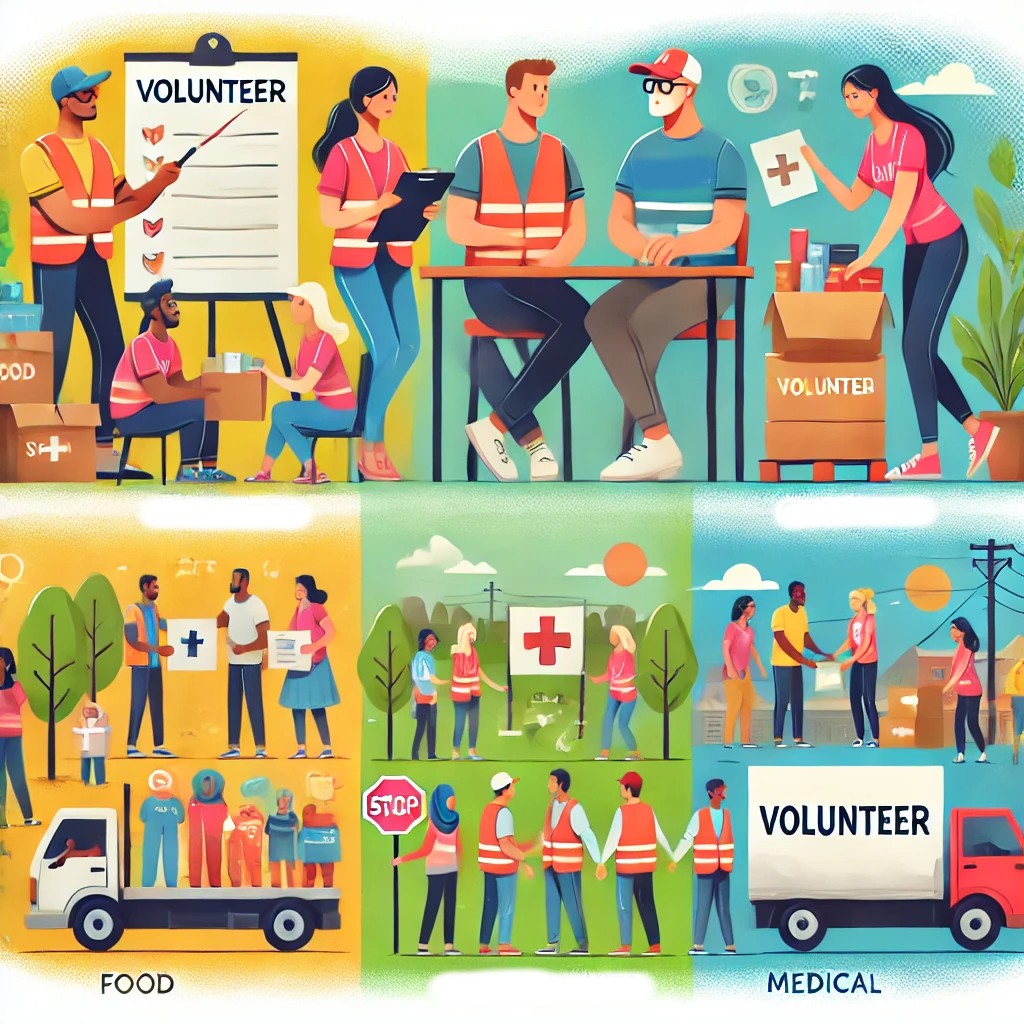
Volunteering is a rewarding experience that brings together people from different backgrounds to work towards a common goal. However, effective volunteer coordination is essential to ensure that the efforts of volunteers are maximized and that the goals of the volunteer program are achieved. For many international volunteer programs, English serves as the common language that facilitates communication and collaboration among volunteers from different parts of the world. In this article, we will explore the critical role of English in volunteer coordination and discuss key strategies for utilizing English to enhance volunteer management and ensure the success of volunteer initiatives.
Introduction: The Importance of English in Volunteer Coordination
In today’s globalized world, English has emerged as the lingua franca, enabling individuals from diverse linguistic backgrounds to communicate effectively. This is particularly true in the context of volunteer programs that attract participants from all corners of the globe. English serves as the bridge that connects volunteers, allowing them to share ideas, collaborate on projects, and build meaningful relationships. The ability to speak and understand English is often a prerequisite for volunteers, as it ensures smooth communication and minimizes misunderstandings.
Effective volunteer coordination relies heavily on clear and concise communication, and English plays a pivotal role in this regard. Coordinators must be able to convey instructions, provide training, and offer support to volunteers, all of which are facilitated by a common language. Additionally, volunteers need to communicate with each other, report their progress, and seek assistance when needed. English proficiency enables volunteers to navigate these interactions with ease, fostering a collaborative and productive environment.
Furthermore, English is often the language of documentation and reporting in international volunteer programs. Coordinators need to maintain records, compile reports, and assess the impact of volunteer activities, all of which require proficiency in English. For volunteers, being able to understand and contribute to these documents is crucial for their participation and engagement in the program.
In this article, we will delve into several strategies that can enhance the role of English in volunteer coordination. From language training to leveraging technology, these strategies will help coordinators and volunteers overcome language barriers and achieve their goals more effectively.
Language Training and Support for Volunteers
The first step in leveraging English for volunteer coordination is to ensure that volunteers have the necessary language skills to communicate effectively. Providing language training and support can significantly enhance the ability of volunteers to participate in the program and contribute meaningfully to its objectives. Language training can take various forms, from formal classes to informal conversation groups.
For international volunteers, offering pre-departure language training can be highly beneficial. This training can focus on essential vocabulary and phrases that volunteers are likely to encounter during their placement. Additionally, language training can include cultural aspects, such as idiomatic expressions and social norms, which are integral to effective communication.
Once volunteers are on-site, ongoing language support is crucial. Coordinators can organize regular language practice sessions or buddy systems where more proficient volunteers assist those who need help. Providing access to language-learning resources, such as apps, online courses, and dictionaries, can also empower volunteers to improve their English skills independently.
Moreover, creating an environment that encourages the use of English can help volunteers build confidence in their language abilities. Coordinators should encourage volunteers to communicate in English during meetings, activities, and social interactions. Positive reinforcement and constructive feedback can further motivate volunteers to practice and improve their English proficiency.
Leveraging Technology for Communication
Technology plays a crucial role in facilitating communication in volunteer programs, especially when volunteers are dispersed across different locations. Leveraging technology can overcome language barriers and ensure that information is shared effectively among all participants. Various technological tools can assist in communication, coordination, and training.
One of the primary tools for communication is instant messaging apps such as WhatsApp, Slack, or Microsoft Teams. These platforms allow volunteers to share updates, ask questions, and coordinate activities in real-time. Using English as the language of communication on these platforms ensures that everyone is on the same page and can participate in the conversation.
Video conferencing tools like Zoom or Google Meet are also valuable for conducting virtual meetings and training sessions. Coordinators can use these platforms to provide instructions, discuss progress, and address any concerns that volunteers may have. Recording these sessions allows volunteers to review the information at their own pace, making it easier for non-native English speakers to comprehend the content.
In addition to communication tools, volunteers can benefit from digital collaboration platforms such as Google Workspace or Trello. These platforms allow volunteers to work together on projects, share documents, and track their progress. Using English as the language of collaboration ensures that all volunteers can contribute effectively and stay informed about the project’s status.
Furthermore, language translation tools, such as Google Translate, can assist volunteers in understanding written communication and documentation in English. While these tools are not perfect, they can provide valuable support for volunteers who may struggle with certain aspects of the language.
Cultural Sensitivity and Inclusion
Cultural sensitivity and inclusion are essential components of effective volunteer coordination. While English is the common language, coordinators must be mindful of the diverse cultural backgrounds of volunteers and ensure that communication is inclusive and respectful. Understanding cultural differences can prevent misunderstandings and foster a positive and collaborative environment.
Coordinators should provide training on cultural sensitivity to help volunteers appreciate and respect the diversity within the group. This training can cover topics such as cultural norms, communication styles, and potential cultural misunderstandings. By raising awareness of these issues, coordinators can promote an inclusive atmosphere where all volunteers feel valued and understood.
Using clear and simple language is another strategy to enhance inclusivity. Coordinators should avoid jargon, idiomatic expressions, and complex language that may be difficult for non-native English speakers to understand. Providing explanations or context for any unfamiliar terms can also aid comprehension.
Encouraging open communication and feedback is vital for creating an inclusive environment. Coordinators should actively seek input from volunteers and be open to their suggestions and concerns. This approach ensures that all voices are heard and that volunteers feel comfortable expressing themselves, even if they are not fluent in English.
Moreover, coordinators can celebrate the cultural diversity of the volunteer group by organizing cultural exchange activities. These activities provide an opportunity for volunteers to share their traditions, languages, and experiences, fostering mutual understanding and appreciation. By highlighting the unique contributions of each volunteer, coordinators can build a cohesive and harmonious team.
Using Visual and Multimodal Communication
Visual and multimodal communication strategies can enhance understanding and engagement among volunteers with varying levels of English proficiency. Incorporating visual elements, such as images, diagrams, and videos, can make communication more accessible and comprehensible.
Visual aids can be used to illustrate instructions, workflows, and important information. For example, using infographics to explain procedures or project timelines can help volunteers grasp the concepts more easily. Diagrams and flowcharts can clarify complex processes, reducing the likelihood of misunderstandings.
Videos are another powerful tool for communication and training. Coordinators can create instructional videos that demonstrate tasks, safety procedures, or project goals. Videos can be paused and replayed, allowing volunteers to absorb the information at their own pace. Subtitles in English can further aid comprehension.
Interactive and multimedia presentations, such as those created with PowerPoint or Prezi, can combine text, images, and videos to engage volunteers and enhance their understanding. These presentations can be used during meetings, training sessions, or orientation programs.
Additionally, using symbols and icons can convey important messages quickly and effectively. For example, universal symbols for safety, directions, or emergency procedures can be easily understood by volunteers regardless of their English proficiency. Incorporating these visual elements into signage and documentation can enhance clarity and accessibility.
By employing visual and multimodal communication strategies, coordinators can ensure that information is conveyed clearly and that volunteers can participate fully in the program, regardless of their language skills.
Establishing Clear Communication Protocols
Establishing clear communication protocols is essential for effective volunteer coordination. These protocols provide a framework for how communication should occur within the volunteer program, ensuring consistency and reducing the risk of miscommunication.
Coordinators should outline the key communication channels and tools that will be used, such as email, messaging apps, or project management platforms. Clear guidelines on when and how to use these tools can prevent confusion and ensure that information is disseminated efficiently.
Standardizing language use is another important aspect of communication protocols. Coordinators should provide templates and guidelines for common communication scenarios, such as reporting progress, requesting assistance, or providing feedback. These templates can include key phrases and vocabulary, making it easier for volunteers to construct their messages in English.
Scheduling regular check-ins and meetings is also crucial for maintaining open lines of communication. Coordinators should establish a consistent schedule for team meetings, one-on-one check-ins, and progress updates. This regular communication helps to build trust, address any issues promptly, and keep everyone aligned with the program’s goals.
Furthermore, coordinators should promote active listening and empathetic communication within the volunteer group. Encouraging volunteers to listen attentively, ask clarifying questions, and show empathy can create a supportive and collaborative atmosphere. This approach ensures that all volunteers feel heard and valued, regardless of their English proficiency.
By establishing clear communication protocols and promoting effective communication practices, coordinators can enhance coordination and collaboration within the volunteer program, leading to better outcomes and a more positive experience for all participants.
Conclusion: Maximizing the Benefits of English in Volunteer Coordination
The role of English in volunteer coordination cannot be overstated. As the common language that connects volunteers from diverse backgrounds, English facilitates communication, collaboration, and the achievement of shared goals. By implementing key strategies such as language training, leveraging technology, fostering cultural sensitivity, using visual communication, and establishing clear communication protocols, coordinators can overcome language barriers and maximize the benefits of English in volunteer coordination.
Investing in language training and support empowers volunteers to communicate effectively and participate fully in the program. Leveraging technology enhances communication and coordination, enabling volunteers to collaborate in real-time and access essential information. Fostering cultural sensitivity and inclusivity creates a positive and respectful environment where all volunteers feel valued and understood. Using visual and multimodal communication strategies makes information more accessible and comprehensible, while clear communication protocols ensure consistency and reduce the risk of miscommunication.
Ultimately, effective volunteer coordination relies on the ability of coordinators and volunteers to communicate and collaborate seamlessly. By embracing the role of English and implementing these key strategies, volunteer programs can achieve their goals more efficiently and create meaningful and impactful experiences for all participants.
As volunteer programs continue to grow and attract participants from around the world, the importance of English in volunteer coordination will only increase. Coordinators who prioritize language training, technology, cultural sensitivity, visual communication, and clear protocols will be well-equipped to lead successful and harmonious volunteer programs that make a positive difference in their communities.