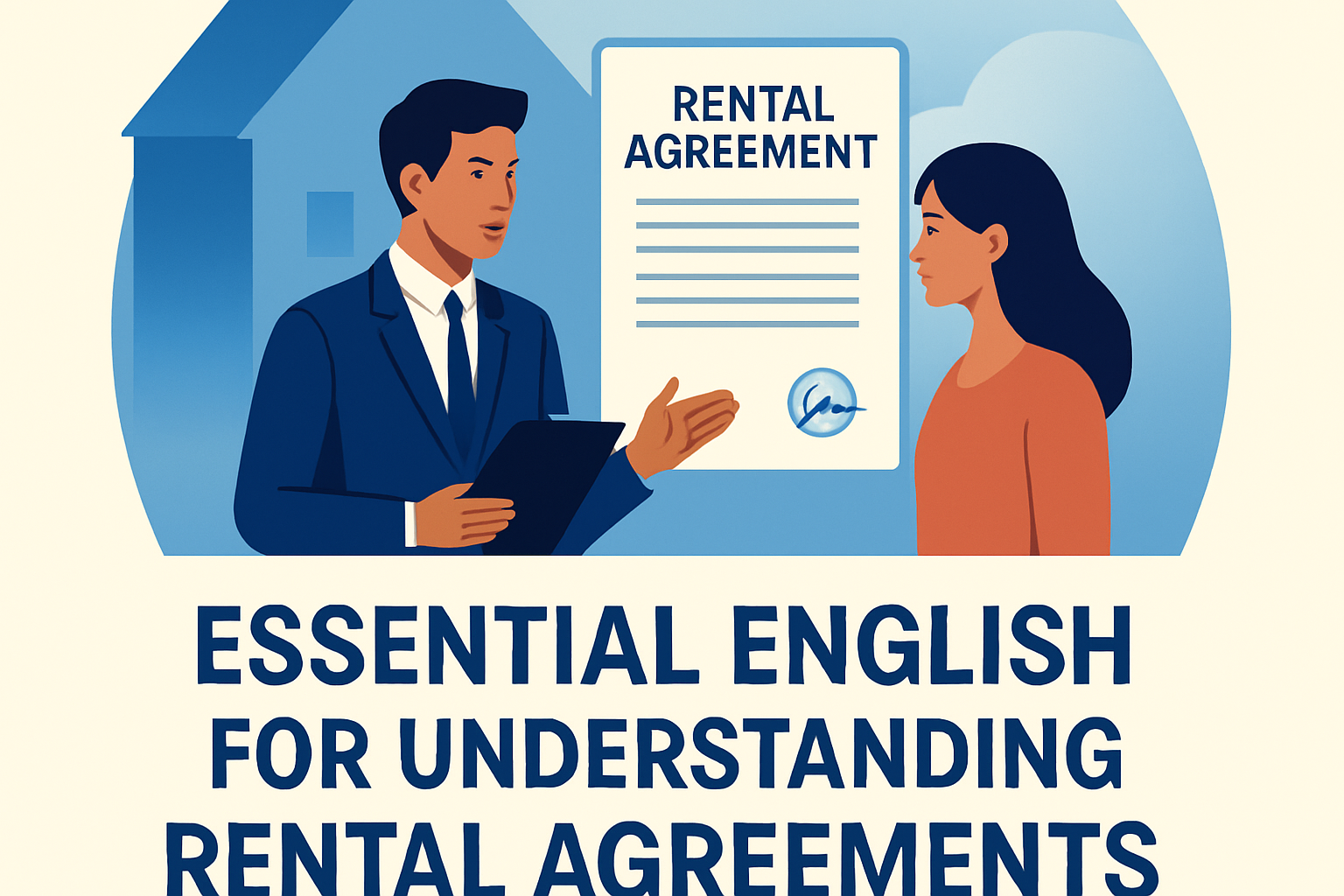
In today’s fast-paced world, rental agreements are a crucial aspect of renting properties, whether it’s your first apartment or a commercial space for your business. These contracts are laden with specific terms and legal jargon that can often seem daunting to the uninitiated. Understanding these terms is vital because they dictate the terms and conditions of your living arrangement or business venture. Skimming over an agreement without understanding could lead to costly misunderstandings, disputes, or even eviction. This article will break down essential English used in rental agreements, ensuring you’re well-equipped to comprehend your lease thoroughly and safeguard your interests.
Key Terms Every Tenant Should Know
One of the most fundamental yet challenging aspects of navigating a rental agreement is understanding the terms used. Knowing common terminology used in leases can make all the difference. Words such as “lease term”, “security deposit”, and “maintenance obligations” might appear frequently, but what do they really mean? The “lease term” refers to the length of time the lease is in effect. It could be month-to-month or a fixed term like one year. The “security deposit” is a sum of money held by the landlord as insurance against potential damage or unpaid rent. For instance, if you rent an apartment on a one-year lease and pay a $1,000 security deposit, this money might cover repairs for damage beyond normal wear and tear once you move out.
Additionally, you’ll often see “maintenance obligations” within the agreement, outlining which party is responsible for repairs and upkeep. For example, landlords may be responsible for major repairs, but tenants might need to handle minor fixes or report issues promptly. Recognizing these terms and their implications is essential for your peace of mind and legal protections.
Understanding Rights and Obligations
Another critical aspect of rental agreements is a clear understanding of your rights and obligations as a tenant. Leases protect both parties, making it vital to know what’s expected of you and what you can expect from your landlord. Under most agreements, tenants have the right to privacy, a safe and habitable environment, and protection from unlawful eviction.
Consider the scenario where a landlord attempts to enter your apartment without notice. Your agreement might stipulate that landlords must provide reasonable notice, often 24 hours, unless there’s an emergency. You also have the obligation to maintain the premise, which includes duties like keeping the property clean and reporting damages. Failure to fulfill your obligations can lead to penalties, such as fees or lease termination.
Rent and Fees: What You Need to Know
Beyond just the basic rent amount, rental agreements often include various fees that a tenant must be aware of. These might include utility bills, late payment fees, application fees, or pet fees. Missing these details could lead to nasty surprises when bills arrive.
For example, imagine you agree to a $1,500 monthly rent but overlook the clause stating utilities are not included. Over a year, these additional costs could significantly affect your budget. Being aware of these potential add-ons allows you to make informed decisions about affordability. Moreover, late payment fees are vital to keep track of. If your agreement states a $50 charge for late rent, knowing this can help you avoid unnecessary expenses.
Eviction Policies and Procedures
Understanding the eviction process is another critical element when reading through your rental agreement. Knowing the reasons for which you can be evicted, such as unauthorized subletting or failure to pay rent, can help you avoid these pitfalls.
Let’s consider a scenario in which you decide to sublet a room to a friend. If your lease prohibits subletting without prior written consent from your landlord, you could risk eviction. Awareness and adherence to these policies protect you from potential legal battles and disruptions in your housing security.
| Common Fee | Description |
|---|---|
| Security Deposit | Held to cover potential damages or unpaid rent. |
| Application Fee | Charged at application to process paperwork. |
| Pet Fee | An additional charge for having pets in the unit. |
| Late Payment Fee | Charged if rent is paid past due date. |
Security Deposits: Protection for Both Parties
Your rental agreement will likely include specifics about security deposits — another area where confusion can arise. These deposits serve as financial protection for landlords against immeasurable damages or unpaid rent and vary in amount. Generally, the deposit is refundable upon the lease’s end, pending inspection of the rental’s condition. The U.S. law often mandates the return of the deposit with a detailed itemized list of any deductions made.
Imagine you have a $1,000 security deposit, and on inspection, the landlord reports a $200 cost for painting over wall damage. Without justified proof and a detailed expense list, you might contest it. Understanding these stipulations empowers you to rightfully claim your due funds and assures landlords they have proper financial shielding.
Lease Renewal and Termination
The procedures for lease renewal or termination are critical yet overlooked portions of rental agreements. Whether you plan to stay longer or terminate early, staying informed on the process is in your interest. Renewal might require notice several months before your lease ends, or it might recur automatically on a month-to-month basis.
For example, suppose you intend to renew your lease. Check the agreement to determine the required notice period, typically 60 days, to express your intent to continue residing in the apartment. On the flip side, if you decide to vacate before the lease ends, know the implications, such as potential fees or loss of your security deposit. Being prepared with this knowledge mitigates surprises during these transitions.
Summarizing Key Takeaways
Rental agreements, while seemingly simple pieces of paper, hold significant power over your housing or business situation. Understanding essential English in these contracts equips you with the knowledge to protect your rights and ensures smooth tenancy. By familiarizing yourself with key terms, rights and responsibilities, fees, eviction procedures, security deposits, and renewal or termination clauses, you prepare yourself for successful negotiation and management of your rental arrangements.
The importance of understanding these elements cannot be overstated; it is your armor in navigating legal contracts and securing your interests, whether you’re signing your first lease or renewing with a trusted landlord. As the next step, consider reviewing any rental agreements you currently have, or sit in on a lease signing to ensure clarity and peace of mind. Equip yourself with the knowledge, seek assistance if needed, and approach your rental journey with confidence.
Remember, your ability to comprehend rental agreements influences not only your financial stability but also your quality of life. Take control, read carefully, and don’t hesitate to ask questions.
Frequently Asked Questions
1. What is a rental agreement, and why is it important?
A rental agreement, often referred to as a lease, is a contractual document that outlines the terms and conditions under which a landlord allows a tenant to occupy a rental property. Whether it’s for a residential apartment or a commercial space, this agreement ensures that both parties are aware of their rights and responsibilities.
Understanding a rental agreement is essential because it serves as a legal framework for the rental period. It can include everything from the rent amount, payment due dates, and lease duration to detailed clauses about property maintenance, rules, and conditions under which the lease can be terminated. Failing to comprehend these terms could lead to disputes over rent hikes, unexpected fees, or even eviction. Therefore, it’s critical to read and understand every part of the agreement before signing.
2. What are some common terms I should expect in a rental agreement?
Rental agreements are full of terms that you might not encounter frequently, but they carry significant implications. Some of the most common include:
1. Lessee and Lessor: The ‘lessee’ refers to the tenant, while the ‘lessor’ is the landlord or property owner.
2. Security Deposit: A sum paid upfront by the tenant, often equivalent to a month or more of rent, which is held as a safeguard against damages or breaches of the lease. Understanding the terms under release or forfeiture is critical.
3. Rent: This not only includes the amount but also the frequency of payments (monthly, quarterly) and accepted payment methods. Pay attention to clauses about late fees and penalties.
4. Maintenance and Repairs: Specifies who’s responsible for maintaining the property and handling repairs. Usually, the landlord covers essential repairs, but the agreement may require tenants to handle routine upkeep.
5. Termination Clause: Conditions under which the lease can be ended by either party, including notice periods and penalties for breaking the lease prematurely.
Knowing these terms can prevent unnecessary disputes and ensure a smooth tenant-landlord relationship.
3. How can I negotiate the terms in a rental agreement?
Most rental agreements offer some flexibility, and negotiating can often lead to more favorable conditions. Here’s how you can approach it:
1. Research Market Rates: Before negotiating, understand the local market rates for similar properties. This knowledge can strengthen your position if you request a lower rent.
2. Highlight Your Value: If you have a good rental history or a solid income, use it as a negotiation tool. Landlords value reliable tenants who pay rent on time and take care of the property.
3. Ask for Add-Ons: Instead of focusing solely on rent reduction, you might negotiate for included utilities, free use of certain facilities, or allowances for small renovations.
4. Start with Key Terms: Focus negotiations on early termination clauses, security deposits, or maintenance responsibilities. These can often lead to more meaningful cost reductions over time.
Always remember to get any agreed changes in writing, as verbal agreements can lead to misunderstandings down the line.
4. What should I do if there’s a dispute regarding the rental agreement?
Disputes over rental agreements can arise from misunderstandings, unmet obligations, or changes in circumstances. Here’s a plan on how to handle these conflicts:
1. Review the Agreement: Go back to the rental agreement and carefully analyze the clauses that relate to the dispute. Ensure you understand the obligations and rights as stated.
2. Open Communication: Approach your landlord or tenant openly and discuss the dispute. Clear, calm, and non-confrontational communication can often resolve issues before they escalate.
3. Document Everything: Keep records of all communications regarding the dispute, including emails, letters, and notes from conversations. Documentation can be crucial if third-party intervention becomes necessary.
4. Seek Mediation: If direct discussions don’t resolve the issue, mediation can be a less adversarial and more cost-effective solution compared to court proceedings.
5. Legal Advice: If the dispute cannot be resolved amicably, consulting with a housing lawyer to understand your position and available legal options might be necessary. It’s wise to know your rights and obligations under local rental laws as they may impact the outcome.
5. Can a landlord change the terms of a rental agreement after it’s been signed?
Once a rental agreement is signed, its terms are legally binding unless both parties agree to the changes or specific provisions within the contract allow modifications under certain conditions. Typically, the following scenarios might allow or require alterations:
1. Lease Renewal: Upon renewal of a lease, changes are common, including adjustments in rent. Both parties need to agree to and sign the revised terms for them to be valid.
2. Agreed Amendments: During the lease period, mutual agreement on changes can occur. For instance, tenants might request alterations to accommodate additional needs like installing new appliances, with the corresponding adjustments in responsibilities or rent.
3. Statutory Changes: Sometimes changes must comply with updates to local, state, or federal rental laws, which might automatically adjust certain terms within an agreement.
What’s crucial is that any changes made to a rental agreement are documented, ideally as written amendments signed by both parties. Verbal agreements lack enforceability and may lead to disputes. Always ensure both parties are fully aware and agreeable to any modifications proposed.