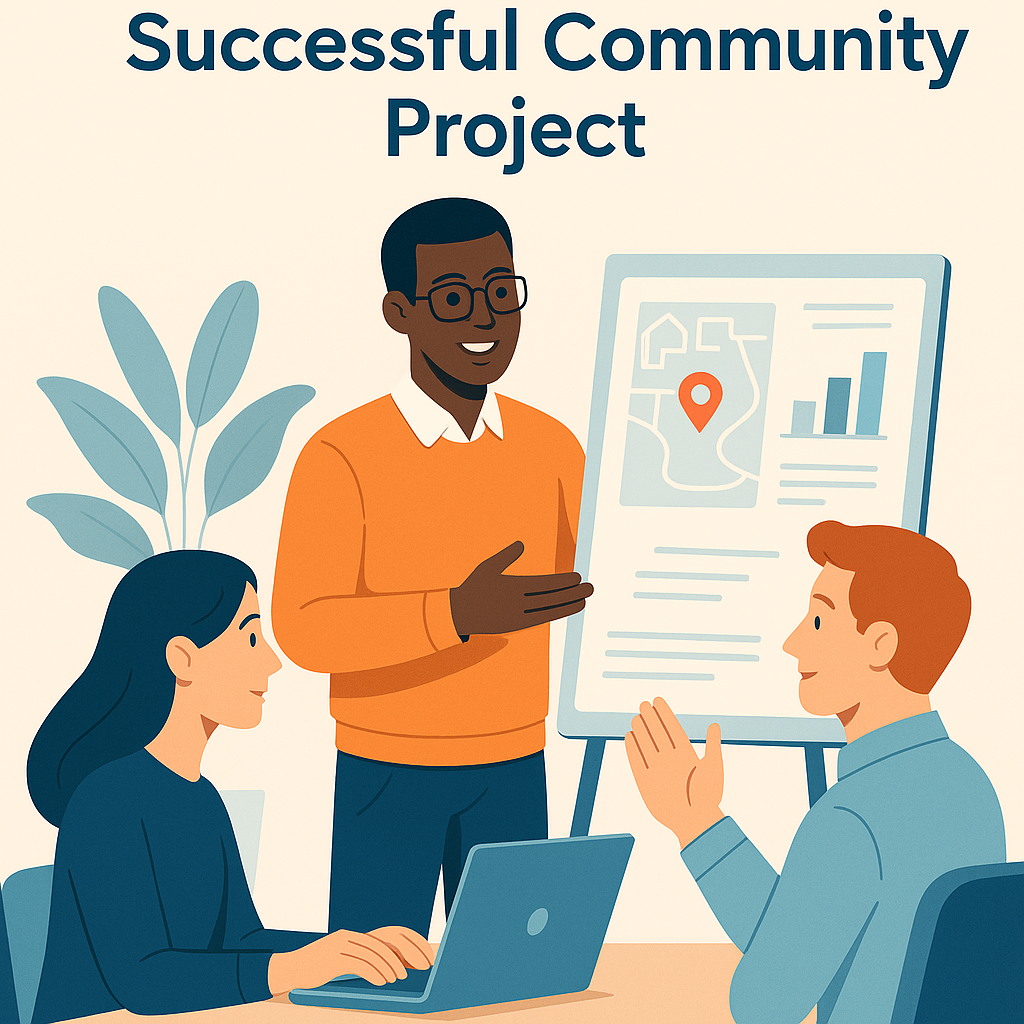
Community projects are powerful initiatives driven by individuals or groups to address specific needs and improve the quality of life within a local area. These projects often revolve around issues such as education, environment, health, and social welfare. They can vary in size and scope, from a neighborhood cleanup campaign to a citywide health awareness drive. Leading a successful community project not only requires meticulous planning and execution but also a keen understanding of community dynamics and the diverse needs of its members.
Engagement in community projects fosters a sense of belonging and encourages active participation among residents. By involving community members, such initiatives harness local knowledge and resources, promoting sustainable change. Additionally, these projects can serve as platforms for developing leadership skills and strengthening social networks. The outcomes are often visible in enhanced community relations, improved infrastructure, and a heightened sense of community pride.
Successfully leading a community project matters not only because it addresses pressing local issues but also because it cultivates a cooperative and engaged community spirit. This guide aims to provide a comprehensive understanding of the essential elements and steps needed to achieve a thriving community project. By exploring practical strategies and real-world examples, you’ll gain insights that can be applied to your current or future community endeavors, ultimately resulting in meaningful and long-lasting benefits.
Planning and Setting Clear Objectives
The foundation of any successful community project lies in thorough planning and the establishment of clear, achievable objectives. A well-structured plan acts as a roadmap, guiding the project from inception to completion, while clearly defined objectives provide a sense of direction and purpose. Begin by assessing the needs of your community through surveys, focus groups, and discussions with stakeholders. This helps in identifying priority areas that require intervention, ensuring the project’s relevance and impact.
Real-world Example: Consider the example of a community garden project initiated in a suburban neighborhood. The residents identified a lack of green spaces and fresh produce as pressing issues. By focusing on these needs, the project leaders set clear objectives: to create a community garden that would provide fresh produce, enhance green spaces, and promote sustainable gardening practices. The clear objectives enabled the project team to allocate resources effectively and measure progress against the set goals.
In addition to setting objectives, it is crucial to develop a realistic timeline and budget. This involves determining the resources needed—such as materials, volunteers, and funding—and ensuring they align with the project’s scale and scope. An organized approach to planning facilitates efficient resource allocation and minimizes potential setbacks during the project’s implementation phase.
Engaging Stakeholders and Building a Strong Team
The success of a community project heavily relies on the active involvement of stakeholders and the strength of the team leading the project. Stakeholders include anyone who has an interest in the project’s outcome, such as local residents, businesses, government officials, and community organizations. Engaging stakeholders from the outset ensures that the project addresses their needs and concerns, increasing buy-in and support.
Real-world Example: A neighborhood safety initiative was launched in an urban community plagued by increasing crime rates. The project leaders organized meetings with local law enforcement, resident associations, schools, and business owners to discuss the project’s goals and solicit input. By involving these stakeholders early on, the team fostered a sense of shared responsibility and harnessed diverse perspectives to shape effective safety strategies.
Building a strong project team is equally crucial. A successful team brings together individuals with complementary skills, diverse backgrounds, and a shared passion for the project’s objectives. When assembling the team, consider roles such as project manager, volunteer coordinator, communications specialist, and financial advisor. Regular team meetings and open communication channels help maintain alignment and address challenges collaboratively as they arise.
Executing the Project with Effective Communication and Participation
Executing the project involves putting the plan into action while ensuring effective communication and active participation throughout the process. Clear communication is essential for keeping all stakeholders informed and engaged, maintaining transparency, and fostering trust. Utilize various communication channels, such as social media, newsletters, and community meetings, to disseminate updates and gather feedback.
Real-world Example: A coastal community embarked on a beach cleanup project aimed at preserving their local shoreline. The project leaders used social media platforms to communicate cleanup schedules, progress updates, and results. They also encouraged community members to share their experiences and photos from the cleanup events, boosting participation and generating a sense of collective achievement.
Active participation by community members is vital for the project’s success. Encourage volunteering by highlighting the personal and community benefits of contributing time and effort to the initiative. Recognize and appreciate volunteers for their contributions, as this fosters a positive and supportive project environment. Furthermore, adapt to feedback and be flexible in adjusting the project plan to address emerging challenges or opportunities.
Assessing Impact and Celebrating Success
Evaluating the impact of the community project is a crucial step to understand its effectiveness and identify areas for improvement. Establish metrics and indicators to measure the project’s success against its objectives. These metrics can include quantifiable results, such as the number of beneficiaries reached, environmental improvements achieved, or community engagement levels.
Real-world Example: A literacy improvement project aimed at increasing literacy rates among children in a rural area utilized standardized reading assessments to measure progress. By comparing pre-and post-intervention scores, the project leaders were able to demonstrate tangible improvements in literacy skills. Additionally, they conducted surveys with participants and parents to gather qualitative feedback on the program’s impact.
Celebrating the project’s successes helps reinforce community engagement and motivates continued involvement. Organize community events or recognition ceremonies to honor the contributions of volunteers, stakeholders, and participants. Highlighting success stories through local media, newsletters, or social media can also inspire other communities to embark on similar projects, spreading the positive impact further afield.
| Phase | Key Actions | Tools/Methods |
|---|---|---|
| Planning | Identify needs, set objectives | Surveys, focus groups |
| Engagement | Involve stakeholders, build team | Meetings, discussions |
| Execution | Communicate, encourage participation | Social media, newsletters |
| Assessment | Measure impact, celebrate success | Surveys, metrics, events |
Conclusion: Empowering Communities through Effective Project Leadership
In summary, leading a successful community project requires a combination of strategic planning, stakeholder engagement, effective execution, and impact assessment. By setting clear objectives, building a strong and diverse team, and maintaining open communication channels, community projects can achieve meaningful progress and address pressing local issues. Celebrating successes and recognizing contributions further strengthens community ties and encourages ongoing involvement.
The main benefit to the reader is the empowerment to lead community initiatives that foster positive change and improve the quality of life for all residents. By applying the strategies and insights outlined in this guide, you will be well-equipped to tackle community challenges and lead projects to success. Remember, the ripple effects of your efforts can inspire future projects that continue to make a difference.
As a next step, consider conducting a needs assessment within your community to identify potential projects. Engage with stakeholders, assemble a passionate team, and embark on the rewarding journey of community project leadership. Your commitment and dedication can create lasting change and empower others to take action.
Frequently Asked Questions
1. What are the initial steps to take when starting a community project?
The first step in launching a community project is to thoroughly understand the specific needs of the community. This involves undertaking a needs assessment, which can include surveys, interviews, and community meetings to gather input from local residents. It’s crucial to identify the core issues and establish a clear, achievable goal. Once the need is identified and the goal is set, you’ll want to gather a team of motivated volunteers or partners who are passionate about the cause. Next, draft a detailed project plan outlining the objectives, necessary resources, roles and responsibilities, and a timeline for each stage of the project. Ensure your plan is flexible to accommodate any unforeseen changes that may arise. Securing funding or sponsorship may also be an essential part of the initial planning steps, depending on the scope and nature of your project. Consider reaching out to local businesses, charitable organizations, or even leveraging crowdfunding platforms to gather the necessary financial support.
2. How do you effectively engage the community in your project?
Community engagement is a cornerstone for a successful project. Start by creating awareness about the project through various channels such as social media, local newspapers, community boards, and flyers. Hosting informational meetings and forums can be instrumental in rallying support, addressing questions, and collecting feedback from community members. Building relationships and partnerships with local leaders, organizations, and influencers can help amplify your reach and legitimacy. It’s important to foster a sense of ownership among community members by actively involving them in planning and decision-making processes. Encourage participation by highlighting how the project will improve their quality of life. Interactive activities like workshops or open discussions can be particularly effective. Regularly update the community on progress, celebrate milestones, and demonstrate transparency in your operations to maintain trust and enthusiasm.
3. What resources are essential for a community project, and how can they be acquired?
Essential resources for a community project typically include time, manpower, financial support, materials, and expertise. Start by mapping out the specific needs of the project to identify the type and amount of each resource required. Manpower can often be found within the community through volunteers, but it’s also beneficial to connect with local schools, clubs, or businesses for additional support. Financial resources might come from grants, donations, sponsorships, or fundraising events. Leveraging existing community assets like public spaces or volunteer skills can reduce costs and enhance the project’s scope. For materials and equipment, consider partnerships with local businesses or donations from larger companies. Don’t underestimate the potential of pro bono professional services, such as legal or marketing expertise, which can be sourced through networks or online platforms dedicated to connecting volunteers with non-profit causes.
4. How do you manage challenges and obstacles during the project?
Challenges are inevitable, but how they are managed can define the success of your project. Begin with a risk management strategy in your planning phase, identifying potential challenges and discussing possible solutions with your team. Maintain open lines of communication with your team and the community, addressing issues as they arise rather than letting them fester. Flexibility and adaptability are key; be prepared to revise strategies or plans when necessary. If a particular approach isn’t working, consult with team members or stakeholders to brainstorm alternatives. This inclusive approach not only helps resolve issues but also strengthens the commitment and creativity of your team. Regular reflection and feedback loops let the team learn from obstacles, turning them into opportunities for growth and innovation. Document these experiences and solutions to build a knowledge base for future projects.
5. How do you measure the success of a community project?
A successful community project is typically measured by both quantitative and qualitative outcomes. At the outset, establish clear, measurable objectives with specific targets and timelines. For example, if your project is centered around environmental cleanup, quantify success by the amount of waste collected or an increase in community participation levels. For qualitative measures, gather testimonials or conduct follow-up surveys to assess the community’s satisfaction and any perceived changes in quality of life. Tracking progress through regular updates and reviews can help ensure the project remains on track to meet its goals. Engage with community partners to gather feedback and assess if the project has met their needs and expectations. Finally, a successful project often leads to a sustainable impact, sparking further community involvement or initiatives, which can be considered a significant achievement beyond just the immediate outcomes. Celebrate these successes publicly to highlight the project’s impact and inspire others to initiate or join future endeavors.