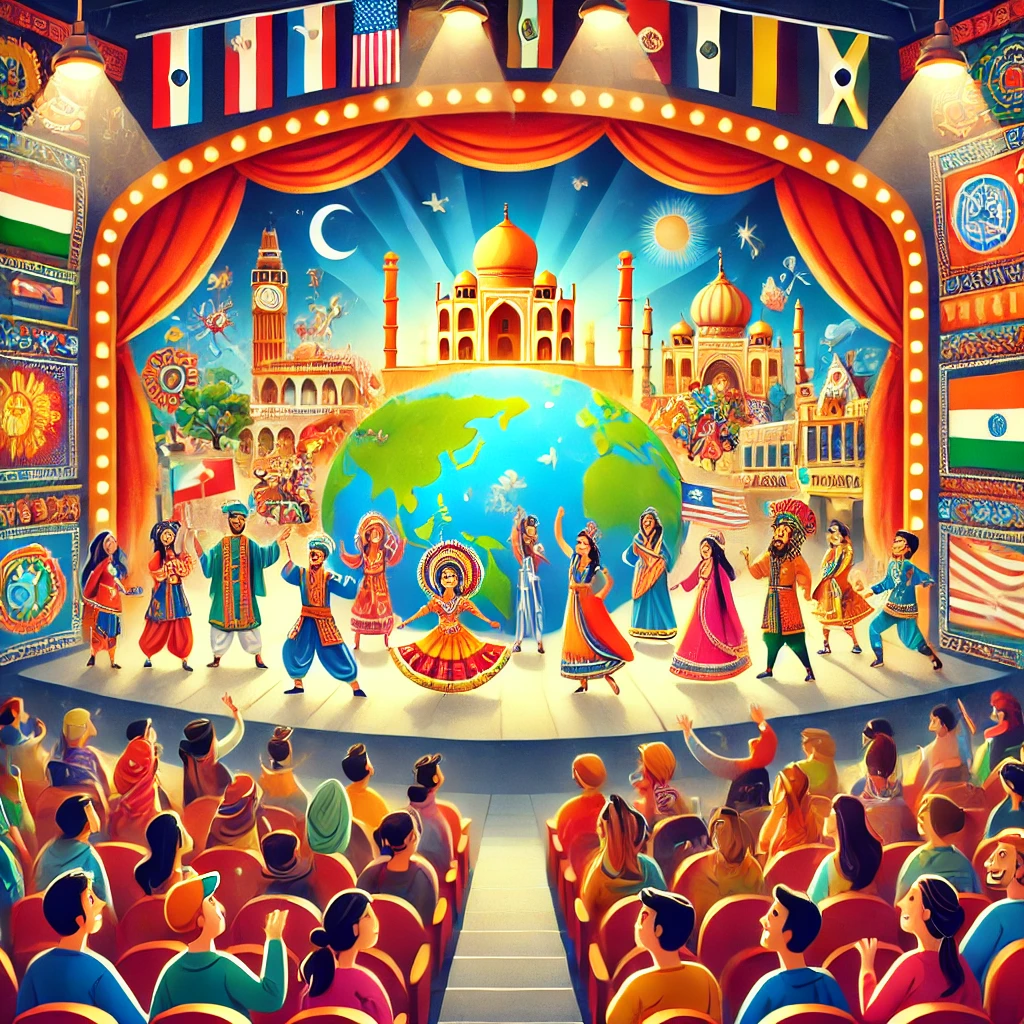
English has emerged as a dominant language in countless spheres, including business, technology, and entertainment. One area where its influence is particularly profound is global theater productions. Theaters worldwide have embraced the English language not merely as a tool for communication but as a medium that enhances the art form. Whether it’s classic Shakespearean plays or contemporary musicals like “Les Misérables,” English theater has a rich history and far-reaching impact. Understanding the influence of English in global theater allows us to appreciate its role in shaping cultural narratives and connecting audiences across linguistic boundaries.
The origins of English theater can be traced back to medieval England, with the earliest known plays staged in churches. These religious dramas evolved, with secular themes emerging during the Renaissance. The Elizabethan era, particularly through the works of William Shakespeare, solidified English theater as a storied tradition that transcended British borders. Today, the influence of English in theater can be seen in productions staged in non-English-speaking countries and adaptations of English-language works into local dialects.
From an educational standpoint, theater provides a unique, immersive experience for learning English. Students and actors engage deeply with the language, enhancing vocabulary, honing pronunciation, and understanding cultural nuances. This article examines the far-reaching influence of English on global theater productions, highlighting its role in performance, education, and cultural exchange.
The Historical Influence of English Theater
One cannot discuss the influence of English in global theater without acknowledging its historical roots. The contributions of playwrights like William Shakespeare, Christopher Marlowe, and later, George Bernard Shaw and Oscar Wilde have cemented English theater as a cornerstone of global literature and performing arts. Shakespeare’s works, in particular, have been translated into numerous languages and are performed worldwide, underscoring the timeless and universal appeal of his stories.
Renaissance England became a hub of theatrical innovation, with the Globe Theatre in London serving as a cultural landmark. English theater during this period emphasized complex characters, poetic dialogue, and themes that traversed human experience, from love and ambition to betrayal and redemption. These elements resonated with audiences far beyond England and led to an enduring global influence.
As British colonialism spread across the globe, so did its cultural products, including theater. English-language plays were performed in colonial outposts, blending with local traditions and fostering a hybrid culture of performance. The impact of English theater continued to grow, as these intercultural exchanges enriched theatrical forms and narratives around the world.
The Role of English in Contemporary Global Theater
In contemporary global theater, English continues to serve as a lingua franca, enabling collaboration and exchange across borders. English-language theater festivals such as the Edinburgh Festival Fringe, the world’s largest arts festival, attract performers and audiences from around the globe. These events showcase a myriad of plays, from cutting-edge dramas to comedic performances, illustrating the versatility of English in conveying diverse stories.
Additionally, English-language theater companies often tour internationally, bringing their productions to non-English-speaking countries. These performances are frequently met with enthusiastic receptions, illustrating the universal appeal of English theater. The success of productions such as “The Phantom of the Opera,” “Cats,” and “Hamilton” highlights the global reach of English-language musicals.
Globalization has further reinforced the significance of English in theater. As the world becomes increasingly interconnected, the ability to communicate and share cultural expressions through a common language is invaluable. English serves as a bridge, connecting performers and audiences, fostering cross-cultural understanding, and expanding the reach of theatrical productions.

English Theater as an Educational Tool
Theater, when used as an educational tool, offers an engaging and dynamic approach to learning English. Whether through school drama clubs, community theater groups, or formal education programs, students can immerse themselves in the language in ways that traditional classroom settings may not provide. Acting out scenes, memorizing dialogues, and participating in performances enable learners to practice English in a contextual and interactive manner.
English as a Second Language (ESL) programs often incorporate theater techniques to enhance language acquisition. Role-playing exercises, improvisation, and script reading help students develop fluency, improve pronunciation, and build confidence in using English. Additionally, studying English-language plays allows learners to explore cultural contexts, idiomatic expressions, and stylistic nuances that enrich their understanding of the language.
Moreover, theater fosters a sense of community and collaboration among learners. Working together on a production fosters teamwork, enhances communication skills, and provides opportunities for peer learning. The immersive nature of theater also encourages learners to think critically and creatively, making it a valuable educational tool for language development.
Case Studies: English Theater’s Global Impact
Several case studies highlight the global impact of English theater. In Japan, for instance, Shakespeare’s plays have been adapted into traditional Kabuki and Noh theater styles, merging Western and Eastern theatrical elements. These adaptations showcase the versatility of Shakespeare’s works and their resonance with different cultural contexts.
In India, English theater flourished during the British colonial period and continues to thrive in contemporary times. Indian theater groups often stage English-language productions, blending local cultural elements with Western narratives. The annual Shakespeare Festival in India attracts performers and audiences from across the country, celebrating the enduring influence of English theater.
In Africa, English theater has played a significant role in social and political movements. Playwrights such as Wole Soyinka and Ngũgĩ wa Thiong’o have used English-language theater to address themes of colonialism, identity, and resistance. Their works have had a profound impact on global theater, highlighting the power of English as a medium for social and cultural critique.
These case studies illustrate the diverse ways in which English theater is embraced and interpreted around the world. From traditional adaptations to contemporary performances, the influence of English on global theater productions is undeniable.
The Future of English in Global Theater
As we look to the future, the role of English in global theater is likely to continue evolving. The rise of digital technology and virtual platforms offers new opportunities for English-language theater to reach even wider audiences. Online streaming services, virtual performances, and global collaborations enable theater productions to transcend geographical boundaries, making English theater accessible to a broader demographic.
Furthermore, the increasing emphasis on diversity and inclusion in the arts will shape the future of English-language theater. As more voices and perspectives are represented on stage, English theater will continue to evolve, reflecting the diverse experiences and stories of a global audience. This inclusivity enhances the richness of English theater and its ability to connect with people from all walks of life.
Additionally, the integration of technology in theater productions opens up new creative possibilities. Innovations such as augmented reality, virtual reality, and interactive theater experiences will transform how audiences engage with English-language plays. These advancements will shape the future of theater, making it a dynamic and ever-evolving art form.
The future of English in global theater is bright, with endless possibilities for creativity, collaboration, and cultural exchange. As the world becomes more interconnected, the influence of English in theater will continue to grow, enriching the global arts landscape.
Conclusion
The influence of English on global theater productions is vast and multifaceted. From its historical roots in Renaissance England to its contemporary role as a global lingua franca, English theater has left an indelible mark on the performing arts. Through educational initiatives, cultural exchanges, and international collaborations, English continues to shape the way stories are told and experienced on stage.
Theater, as an educational tool, offers a powerful means of language acquisition, providing learners with immersive and interactive experiences. The global impact of English theater can be seen in its adaptations, performances, and cultural integration in diverse regions around the world.
As we look to the future, the role of English in global theater will continue to evolve, driven by technological advancements and a growing emphasis on diversity and inclusion. The power of English theater lies in its ability to connect people, foster cross-cultural understanding, and inspire creativity.
In celebrating the influence of English on global theater productions, we recognize the importance of language as a bridge that connects us all. Whether through historical masterpieces or contemporary innovations, English theater will undoubtedly continue to captivate, educate, and inspire audiences worldwide.