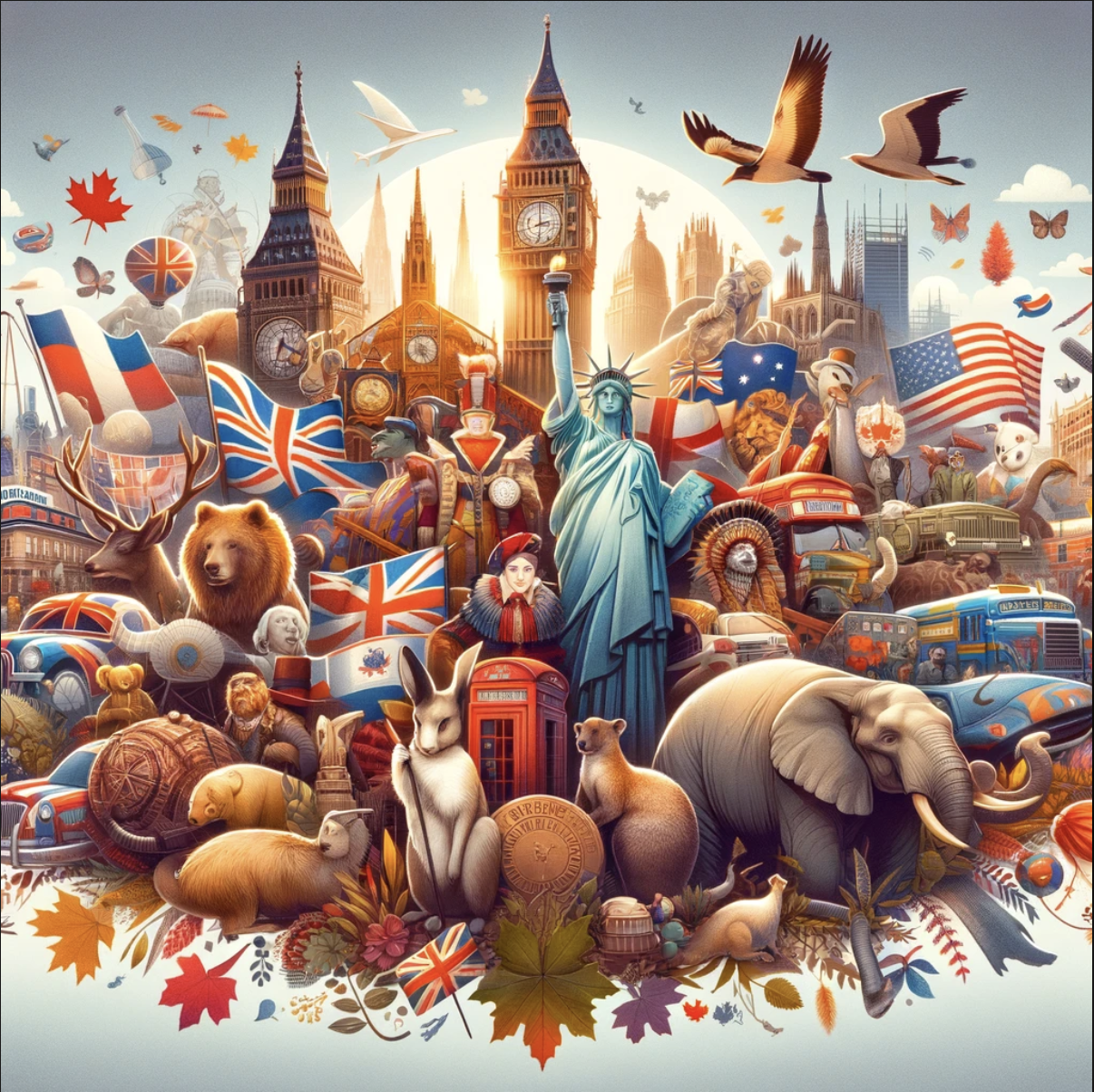
Traditions are an integral part of any culture, reflecting values, beliefs, and customs passed down through generations. In English-speaking countries, these traditions are notably diverse, stemming from a rich tapestry of history and influence from various cultures. Exploring these traditions is not only fascinating for those interested in cultural studies, but it also provides valuable insights into the customs and societal norms that shape the lives of millions of people. Understanding these traditions fosters greater appreciation, tolerance, and connection with others, both for native speakers and learners of English alike.
As we delve into the traditions of English-speaking countries, we will focus on holidays, culinary customs, and social etiquette. Each of these areas provides a window into the respective cultural contexts, helping us see beyond the surface of language to the deeper societal elements that contribute to cultural identity. This exploration will unveil why these cherished customs continue to hold relevance and how they bring communities together, providing continuity and a sense of belonging.
Holidays and Celebrations
Holidays and celebrations play a vital role in expressing cultural identity and bringing communities together in English-speaking countries. In the United States, for example, Thanksgiving is a national holiday that embodies gratitude, community, and the sharing of abundance. Celebrated on the fourth Thursday of November, this tradition began in the early 17th century and has evolved to symbolize unity and national gratitude. Families and friends gather for a meal featuring turkey, stuffing, and various side dishes, sharing memories and thanks for their blessings.
In contrast, the United Kingdom celebrates Bonfire Night, also known as Guy Fawkes Night, every November 5th. This event commemorates the foiling of the Gunpowder Plot of 1605, where conspirators attempted to blow up the Houses of Parliament. Today’s celebrations are marked by fireworks, bonfires, and the burning of effigies, including that of Guy Fawkes. This night serves as a reminder of political history and is celebrated with much enthusiasm across the UK, often with family-friendly events and gatherings.
Both Thanksgiving and Bonfire Night illustrate the importance of remembrance and gratitude in cultural traditions, allowing people to connect with history while celebrating shared values.
Culinary Customs
Culinary traditions provide a gastronomic lens into the values and histories of English-speaking cultures. In Australia, the “barbie” is more than a style of grilling; it is a beloved tradition that emphasizes social interaction and enjoyment of the outdoors. Typically enjoyed during the warmer months, Australians gather to barbeque meats like lamb, beef, and sausages, often accompanied by prawns, colloquially dubbed “shrimp.” These gatherings often take place in backyards, parks, or beaches, reflecting the Australian affinity for nature and hospitality.
In Canada, culinary traditions reflect the country’s multicultural heritage, prominently featuring the world-famous dish, poutine. Originating from Quebec in the 1950s, poutine consists of French fries topped with cheese curds and smothered in gravy. This hearty meal has become an iconic symbol of Canadian cuisine, representing the melding of French and other cultural influences present within Canada. The dish is enjoyed in a range of settings, from street vendors to high-end restaurants, and is often shared among friends or family, providing a cozy, communal dining experience.
Social Etiquette and Values
Social etiquette reflects the societal values and norms within a culture, guiding interactions and communication. In English-speaking countries, politeness, respect, and friendliness are regarded highly, shaping social customs and behavior. For instance, in the United States and Canada, making direct eye contact during conversation is seen as a sign of attentiveness and respect, whereas in other cultures, it may be interpreted differently. Understanding these nuances is essential for navigating cultural landscapes effectively.
In the United Kingdom, the concept of “queueing” is deeply embedded in social conduct. The British are known for their orderly and patient queuing, whether at a bus stop, in shops, or while waiting for services. This practice reflects a broader cultural value of fairness and respect for others, reinforcing a sense of community orderliness and patience.
- Politeness: Using phrases such as “please” and “thank you” frequently.
- Punctuality: Promptness is appreciated in both social and professional gatherings.
- Informality: In countries like Australia and New Zealand, a more relaxed and informal manner is often embraced in social settings.
- Individualism: Many English-speaking cultures value personal autonomy and freedom of expression.
The understanding and adherence to these social etiquettes foster smoother interactions and demonstrate respect and awareness of cultural identities.
Conclusion and Next Steps
Exploring the traditions of English-speaking countries reveals a rich tapestry of cultural practices that reflect the diverse histories and values of these nations. From holiday celebrations that bring communities together in gratitude and remembrance, to culinary customs that offer a taste of local heritage, these traditions are central to the social fabric of each culture. Understanding social etiquette further enriches our appreciation of how values like politeness, respect, and hospitality influence everyday interactions.
For those seeking to deepen their understanding of these cultural practices, consider immersing yourself further by participating in local celebrations, experimenting with traditional recipes, or even engaging with native speakers to learn firsthand about their customs and perspectives. These experiences offer an enriched viewpoint of the world through the lens of culture, promoting goodwill and connection in our increasingly globalized society.
As we celebrate the diversity within English-speaking countries, let us take these opportunities to broaden our horizons and foster meaningful connections with those around us. Whether through learning, travel, or engagement with cultural events, each step enriches our understanding of the vibrant traditions that define English-speaking cultures.
Frequently Asked Questions
1. What are some common holiday traditions in English-speaking countries?
English-speaking countries have a variety of unique and cherished holiday traditions. For instance, in the United States, Thanksgiving is a major holiday where family and friends gather to share a feast that traditionally includes turkey, stuffing, and pumpkin pie. It’s a time for expressing gratitude and celebrating the fall harvest. The history of Thanksgiving dates back to the early 17th century with the Pilgrims.
In the United Kingdom, Christmas traditions are celebrated with great enthusiasm. The festivities include decorating Christmas trees, exchanging gifts, and eating a special meal that often involves roast turkey or goose, and the famous Christmas pudding for dessert. Many British families also enjoy pulling Christmas crackers that reveal a small toy, a paper hat, and a joke.
Australia and New Zealand bring their unique flavors to the holiday season with summertime Christmas celebrations. It’s not uncommon for Australians to host barbecues on the beach. Australians also celebrate Australia Day with fireworks, parades, and concerts, recognizing the arrival of the First Fleet in 1788.
2. How do English-speaking countries celebrate national milestones or historical events?
Celebrations of national milestones and historical events can vary greatly across English-speaking countries, each having its unique way of honoring history and heritage. In the United States, the Fourth of July marks Independence Day, celebrating the nation’s declaration of independence from Britain in 1776. The day is replete with fireworks, parades, concerts, and barbecues, reflecting American pride and patriotism.
The United Kingdom has a different take, with annual celebrations such as Guy Fawkes Night on November 5th, commemorating the failure of the Gunpowder Plot of 1605. People gather around bonfires and enjoy fireworks while often recalling the history with an effigy of Guy Fawkes.
In Canada, Canada Day on July 1st commemorates the confederation of the country in 1867. It’s a day filled with spectacular fireworks, music, and parades, as Canadians across provinces celebrate with pride. It’s akin to the Fourth of July for Americans, focusing on national identity and unity.
3. What role do traditional foods play in the cultural identity of English-speaking countries?
Traditional foods are fundamental to the cultural identity of English-speaking countries, serving as a bridge to the past and a cornerstone of communal gatherings. In Ireland, for example, traditional fare like Irish stew and soda bread speaks volumes about the nation’s agrarian history and resourceful use of local produce.
The United States is known for its culinary melting pot, reflecting the diverse cultural influences of its immigrant populations. From hot dogs at baseball games to apple pie on holidays, American food traditions play a significant role in cultural identity and social interactions.
Across the pond, the UK showcases dishes like fish and chips and Sunday roast, which have become emblematic of British culinary tradition. Each meal tradition carries a narrative of the people, linking the present to the historical stories of survival, prosperity, and cultural formation.
4. Are there any unique wedding or marriage traditions in English-speaking countries?
Weddings in English-speaking countries are steeped in tradition, often blending customary practices with contemporary twists. In the United Kingdom, the saying “something old, something new, something borrowed, something blue” is a popular tradition that’s followed by many brides, and it symbolizes good fortune and fidelity.
In Australia, the traditional Indigenous “smoking ceremony,” while not universally practiced, is a fascinating blend of cultural heritage in modern ceremonies. Couples there might also blend European cultural elements with a unique Australian twist like outdoor receptions in scenic vineyards or stunning beaches.
Across the United States, traditional weddings might feature a classic church ceremony followed by a reception in a grand hall or an outdoor venue, highlighting the couple’s personal stories and cultural heritage. Traditions might vary widely, influenced by personal and familial roots including various cultural, religious, and regional customs neat Kathak Indian wedding dances or African-American “jumping the broom” in homage to ancestry and heritage.
5. How do English-speaking countries incorporate traditions into modern-day celebrations?
Incorporating traditions into modern-day celebrations in English-speaking countries often involves a harmonious blend of the old and the new, allowing for a fresh take on time-honored practices. In the United States, for instance, Halloween is a tradition deeply rooted in ancient harvest festivals. Today, it has evolved into a major commercial and cultural event with modern additions like haunted houses and elaborate costume parties alongside traditional pumpkin carving and trick-or-treating.
In Canada, the tradition of Boxing Day, observed the day after Christmas, has transformed from a day of charity to one of nationwide sales and discounts, giving it a modern consumerist flair while fundamentally retaining its intent of giving back.
In the UK, the tradition of afternoon tea has undergone a modern revival. Once a daily social ritual, it’s now experienced in chic tea rooms and luxurious hotels, offering a nostalgic homage to the past while serving the dynamic lifestyle of today’s society. Modernization in these traditions ensures that they remain relevant and cherished, adapting to the lifestyles of each generation while retaining their cultural significance.